The National Park Service spotlights Olympic National Park for its dual role during World War II: a strategic coastal watchpoint and a globally significant natural reserve. In 1942 the Army and Coast Guard installed 13 Aircraft Warning Service stations—some staffed by park rangers and operated year-round despite brutal conditions—until the program ended in 1944. Two original outposts, Dodger Point and Pyramid Peak, remain hikeable north of Lake Crescent, linking visitors to the park’s wartime history.
WWII on the Edge of America: Olympic National Park’s Strategic Role and Natural Heritage
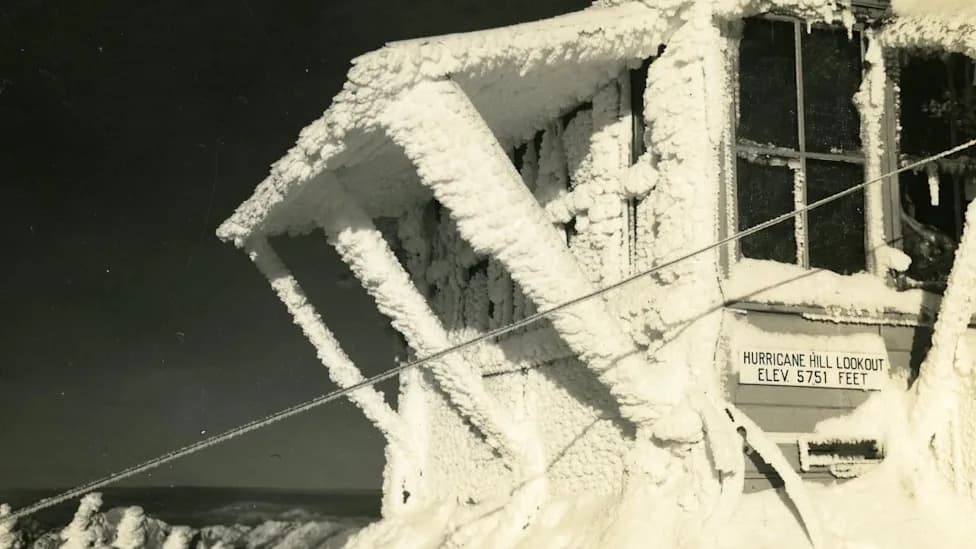
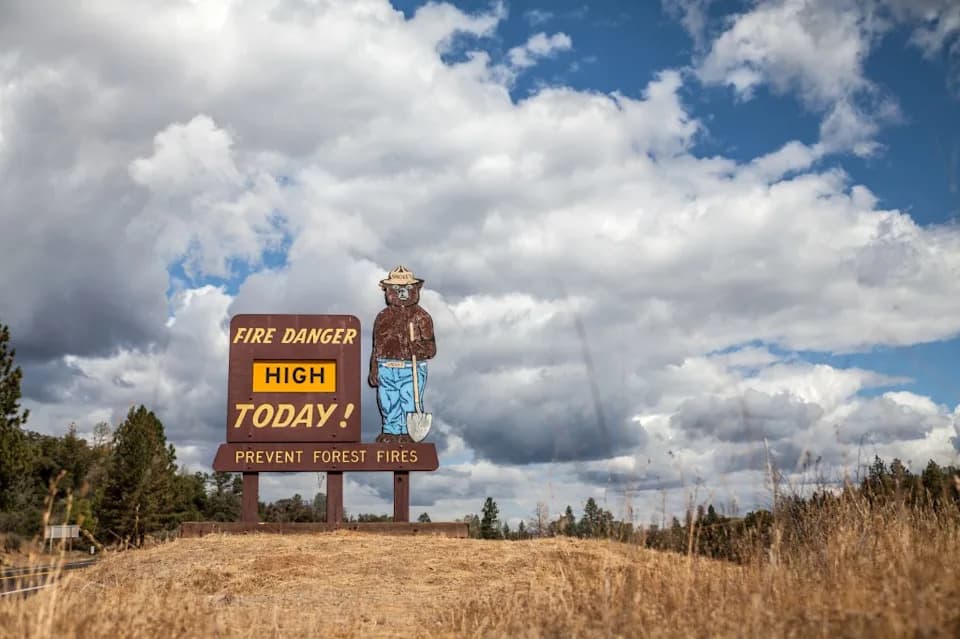
Many of Olympic National Park's fire stands were repurposed as aerial survey outposts during WWII.
The National Park Service is highlighting Olympic National Park in its World War II series, exploring how this remote Pacific peninsula served both as a vital coastal defense point and as a refuge for remarkable natural diversity.
From Monument To Park
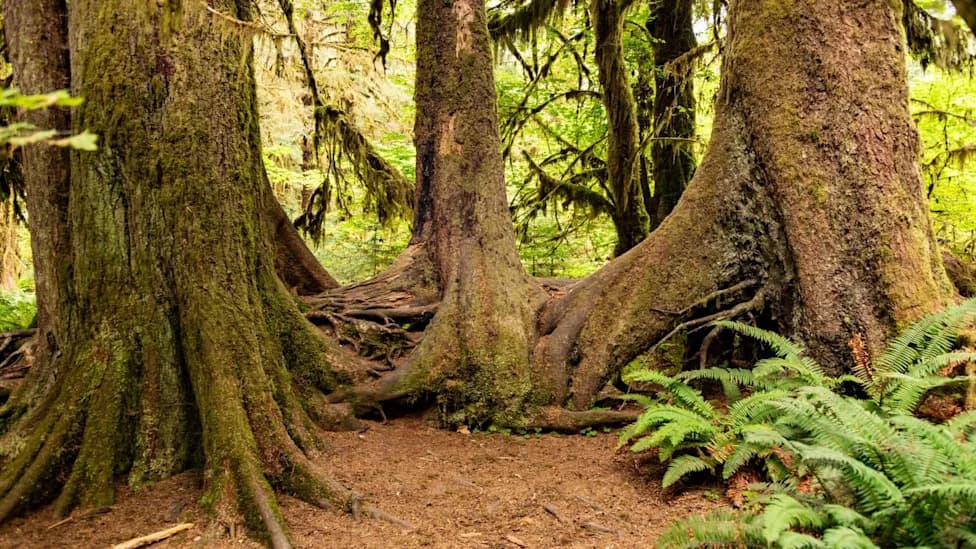
Originally set aside as a national monument by President Theodore Roosevelt in 1909 and redesignated a national park by President Franklin D. Roosevelt in 1938, Olympic National Park protects 922,650 acres in Washington State. The park is also recognized by UNESCO as an International Biosphere Reserve, encompassing temperate rainforests, long Pacific coastline, and high-elevation subalpine forests and meadows.
Strategic Importance During World War II
Because the Olympic Peninsula juts farther west than any other land in the contiguous United States, military planners considered it strategically important and potentially vulnerable. The nearby Strait of Juan de Fuca funnels maritime traffic to and from major ports in Seattle and Tacoma and to the naval base at Bremerton, making the region crucial to coastal defense planning during World War II.
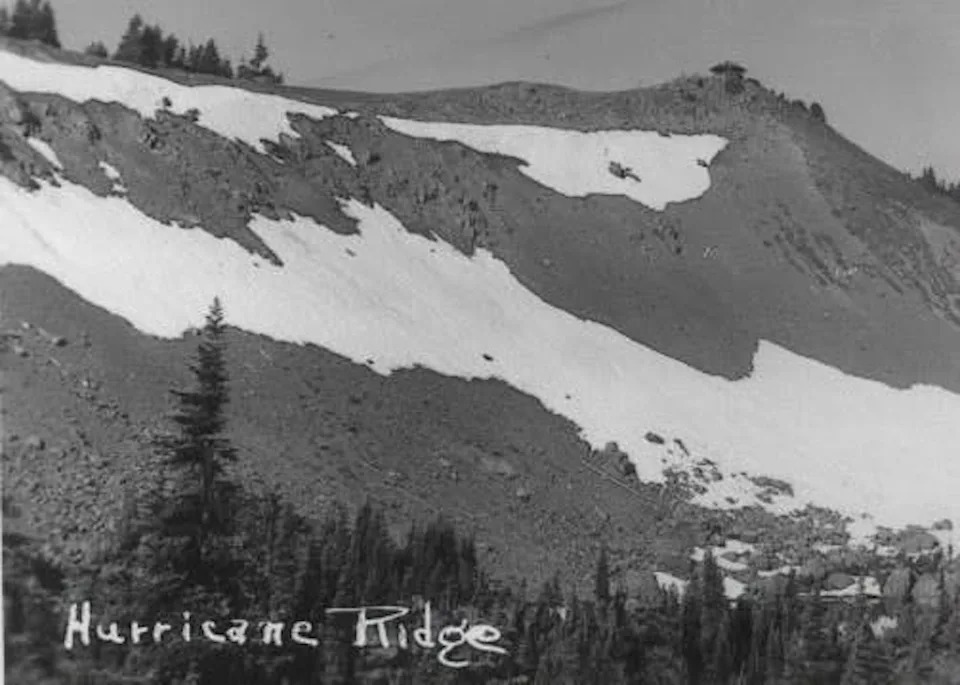
Two of the outposts are still accessible by trail today. Credit: NPS
Aircraft Warning Service Stations
In 1942, Army and Coast Guard engineers installed 13 Aircraft Warning Service (AWS) stations across the park, often converting existing fire lookouts for the purpose. Park rangers helped staff some stations and kept continuous watch of the skies year-round despite fierce winter storms. The AWS program operated through 1944.
Harsh Conditions And Logistical Challenges
The difficulties of maintaining those outposts were well documented by the park superintendent. One resupply mission required a six-person crew to toboggan three miles to Hurricane Lookout over two days. On another occasion, eight workers backpacked six miles into a remote post while carrying 400 pounds of supplies—illustrating the extreme physical and logistical demands of wartime operations in this rugged landscape.
“Stations Remain A Living Link”
Two of the original AWS stations, Dodger Point and Pyramid Peak, still stand and are reachable via a steep trail north of Lake Crescent, giving visitors a tangible connection to the park’s wartime past.
Conservation And Context
While these installations reflect a brief chapter of military urgency, the park’s lasting significance is ecological: isolation on the peninsula has fostered endemic species such as the Olympic marmot (Marmota olympus) and Piper's bellflower (Campanula piperi). The NPS series uses sites like Olympic to show how national parks balanced defense roles with conservation during World War II.
As part of its lead-up to the 85th anniversary of the attack on Pearl Harbor on December 7, the National Park Service is publishing weekly posts that trace America’s World War II experience through national parks, with earlier features including Golden Gate National Recreation Area and Governors Island National Monument.
Help us improve.