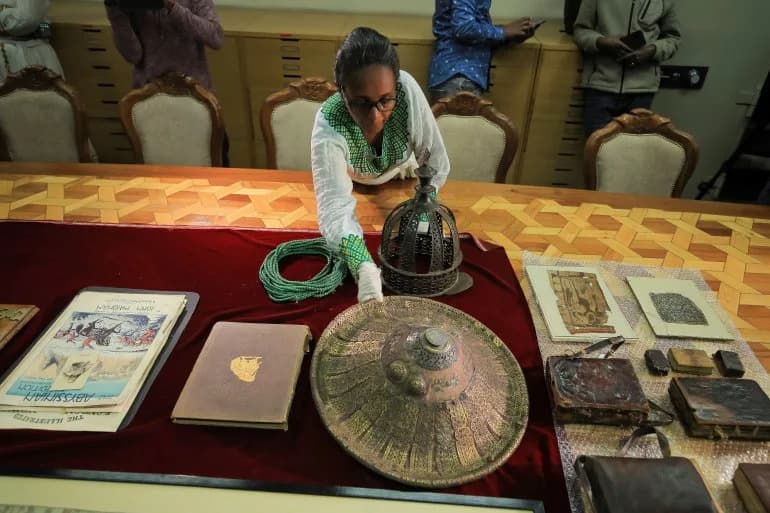
The Pitt Rivers Museum at Oxford will repatriate the remains of 39 members of the Naga community after approving a restitution request from the Forum for Naga Reconciliation. The university approved 39 of 40 requested sets—one lacked clear Naga provenance—and work is under way to arrange a handover ceremony and international transport, which will take at least two months. The move follows past reforms at the museum and forms part of a wider global effort to return colonial-era human remains and cultural objects.
Oxford’s Pitt Rivers Museum to Repatriate Remains of 39 Naga People Removed During British Colonial Rule
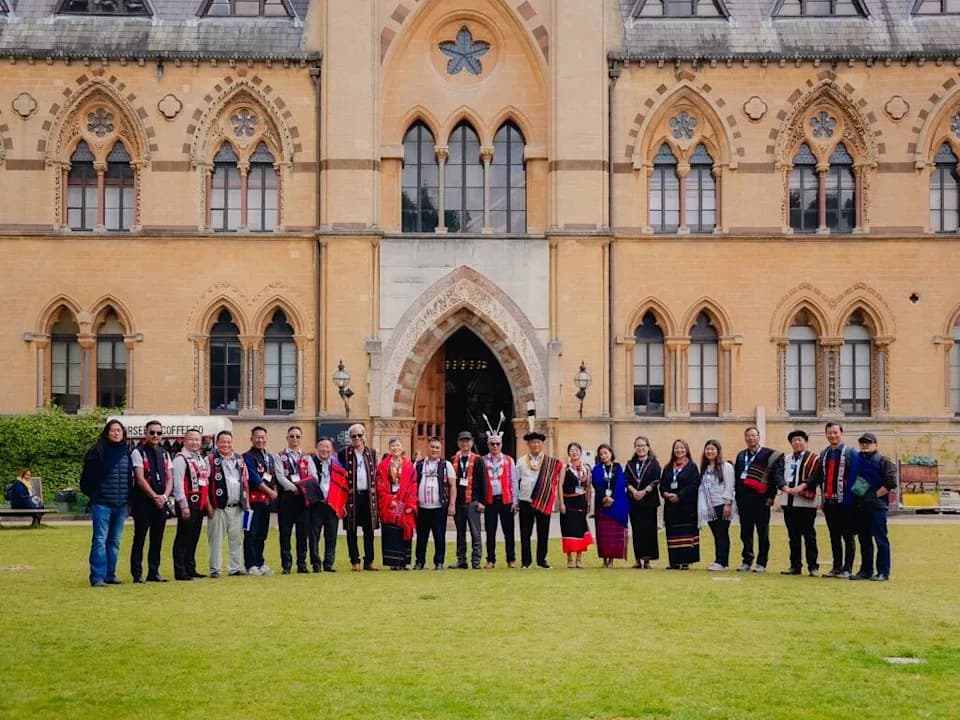
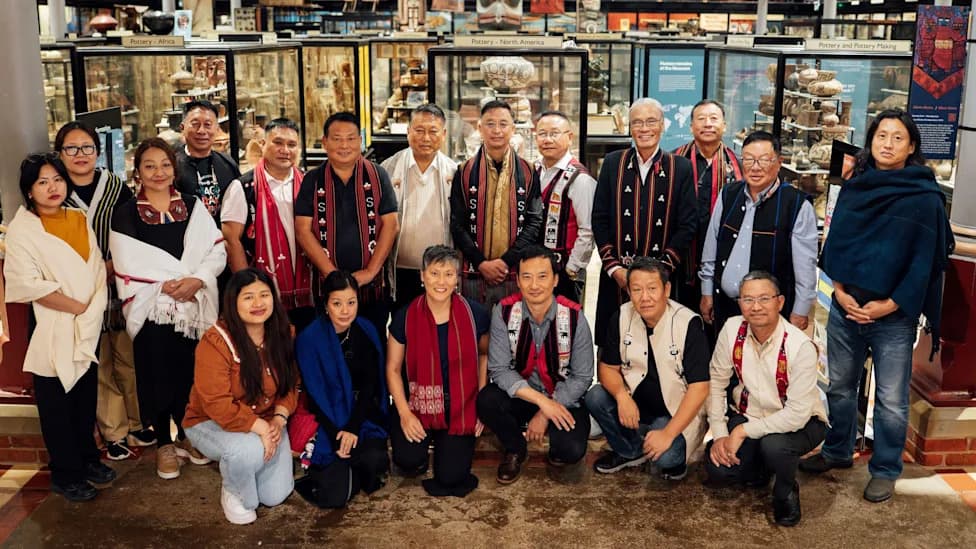
The Naga delegation with the Director and staff of the Pitt Rivers Museum, University of Oxford, in front of the Pitt Rivers Museum on June 9. / Credit: Sanen Kichu
Oxford University’s Pitt Rivers Museum has agreed to return the remains of 39 people taken from the Naga community in northeast India during Britain’s colonial period. The university approved a restitution request from the Forum for Naga Reconciliation (FNR) and partner Naga organisations, and the museum is now preparing the logistics for repatriation.
Decision and Community Response
Museum director Laura Van Broekhoven said the remains "have been away from their homeland for far too long." In a joint statement, the FNR and affiliated Naga groups added that repatriation is about more than bones: it is about restoring memory and cultural connections to their rightful place.
"Repatriation, for the Nagas, is not simply about bones and ancestral remains finding their way back to the land but importantly about memory returning to where it belongs." — Forum for Naga Reconciliation and partner organisations
Which Remains Will Return
The museum said the original request covered 40 sets of human remains. The university approved the return of 39 in July, noting that one set "does not have a clear provenance as Naga." A handover ceremony will be organised at the Pitt Rivers, and a Naga delegation is expected to attend and accompany the remains home.
Logistics and Timing
International transport of ancestral remains requires special approvals, documentation and experienced shipping agents. The museum estimates organising these arrangements will take at least two months. Museum staff say they are working closely with Naga representatives to agree on a date for the formal handover.
Museum Context and Past Reforms
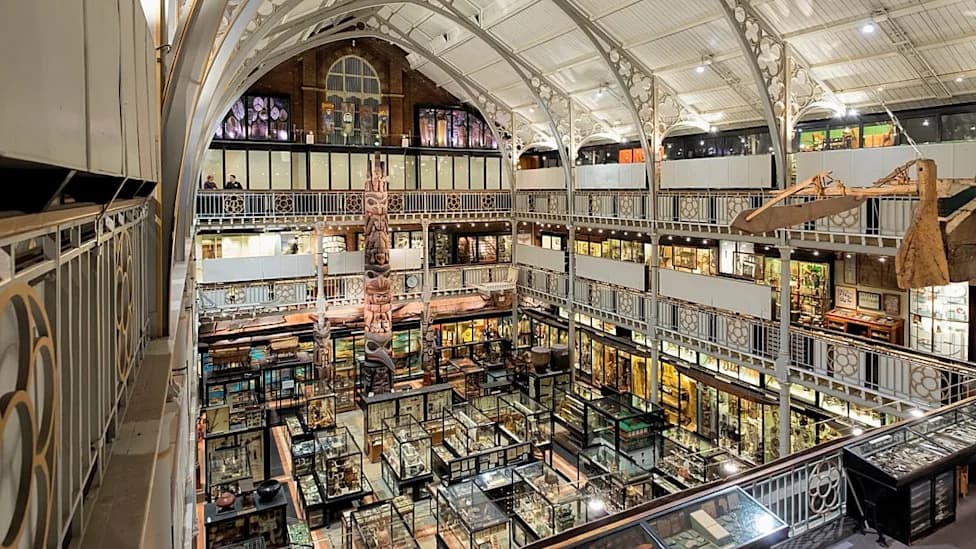
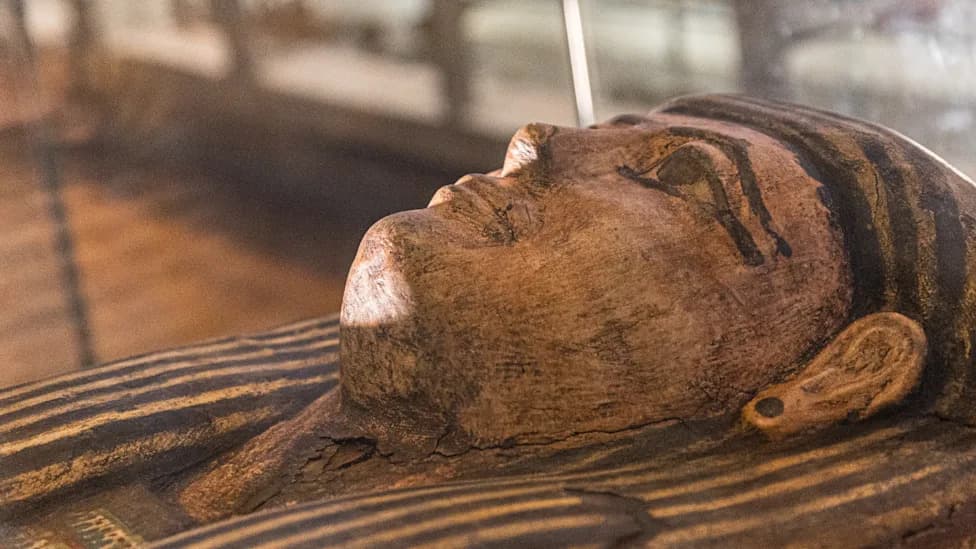
The Pitt Rivers is a major centre for anthropology, ethnology and archaeology and holds more than 6,000 Naga artefacts, with nearly 700 on display. In 2020 the museum removed 120 human remains from public display—including tsantsas (Naga trophy heads) and an Egyptian child mummy—as part of efforts to address racist and stereotypical interpretations and to "decolonise" its collections.
Wider Repatriation Movement
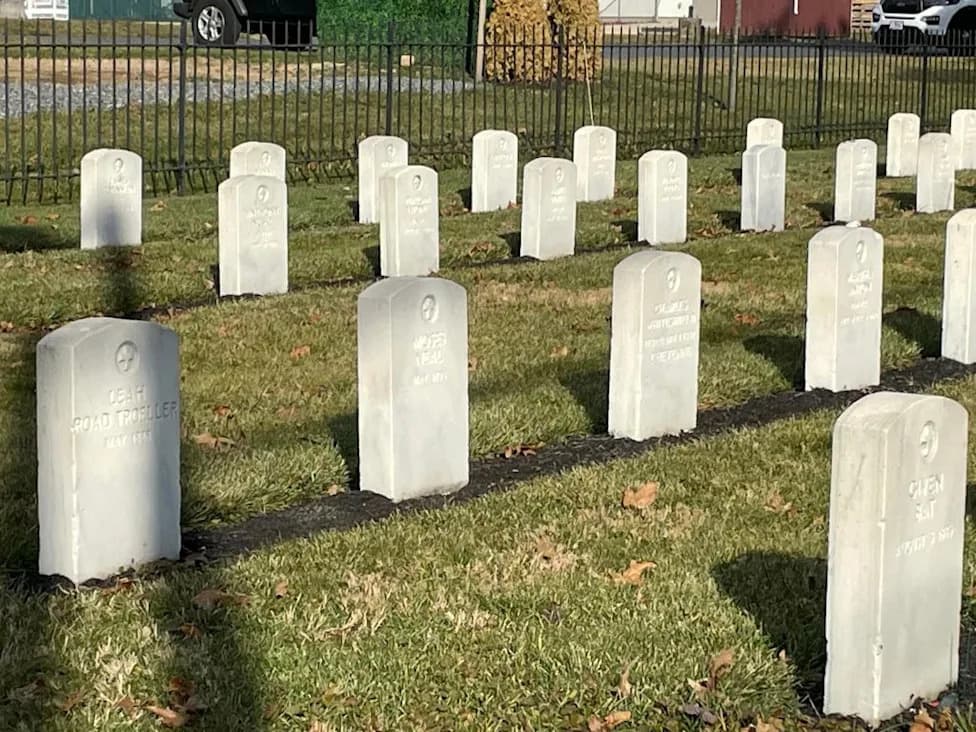
This agreement is part of a broader international movement for museums and universities to return human remains and cultural objects acquired during the colonial era. Earlier this year, the University of Edinburgh returned the skulls of six people to the Muscogee (Creek) Nation in the United States. In 2022, London’s Horniman Museum returned 72 objects to Nigeria, including 12 Benin bronzes. Longstanding disputes such as Greece’s request for the Parthenon Marbles remain unresolved at national and institutional levels.
Next steps: The museum and Naga representatives will finalise a handover date and complete required transport approvals before the remains are returned to their homeland.
Help us improve.