Oxford University's Pitt Rivers Museum will repatriate the remains of 39 Naga ancestors to northeast India after a formal claim made in February 2026. The university agreed in July to return 39 of 40 claimed sets; one was excluded for unclear provenance. The museum removed human remains from display in 2020 and says it has worked closely with Naga partners to arrange a handover ceremony. Museum officials and Naga organisations describe the repatriation as an important step in restoring memory and addressing colonial-era injustices.
Oxford's Pitt Rivers Museum to Return 39 Naga Ancestors to Northeast India
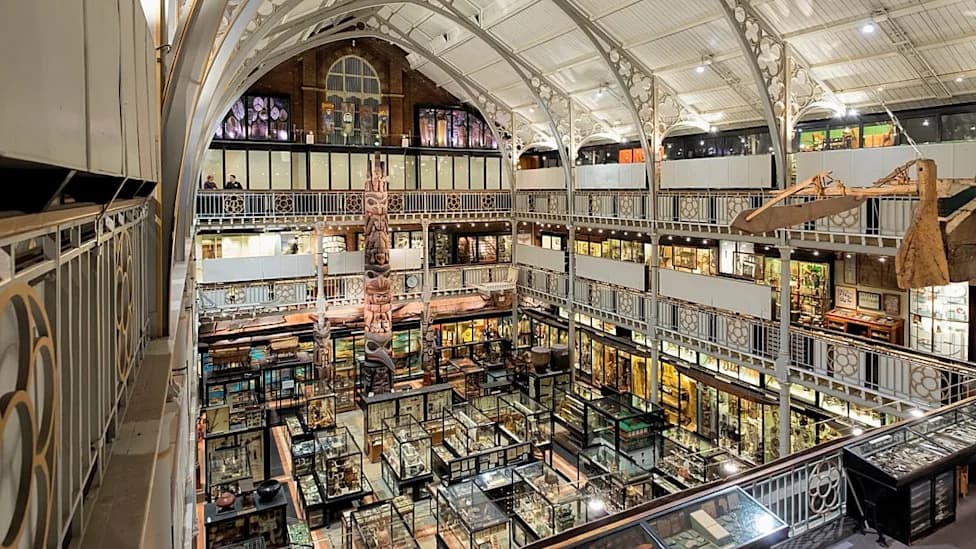
Oxford University museum to return remains of 39 people to India's Naga community
Oxford University's Pitt Rivers Museum has agreed to repatriate the remains of 39 Naga ancestors to communities in northeast India after years of negotiation over items collected during Britain's colonial era.
Background and Decision
The museum — which holds the world's largest collection of Naga material — received a formal claim in February 2026 for 40 sets of ancestral remains. In July, the university approved the return of 39 sets, explaining that one set was excluded because its provenance could not be clearly linked to the Naga people.
Working With Naga Communities
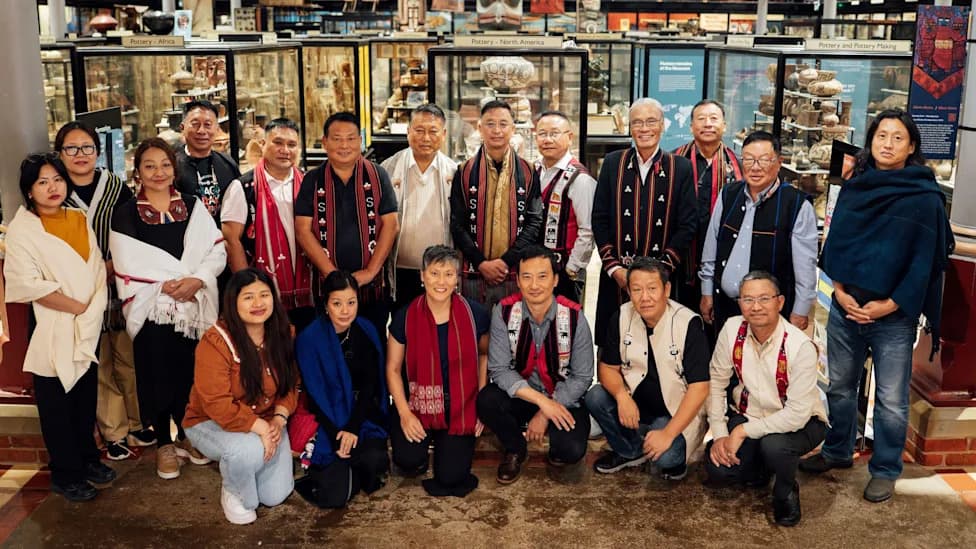
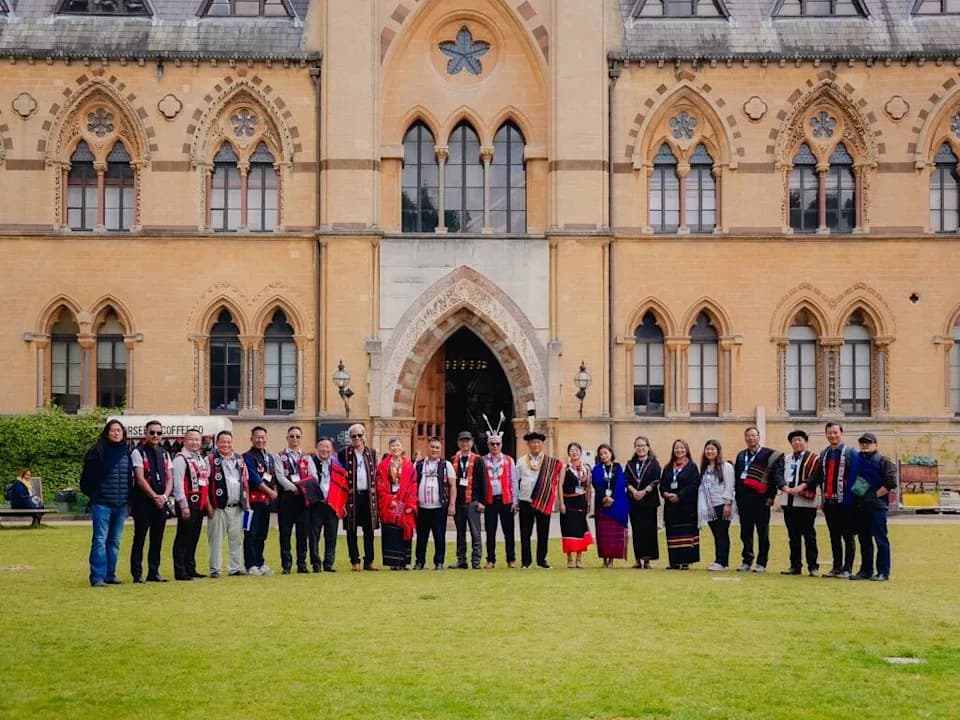
The Pitt Rivers Museum says it removed all human remains from public display in 2020 and has been working closely with Naga representatives to arrange a handover ceremony. After the ceremony, a Naga delegation is expected to accompany the remains back to their homeland.
"I feel honoured that we walked alongside our partners to find the path to return for these 39 Naga ancestors, who have been away from their homeland for far too long," said Professor Laura Van Broekhoven, director of the Pitt Rivers Museum, describing the process as "humbling."
Historical Context
According to the museum, many Naga items entered its collection more than a century ago. John Henry Hutton, an anthropologist and colonial administrator, and James Philip Mills supplied much of the material between roughly 1910 and 1940. The museum acknowledges that collecting was often coercive: remains and objects were frequently confiscated during punitive military expeditions rather than freely given.
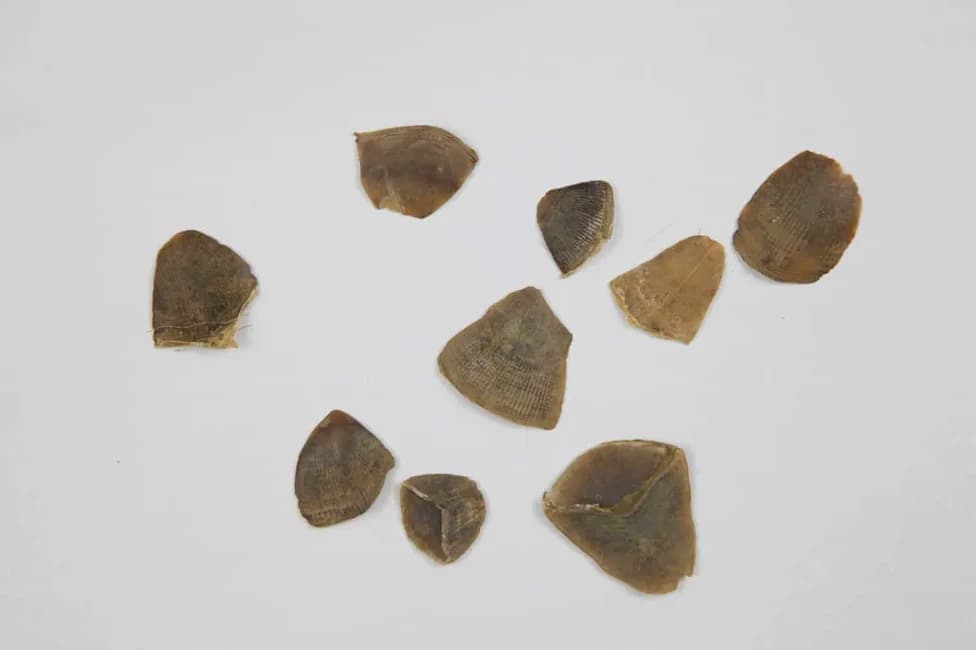
The Pitt Rivers' Naga assemblage comprises thousands of items in total. Of these, 219 entries are catalogued as Naga human-remains-related: 39 ancestral human remains (primarily skulls) and 178 objects that contain, or may contain, human hair. The current repatriation concerns the 39 ancestral remains.
Reactions
The Forum for Naga Reconciliation (FNR) and allied organisations welcomed the decision. "Repatriation, for the Nagas, is not simply about bones and ancestral remains finding their way back to the land but importantly about memory returning to where it belongs," they said in a statement to AFP.
The museum has described the return as part of a collaborative process to address historical injustices and restore cultural memory to the communities concerned.
Help us improve.