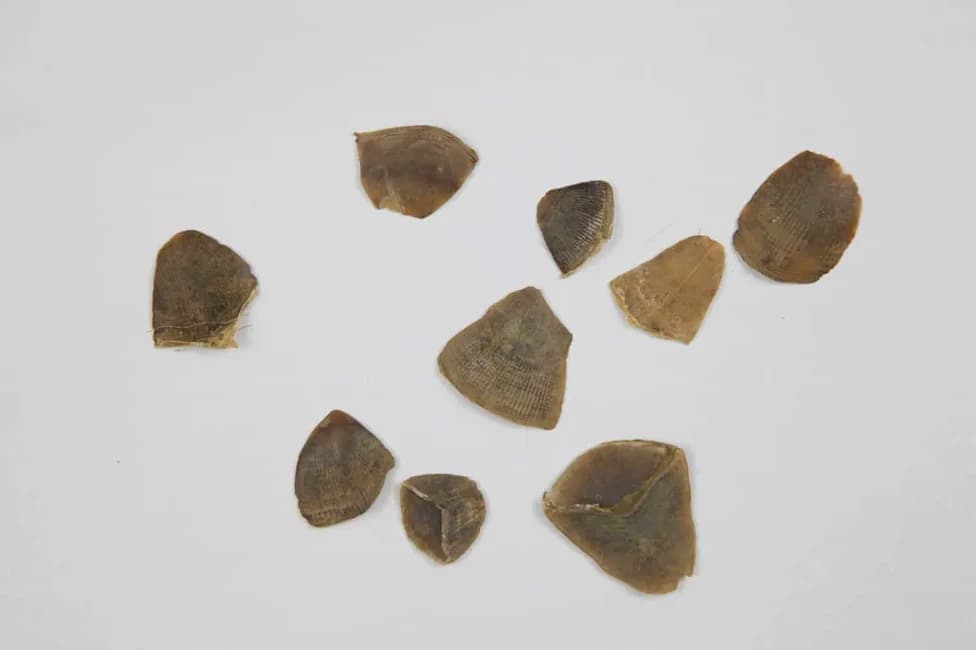
The Pitt Rivers Museum in Oxford will repatriate 39 ancestral human remains to the Naga people after a University of Oxford Council decision. The remains were removed from public display in 2020 during a decolonisation process and the decision follows a 2025 visit by a Naga delegation requesting their return. The museum will hold a formal handover ceremony, which the community and museum leaders describe as a step toward reconciliation and spiritual healing.
Oxford’s Pitt Rivers Museum to Repatriate 39 Naga Ancestral Remains
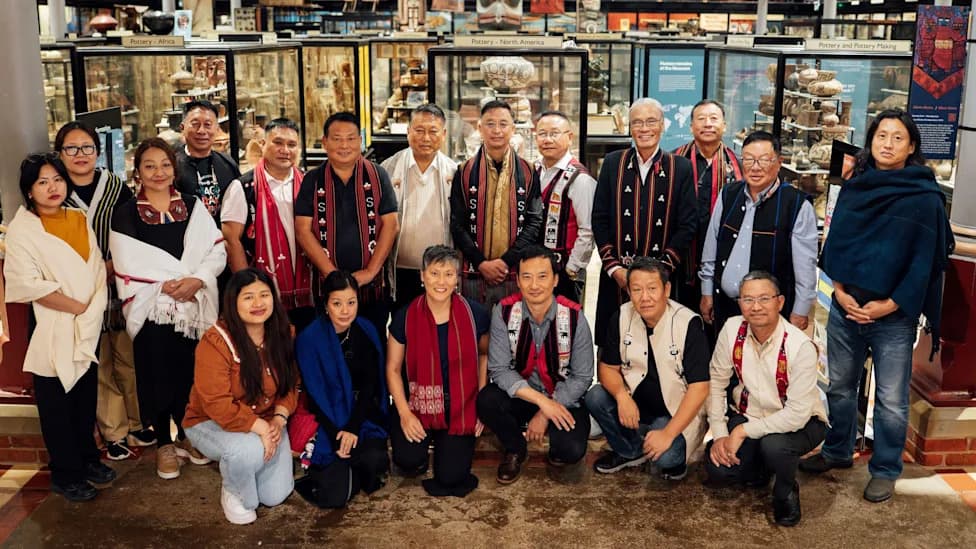
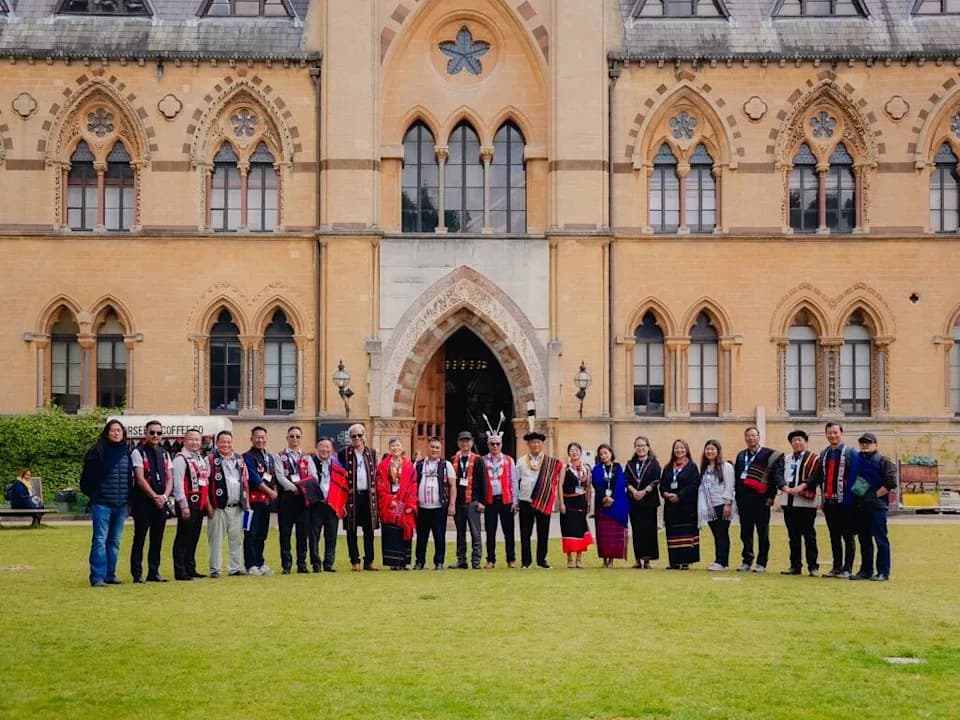
A Naga delegation visited the Pitt Rivers Museum in Oxford last year [Pitt Rivers Museum, University of Oxford]
The Pitt Rivers Museum in Oxford has agreed to return 39 ancestral human remains belonging to the Naga people of northeastern India and Myanmar, following a formal decision by the University of Oxford Council.
Background and Collections
Skulls and bones linked to the Naga communities were displayed at the Pitt Rivers for more than a century. In 2020 the museum removed all human remains from public display as part of a stated decolonisation process, which included the Naga ancestral remains.
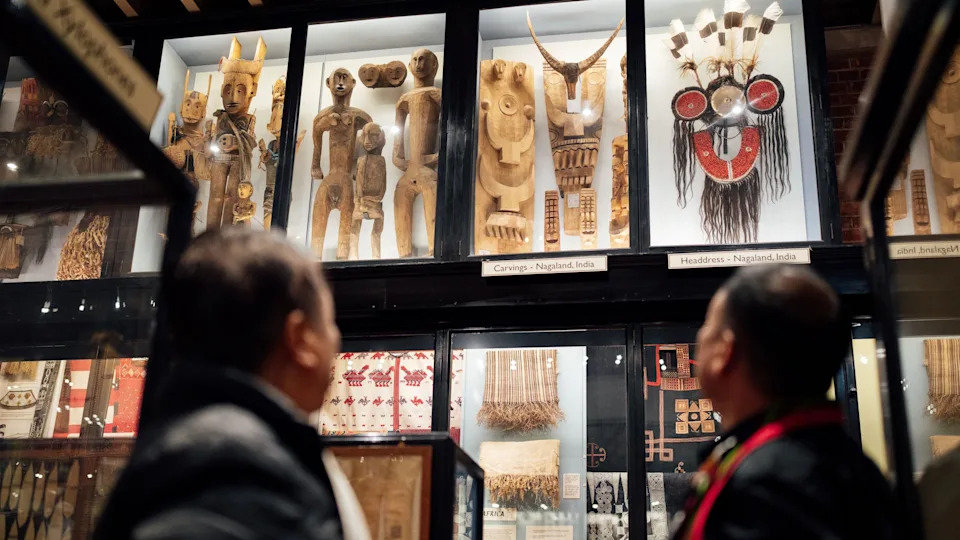
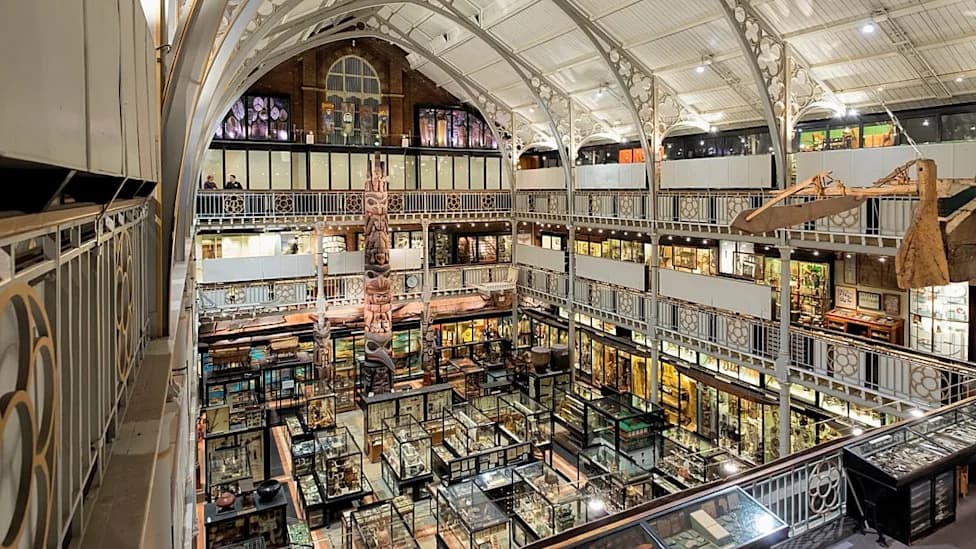
The museum is home to thousands of Naga artefacts [Pitt Rivers Museum, University of Oxford]
The museum holds one of the world’s largest collections of Naga material culture, many items acquired during British colonial administration. Several objects were collected by John Henry Hutton, a colonial administrator and anthropologist, who donated a substantial portion of the collection to the museum over a century ago.
What Was Decided
The University of Oxford Council has approved the return of the 39 ancestral human remains. Within the museum’s Naga holdings — which number several thousand items — 219 entries are catalogued as human remains. Of these, 39 are identified as ancestral human remains and 178 objects are recorded as possibly containing human hair.
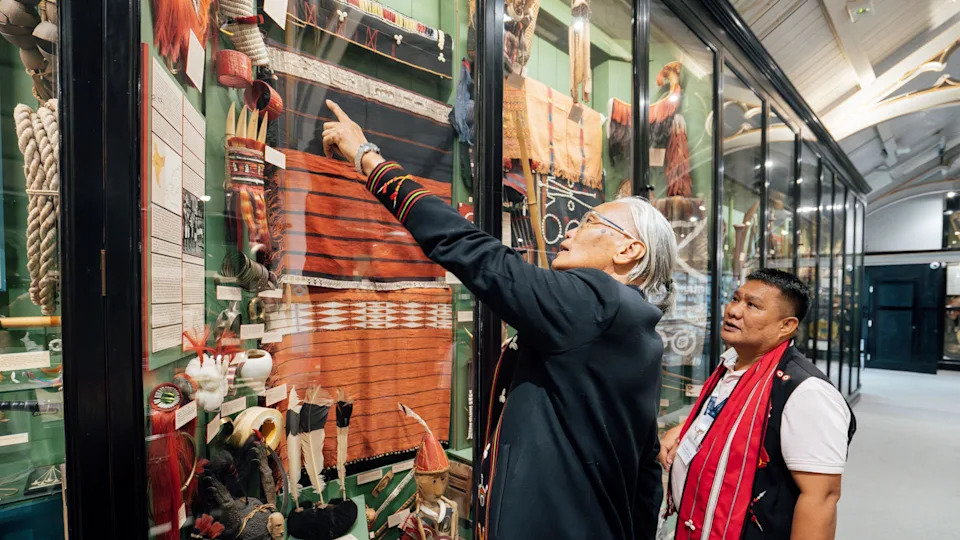
Many of the artefacts were seized by British administrators during colonial rule [Pitt Rivers Museum, University of Oxford]
“They've been here in a foreign land for more than a century,” said Dr Vihuto Asumi, President of the Sumî Hoho Naga tribe. “We believe that their spirits are still not at rest — so by doing this, we believe it will bring spiritual healing, not only to the ancestral remains here but to everyone who died during the head‑hunting days.”
The decision follows a visit by a Naga delegation to Oxford in 2025, during which community representatives requested the return of ancestral remains. The Pitt Rivers director, Prof Laura Van Broekhoven, described the decision as the result of a long process and an important step toward reconciliation.
“It has been a long journey to get to this moment,” Prof Van Broekhoven said. “We know that this week will be one where we will feel both grief and sadness when looking back on that past, and also where hope is possible as we work towards reconciliation and healing.”
Next Steps
The museum is arranging a formal handover ceremony that will include representatives of the Naga people. Members of the delegation will accompany the ancestral remains home; for some ancestors, this will be the first return in more than a century. The announcement focuses specifically on these 39 ancestral remains, while other human remains and items flagged for further investigation remain under consideration.
Context: The repatriation is part of a broader international movement by museums to address collections acquired under colonial conditions, seek dialogue with source communities, and pursue restorative actions where appropriate.
Help us improve.