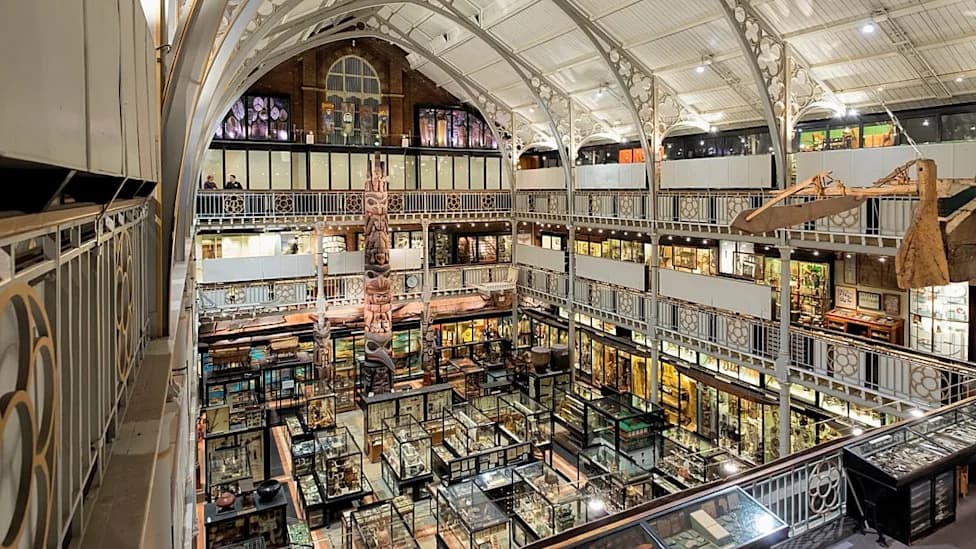
Manchester Museum has removed the 2,700‑year‑old mummy known as Asru from public display and placed her in storage after more than 200 years on view. The museum says the decision aims to respect the likely cultural wishes of elite ancient Egyptians, who expected bodies to remain wrapped and in coffins. Staff consulted Egyptian colleagues, members of the Egyptian diaspora and visitors before acting; options now under consideration include continued secure storage or repatriation to Egypt. The move forms part of a wider ethical debate about the public display of human remains.
Manchester Museum Removes 2,700‑Year‑Old Mummy Asru From Display to Respect ‘Wishes of the Dead’
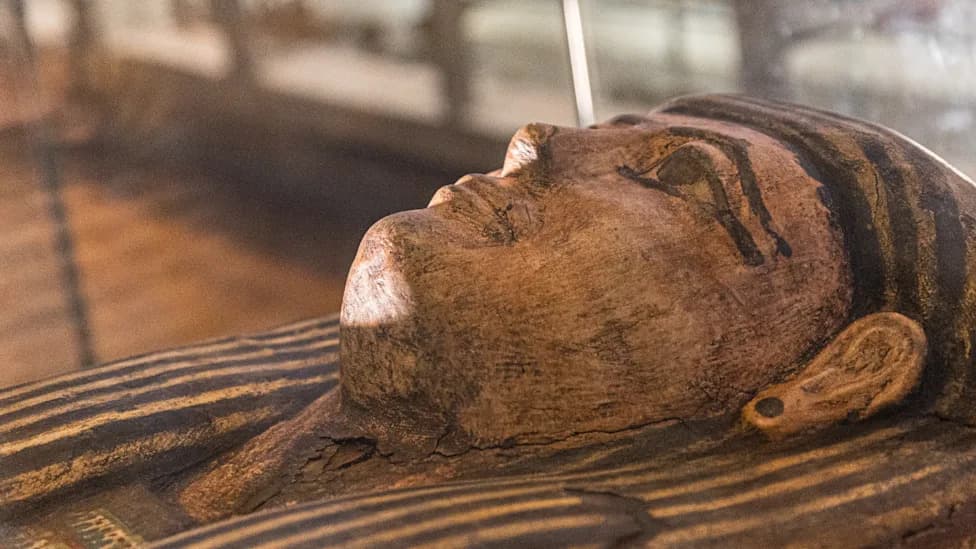
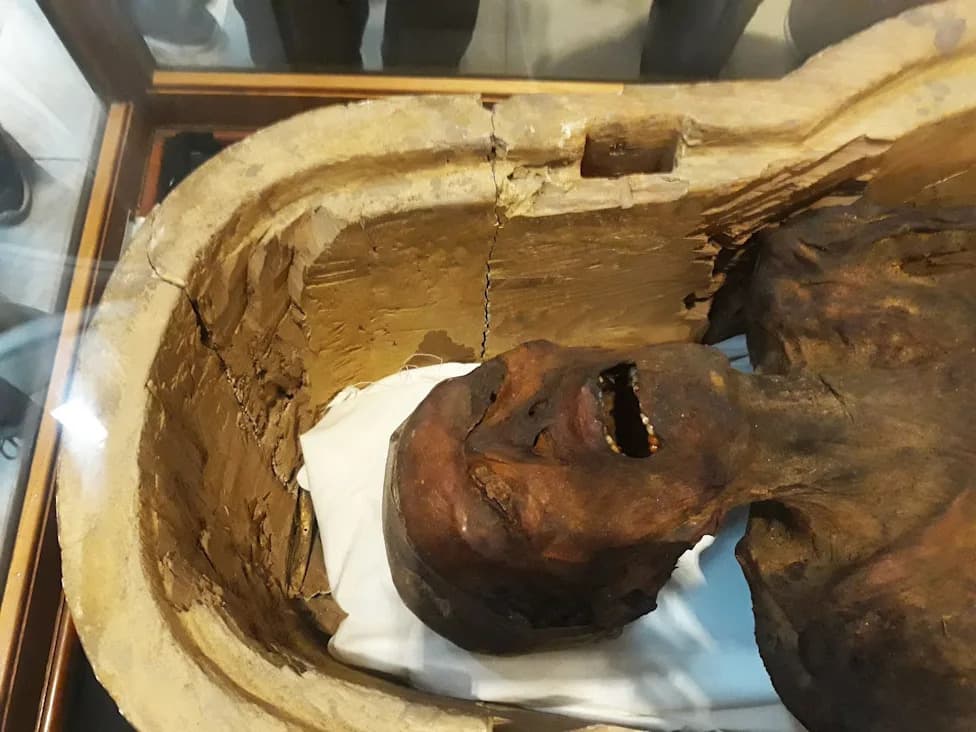
The mummified body of the woman named Asru has been placed back in its coffin [Manchester Museum]
Manchester Museum has taken the 2,700‑year‑old mummified woman known as Asru off public display and moved her into secure storage after more than two centuries on view. Museum curators say the decision is intended to respect what they believe would have been the deceased's likely cultural expectations.
Asru’s remains and their wooden coffin were excavated near modern Luxor (ancient Thebes) and entered the collection of Manchester merchants William and Robert Garnett in the early 1800s. Donated to the Manchester Natural History Society in 1825, her unwrapped body was placed on public display that same year and remained visible in the museum’s Egypt and Sudan gallery for more than 200 years.
Why the museum acted now
Earlier this month staff moved Asru from the gallery into storage. A museum spokesperson said the change "reflects changes in how we think about our responsibility towards ancestors, museum collections and the communities they represent." They added that elite ancient Egyptians typically expected mummified bodies to remain wrapped and within their coffins, rather than displayed to the living.
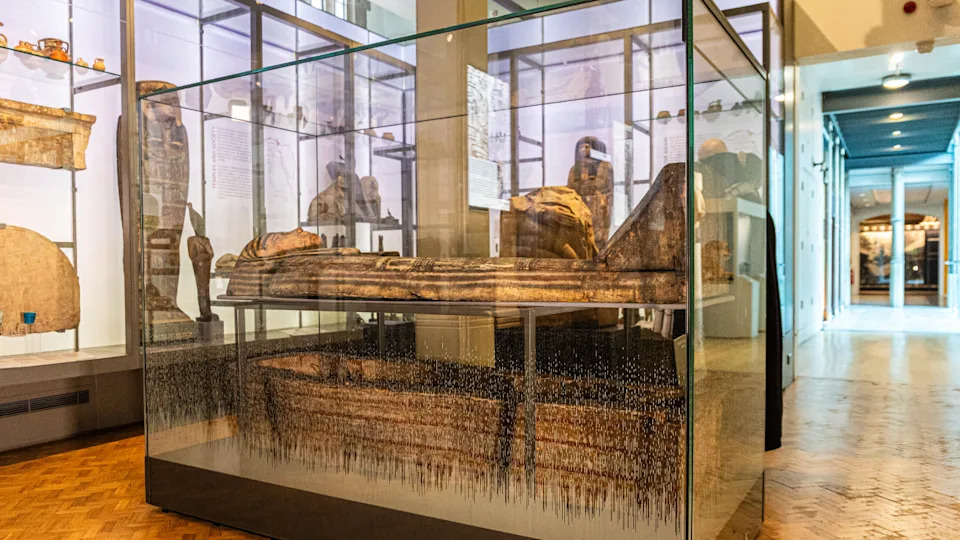
The wooden coffin was on display in the Egypt and Sudan collections [Manchester Museum]
“Before making this change, we consulted with Egyptian colleagues, members of the Egyptian diaspora and visitors to the museum, helping us to understand people's feelings about care for mummified people,” the spokesperson said. “However, the decision to remove Asru from display aligns most closely with what we understand about her own wishes.”
Next steps under consideration
Manchester Museum has not yet decided Asru’s long‑term disposition. Options under review include continued secure storage of both coffin and body or pursuing repatriation to Egypt. The museum says further consultation with Egyptian partners and community stakeholders will inform any final decision.
Context: a wider ethical debate
The move comes amid growing debate over whether museums should publicly display human remains. Many institutions continue to exhibit mummies as part of historical interpretation, conservation and research, while critics argue that public display can be non‑consensual and may perpetuate colonial harms.
In 2025 the All‑Party Parliamentary Group (APPG) for Afrikan Reparations published a report calling for UK institutions to end public display of Egyptian mummies and other human remains, describing the practice as inconsistent with the potential wishes of ancestors and as tied to colonial exploitation.
Egyptologist Dr Angela Stienne has highlighted how popular culture can cause visitors to disassociate mummified remains from lived human beings. Tony Butler, executive director at Derby Museums, told BBC Derby: "These are real people; you put them in a museum and you disassociate them from the culture that they lived."
Manchester Museum’s decision reflects a broader shift in museum practice toward greater engagement with source communities and more careful ethical stewardship of human remains. Any final resolution for Asru will be framed by ongoing consultation, conservation needs and legal and diplomatic considerations.
Help us improve.