A tissue analysis of 695 organ donors (41 of whom died during asthma attacks) found elevated IgE and a strong Type 2 inflammatory signature in fatal asthma. Lungs showed increased Th2 cells, ILC2s and mast cells, while memory T/B cells accumulated earlier in mucosal lymph nodes and lung-associated nodes had fewer regulatory T cells. Immune responses in the lungs were more strongly linked to gut-associated lymph nodes in fatal cases, but the study shows associations, not causation, and cannot yet guide diagnosis or treatment.
Study Finds Unexpected Gut-Linked Immune Changes in Fatal Asthma

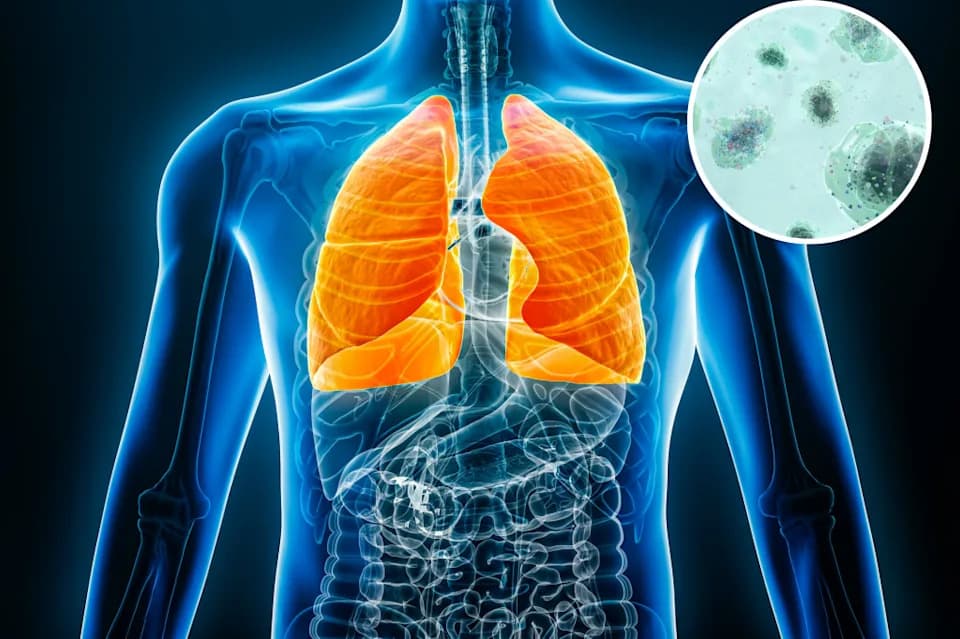
(Ian Hooton/SPL/Getty Images)
A fatal asthma attack looks like a disaster confined to the chest: airways constrict, the lining swells, and mucus chokes off airflow. New tissue analyses suggest, however, that immune changes outside the lungs — notably in lymph nodes near the gut — may help set the stage for these catastrophic events.
What the researchers did
Immunologists Yoonseung Lee and Donna Farber and colleagues analyzed immune cells from multiple tissues of 695 deceased organ donors collected between 2012 and 2025. The cohort included 41 people who died during an acute asthma attack, 78 people who had asthma but died of other causes, and 576 donors with no documented asthma. Samples came from lungs, blood, spleen, jejunum, lung-associated and mesenteric (gut-associated) lymph nodes, and bone marrow.
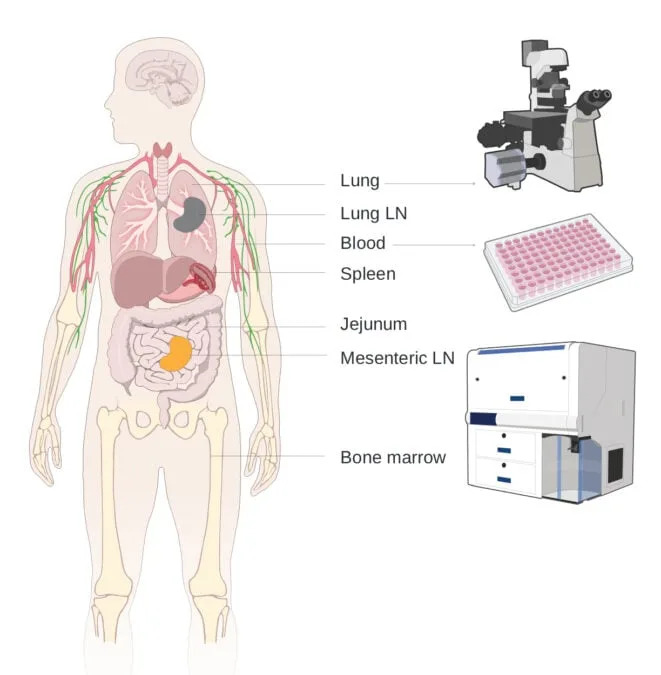
The researchers analyzed immune cells from the lungs, blood, spleen, jejunum, lung-associated and mesenteric lymph nodes, and bone marrow of organ donors. (Lee et al.,Nature Communications, 2026,CC BY-NC-ND 4.0)
Key findings
The study identified a pronounced Type 2 inflammatory signature in fatal-asthma donors. Measured immunoglobulin E (IgE) levels exceeded reference thresholds in every fatal-asthma donor tested, consistent with allergy-driven inflammation.
In lung tissue, fatal cases showed higher proportions of Type 2 helper T cells (Th2), type 2 innate lymphoid cells (ILC2s), and mast cells — cell types that can amplify airway swelling and mucus production.
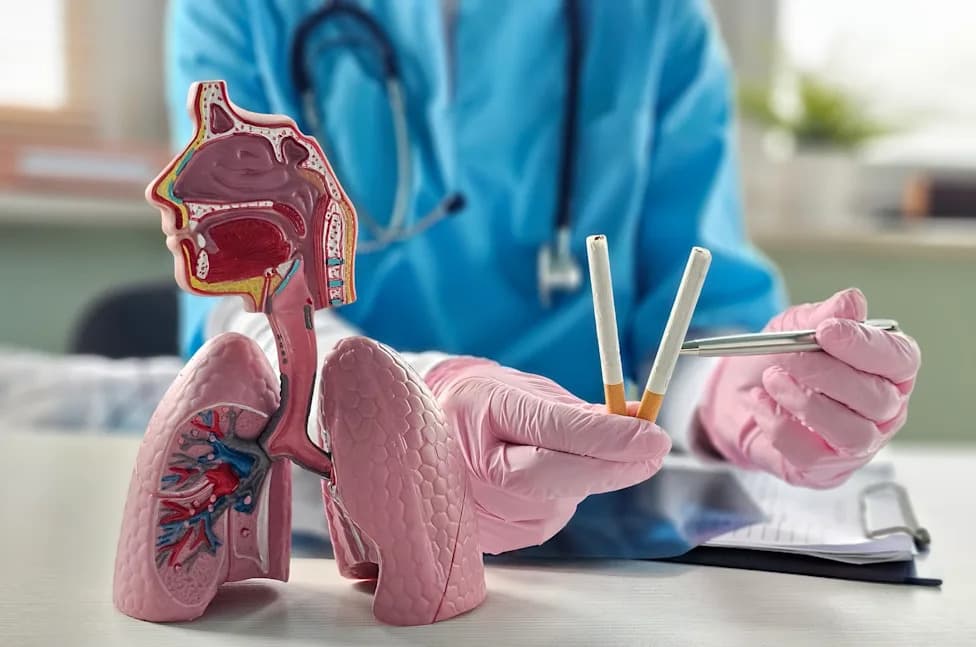
(Kateryna Kon/Science Photo Library/Getty Images)
Striking immune abnormalities also appeared in lymph nodes. Memory T and B cells accumulated earlier in mucosal-associated lymph nodes of fatal-asthma donors compared with donors without asthma, a pattern resembling premature immune aging. Lung-associated lymph nodes had substantially fewer regulatory T cells (Tregs) — the cells that normally restrain excessive immune responses — and this Treg deficit appeared in donors with asthma even when death was from other causes.
"What surprised us most was where some of the strongest immune abnormalities appeared," Lee told ScienceAlert. "We expected the lung to carry much of the signal, but we also found striking differences in the lymph nodes associated with the lungs and the gut."
Gut connection and limitations
When immune activity across tissues was compared, immune populations in the lungs of fatal-asthma donors showed stronger associations with responses in gut-associated lymph nodes than in donors without asthma. That cross-tissue pattern raises the possibility that immune events contributing to a severe attack may not be confined to the lungs and could involve gut-adjacent lymphoid tissue.

Subscribe to ScienceAlert's free fact-checked newsletter
Important caveats: the study is observational and based on single postmortem snapshots, so it demonstrates associations, not causation. The fatal-asthma group was relatively small, and information about corticosteroid treatment — which can alter immune profiles — was not available. The study did not assess gut microbes, diet, or other digestive health factors; the "gut connection" refers specifically to immune cells in lymph nodes near the intestines, not to any specific food or microbe triggering attacks.
Why it matters
These results broaden understanding of systemic immune patterns associated with fatal asthma and suggest that immune activity outside the lungs may contribute to risk. However, the findings do not yet translate into a diagnostic test or a treatment. The authors recommend further transcriptomic and spatial studies to map the molecular pathways and cell interactions involved.
Study: Lee et al., Nature Communications (2026), CC BY-NC-ND 4.0.
Help us improve.