Firefighters and some volunteer clinicians report rapid symptom relief after inhaling glutathione following heavy wildfire smoke exposure. The IAFF warns that there are no large-scale clinical trials, cites recent recalls involving contaminated supplies, and urges caution. Medical experts emphasize mixed evidence for antioxidants in air-pollution contexts and stress proven measures such as effective respiratory protection and decontamination. Researchers say rigorous trials are needed to establish safety, effectiveness and long-term outcomes.
Firefighters Try Inhaled Glutathione for Smoke Symptoms — Union Urges Caution, Scientists Call For Trials
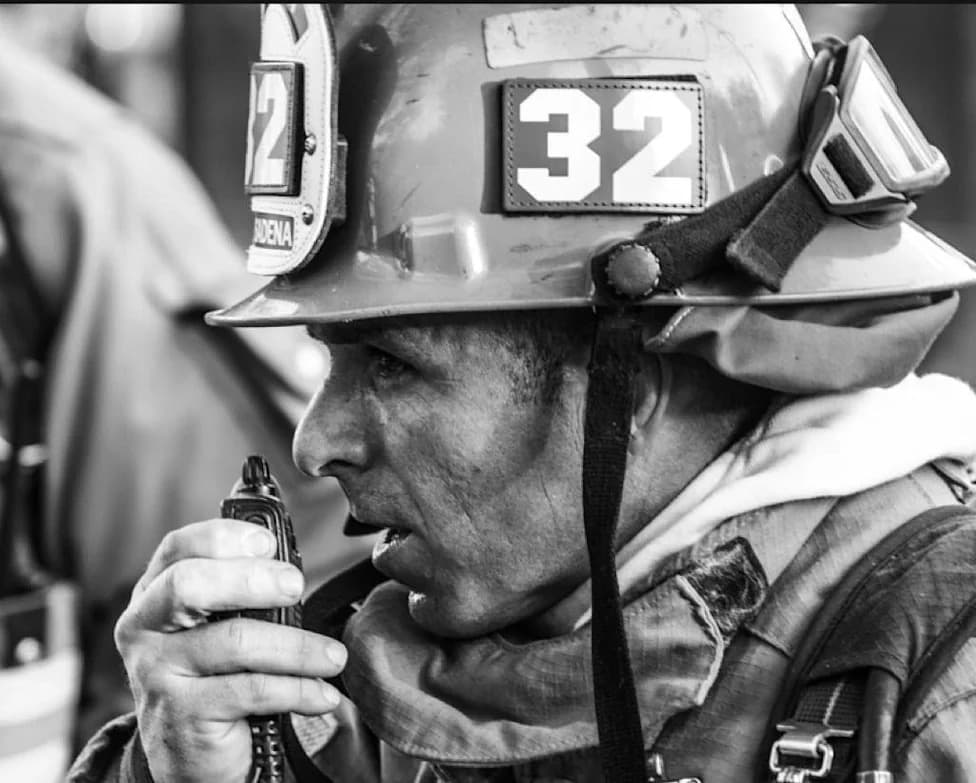
David Marquez, who's been a firefighter for over 25 years, testified about how beneficial he found glutathione [Handout]
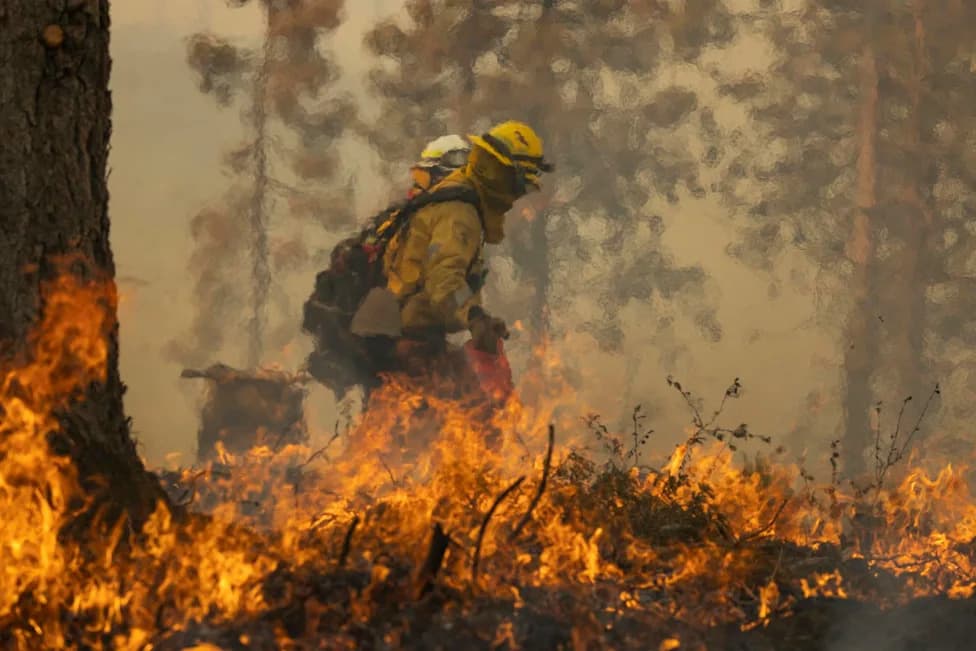
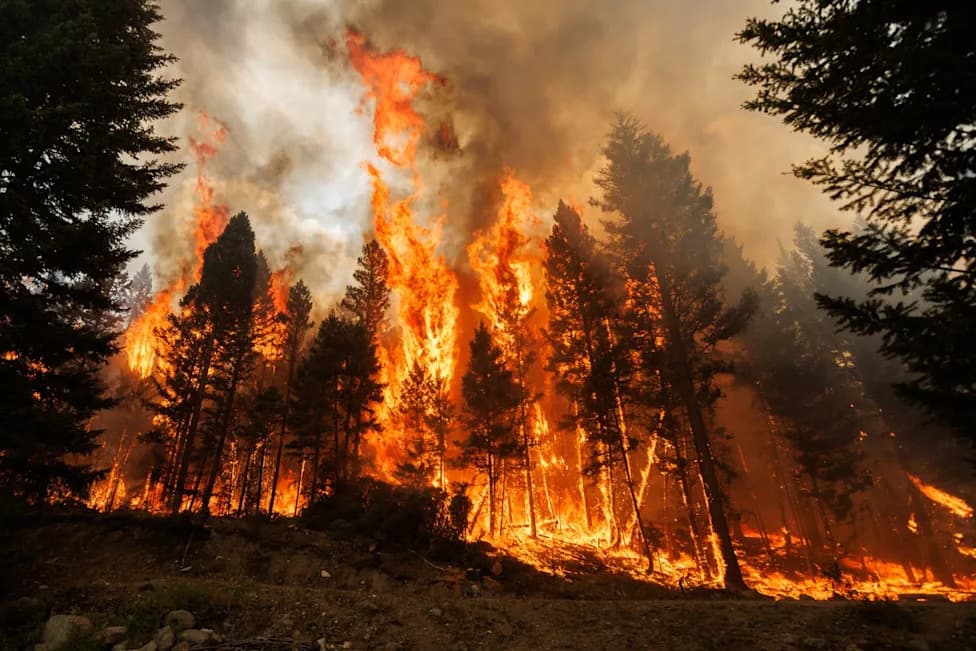
Days after battling the devastating Eaton Fire near Los Angeles, Pasadena Fire Captain David Marquez accepted an inhaled dose of glutathione beside the Rose Bowl. He and several crewmates reported near-immediate relief from persistent cough, fatigue, headaches and sleep disruption they developed after heavy smoke exposure.
What Is Happening
Glutathione is a naturally produced antioxidant that volunteer clinicians have begun offering at major US wildfire responses. Clinicians and some fire departments have collected anecdotal reports that inhaled glutathione can reduce acute symptoms and may help eliminate some toxic chemicals firefighters absorb on the job. Those accounts have prompted interest — and controversy — across the fire service.
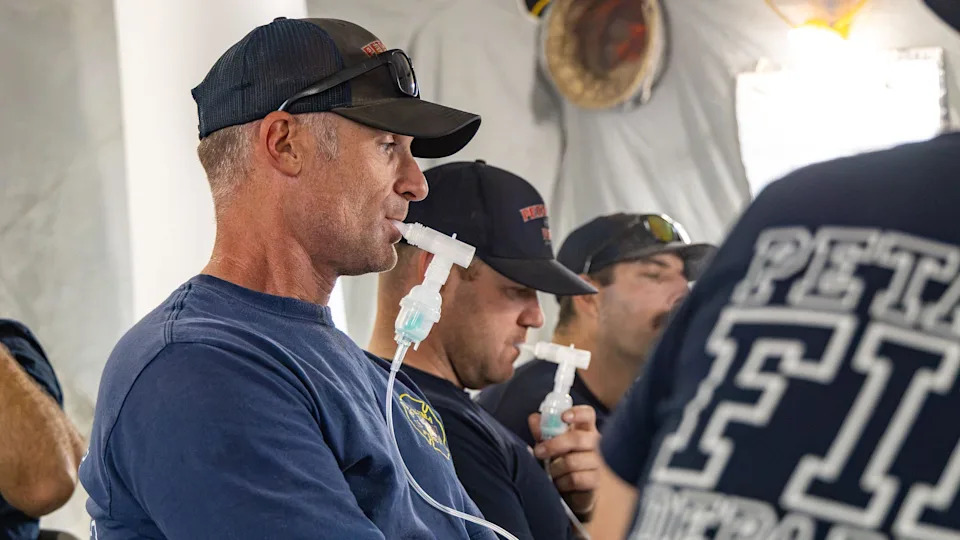
[Volunteer Fire Foundation]
Union Concerns and Safety Issues
The International Association of Fire Fighters (IAFF), representing more than 360,000 members, issued a public warning about the therapy. The union highlighted two recent recalls tied to contaminants in glutathione from compounding pharmacies and stressed that there are no large-scale clinical trials proving safety or long-term benefit for this use.
"We don't know if glutathione is effective," said Sean DeCrane, assistant to the IAFF general president for health and safety. "We don't know if it's a placebo effect. We don't know the long-term effect of this type of treatment."
Volunteer Programs and Anecdotal Data
The Integrated Health Action Network (IHAN), a volunteer group formed after the 2017 Tubbs Fire, sends naturopathic clinicians to wildfire incidents offering glutathione alongside other therapies such as acupuncture and massage. IHAN leaders say their collected data show short-term improvements in headaches, fatigue and "brain fog," but they acknowledge the evidence is anecdotal and not a substitute for randomized clinical trials.
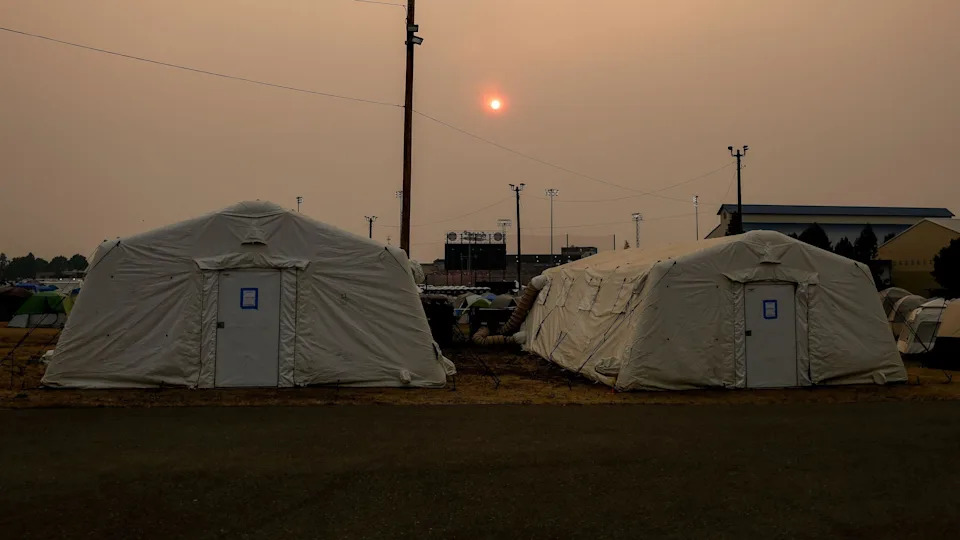
Tents were erected for firefighters and health workers to stay out of the smoke [Volunteer Fire Foundation]
Expert Views
Occupational health specialists urge caution. Dr. Coralynn Sack, an occupational pulmonologist at the University of Washington, says wildfire smoke is a clear inhalational hazard and that antioxidant supplements show mixed results in air-pollution studies — some yielding no benefit and a few demonstrating harm in other contexts. She and others warn the debate about glutathione should not divert attention from proven protections like high-quality respiratory equipment and decontamination practices.
Regulatory And Cultural Context
Interest in glutathione grew after last year's proposed California Board of Pharmacy rules that would have tightened compounding controls. Firefighters testified in Sacramento about perceived benefits, and the proposed restrictions were subsequently abandoned. Meanwhile, the fire service has shifted toward better health practices overall — more frequent decontamination, use of PPE, and attention to long-term cancer risks.
[Handout]
What This Means For Firefighters
Firefighters face elevated occupational cancer risks: the US National Institute for Occupational Safety and Health estimates roughly a 14% higher risk of cancer mortality compared with the general US population. Given that risk and the potential for contaminated supplies and unproven benefit, many experts and the IAFF call for rigorous clinical trials to determine whether inhaled glutathione is safe and effective for firefighters.
Conclusion
While some frontline crews report rapid symptom relief after inhaled glutathione, the treatment remains experimental. The combination of anecdotal enthusiasm, product-safety recalls and the absence of randomized clinical trials means firefighters and departments should weigh potential risks carefully, prioritize established protective measures, and support formal research before adopting glutathione as a routine treatment.
Help us improve.