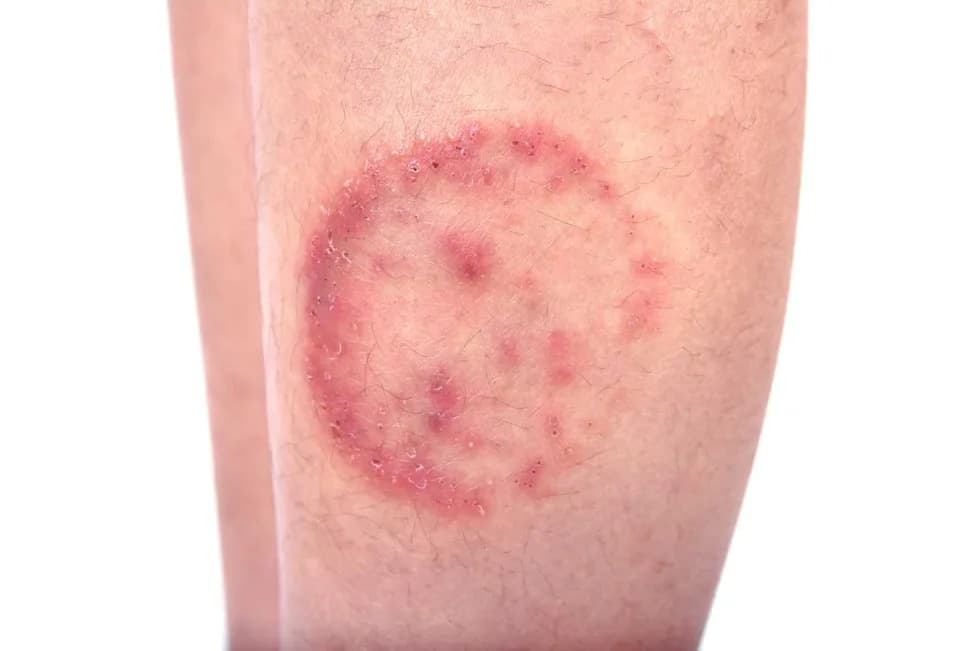
CDC Study: A terbinafine-resistant strain of the fungus that causes ringworm has been identified in 29 countries, and reported cases tripled between March 2022 and the end of 2025. The first U.S. case was reported in 2023. Resistant infections can persist for months and are harder to treat, and experts warn cases are likely undercounted in regions with limited diagnostic capacity.
CDC: Terbinafine-Resistant Ringworm Fungus Now Found in 29 Countries; Cases Tripled Since 2022

Drug-resistant ringworm fungus has spread to 29 countries: Study
New CDC analysis finds global spread of drug-resistant ringworm. A strain of the skin fungus that causes ringworm and related infections has shown resistance to the commonly used antifungal terbinafine and has been detected in 29 countries, according to a Centers for Disease Control and Prevention (CDC) study.
Ringworm (tinea) is a superficial fungal infection that typically produces an itchy, scaly, circular rash. The same group of fungi can also cause athlete’s foot and other skin infections. Transmission occurs through direct skin-to-skin contact and indirectly via contaminated items such as towels, clothing, bedding and hairbrushes.
Most cases of ringworm respond to terbinafine, applied topically or taken orally. The CDC warns that this particular strain is resistant to terbinafine, which can allow infections to persist for months and makes clinical management more difficult.
What the Study Found
Researchers reviewed surveillance and laboratory data collected from March 2022 through the end of 2025 and found that reported cases of the terbinafine-resistant fungus tripled during that period. The organism has now been identified in 29 countries worldwide, and the first U.S. case was reported in 2023.
Although most documented cases to date have come from Europe, investigators caution this likely reflects stronger surveillance systems and laboratory testing there rather than a genuinely higher disease burden. The report also notes probable undercounting in parts of Africa, India and the Middle East, where the fungus is already common but where access to advanced diagnostic testing and tracking tools is limited.
Implications and Practical Advice
The emergence and spread of terbinafine-resistant strains mean clinicians and public health officials may need to use alternative diagnostic and treatment approaches and increase laboratory surveillance. For the public, basic prevention steps remain important:
- Keep skin clean and dry; change socks and underwear daily.
- Avoid sharing towels, clothing, hairbrushes or other personal items.
- Wash bedding and clothes in hot water if ringworm is suspected.
- Seek medical care if a persistent, spreading, or unusually long-lasting rash develops—especially if standard topical treatment does not work.
The CDC study underscores the need for expanded testing, better global surveillance and clinician awareness so resistant infections can be identified and managed promptly.
Help us improve.