The CDC found a terbinafine-resistant strain of the fungus that causes ringworm has spread to 29 countries, with reported cases tripling from March 2022 to the end of 2025. The first U.S. case was recorded in 2023. Researchers say Europe’s higher case totals likely reflect stronger testing, while infections are probably undercounted in Africa, India and the Middle East. Resistance to standard treatment can allow infections to persist for months and may require alternative management and follow-up.
CDC: Terbinafine-Resistant Ringworm Strain Now Reported in 29 Countries

Drug-resistant ringworm fungus has spread to 29 countries: Study
A strain of the fungus that causes ringworm has become resistant to the common antifungal terbinafine and is appearing in more countries each year, a new CDC analysis shows. Reported cases of the drug-resistant organism tripled between March 2022 and the end of 2025, and it has now been identified in 29 countries. The first U.S. case was recorded in 2023.
What the Study Found
Researchers reviewed surveillance and laboratory data from March 2022 through the end of 2025. During that period, documented cases of the terbinafine-resistant strain increased threefold. While most reported cases to date have come from Europe, investigators caution that this likely reflects stronger testing and surveillance systems there rather than a true regional concentration of infections.
Where Cases May Be Undercounted
The report highlights probable undercounting in parts of Africa, India and the Middle East, regions where dermatophyte infections are common but advanced diagnostic and tracking tools are less available. Limited laboratory capacity and weaker surveillance may be masking the true extent of spread in those areas.
Transmission and Clinical Impact
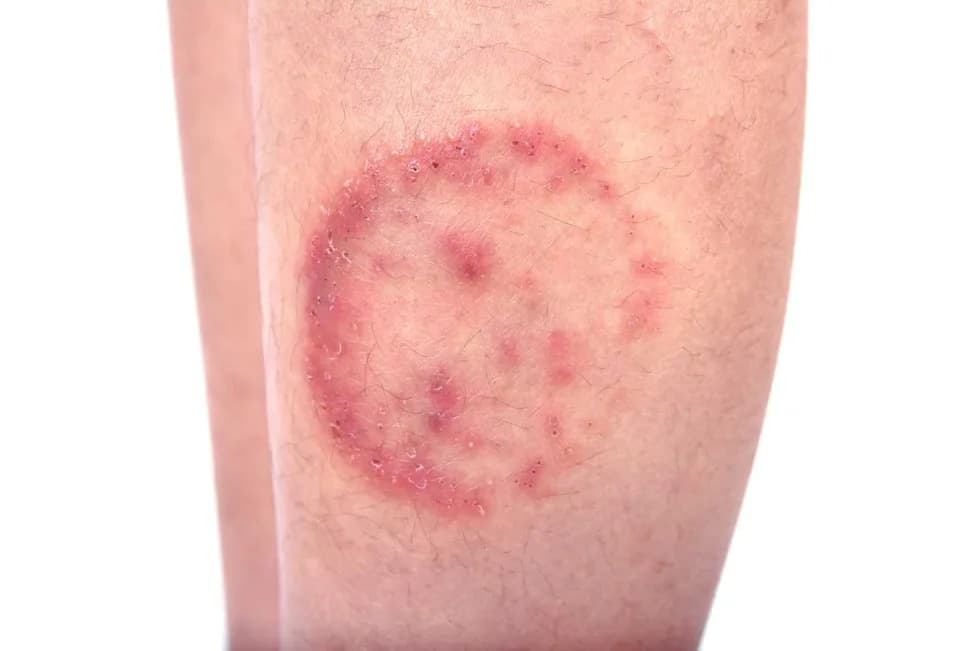
Ringworm (tinea) is a common fungal infection that causes itchy, scaly, circular rashes on the skin and can also lead to conditions such as athlete’s foot. The infection spreads through direct skin-to-skin contact and through contaminated objects like towels, clothing, bedding and hairbrushes. Because this strain resists terbinafine, infections may persist for months and can be harder to treat successfully, potentially requiring alternative management and follow-up with a healthcare provider.
Practical Advice
If a rash does not improve with standard treatment or persists for several weeks, people should seek medical evaluation. Health officials emphasize the importance of good hygiene and avoiding sharing personal items to limit transmission. Public health authorities are encouraging expanded testing and surveillance to better track and respond to the emerging resistant strain.
Source: CDC analysis (reported by NewsNation/Nexstar Media)
Help us improve.