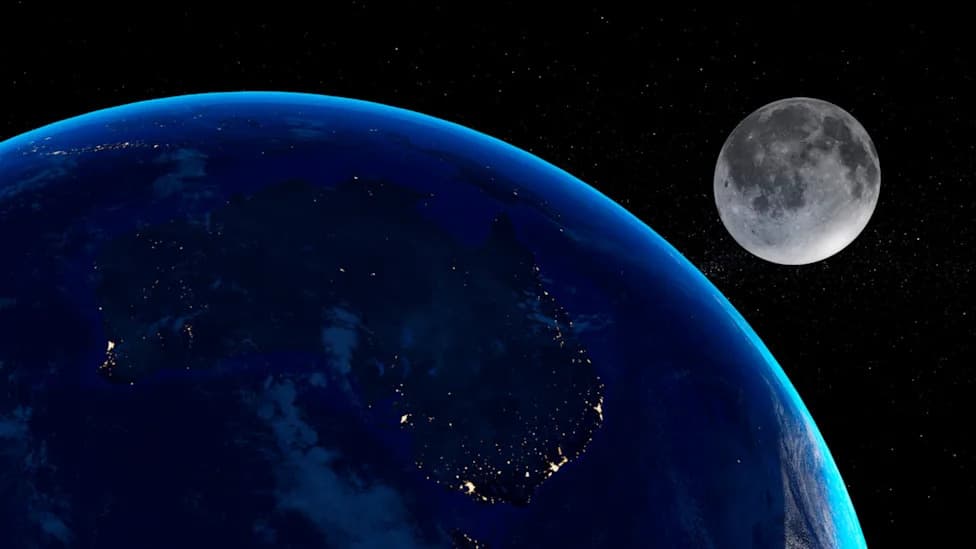
Chinese researchers at Northwestern Polytechnical University modeled how conflict could spill into cislunar space, showing how spacecraft might exploit the moon's complex gravity to hide, intercept rivals or block key routes. They identified "choke points"—converging routes where a craft could force competitors onto costlier paths. Lead author Dang Zhaohui warns such positioning can coerce opponents without kinetic force, complicating monitoring and competition between Earth and the moon.
Chinese Study Maps Cislunar 'Choke Points' Where Spacecraft Could Intercept Rivals
Researchers map out ‘choke points’ where spacecraft could intercept their rivals
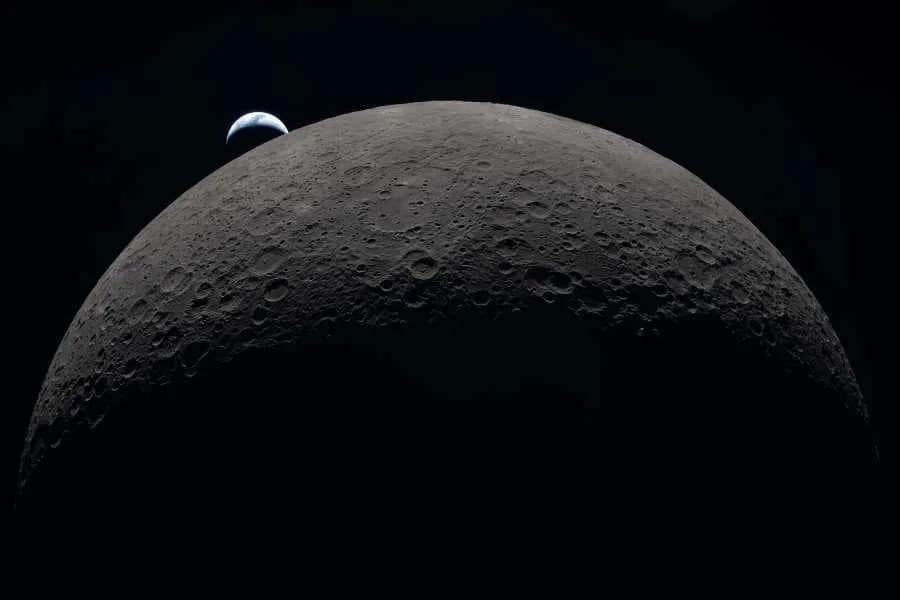
Chinese aerospace researchers have modeled how terrestrial conflict could extend into the vast zone between Earth and the moon, identifying locations where spacecraft might intercept rivals or force them onto more costly routes.
The study, by a team at Northwestern Polytechnical University in Xi'an, was published in the Chinese-language Journal of Command and Control in July. The authors describe scenarios of pursuit, evasion, route denial and covert stationing in the complex gravitational environment around the moon.
How Spacecraft Could Use Cislunar Dynamics
The researchers argue that spacecraft could exploit the moon's intricate gravitational field—where trajectories are often sensitive and hard to predict—to hide temporarily, then emerge later to approach targets nearer Earth. They also identify so-called "choke points": regions where efficient or strategically important routes converge and where a vehicle could meaningfully intercept or divert competitors.
"What matters in cislunar competition is not any single spacecraft, orbit or route," said Dang Zhaohui, the study's lead author and an associate professor in Northwestern Polytechnical University's School of Astronautics. "It is the ability to access, control and use space, and to deter others from doing the same."
Strategic Implications
Dang and his colleagues emphasize that such positioning can have coercive effects without kinetic action: a state might compel an adversary to alter course, delay a mission, abandon a launch window or absorb higher costs—simply by threatening to act. The same gravitational complexity that enables concealment also makes cislunar space harder for any single actor to monitor or dominate.
As more nations and commercial actors expand activity between Earth and the moon, the authors suggest these dynamics could shape future competition, space traffic management and norms for behavior in cislunar space.
What Is Cislunar Space?
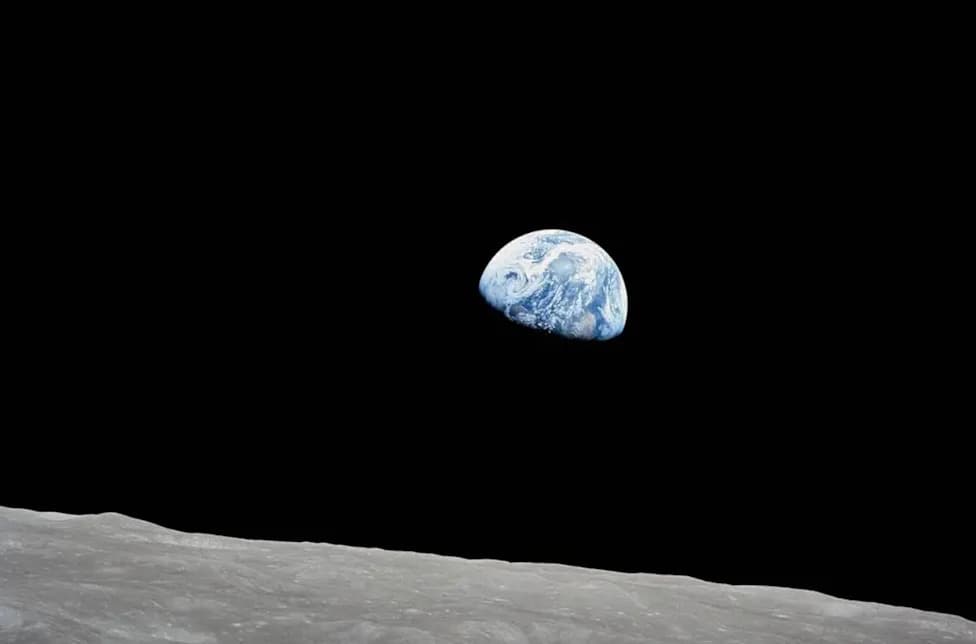
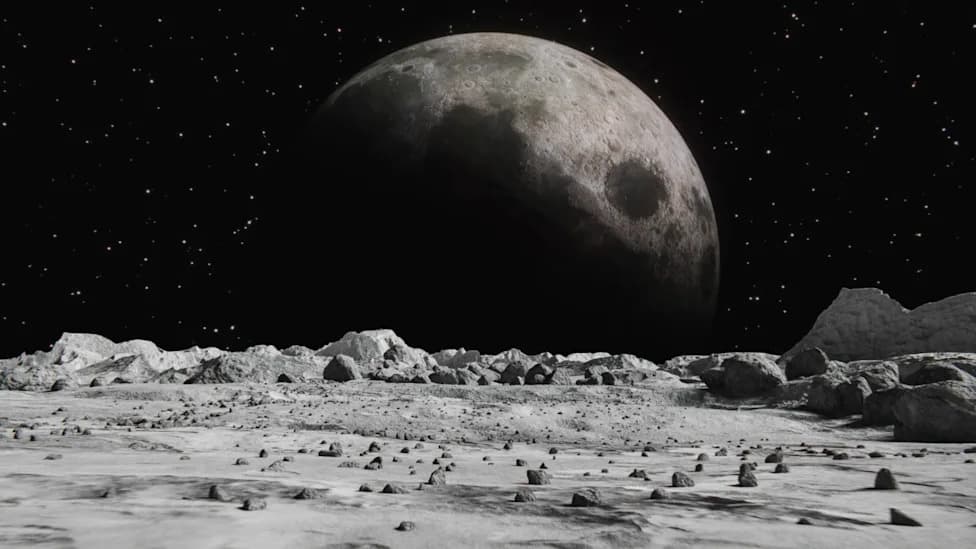
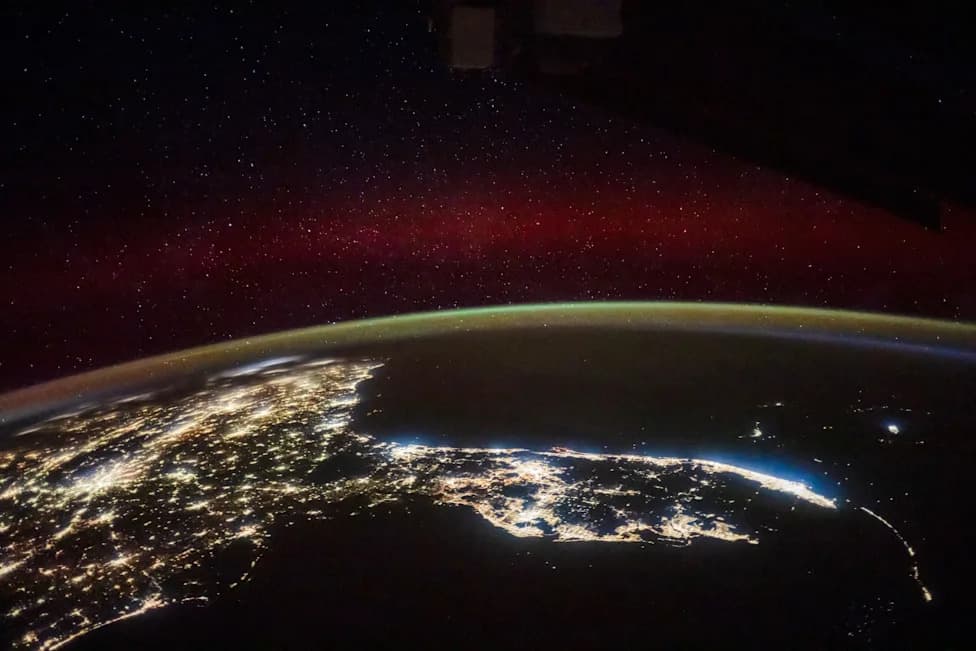
Cislunar space refers to the wide region where the combined gravitational pull of Earth and the moon governs spacecraft motion. Vehicles operating there can follow far more intricate and variable paths than satellites in conventional near-Earth orbits and thus face a different set of navigational and strategic challenges.
Help us improve.