China's Deep Space Exploration Laboratory will deploy 30 backpack-sized CubeSats into highly elliptical Earth orbits over about four years to create a three-dimensional network across cislunar space. The constellation aims to improve monitoring of solar activity and space weather by observing from multiple vantage points. Partners include Egypt, Indonesia, Senegal, Serbia, and Thailand. A separate set of lunar-orbit CubeSats will search for Moon resources to support future crewed missions and permanent infrastructure.
China to Launch 30 Backpack-Sized CubeSats to Build 3D Cislunar Satellite Network

China to send 30 backpack-sized CubeSats to build 3D satellite network near moon
China has launched an international program to assemble a three-dimensional satellite network spanning the space between Earth and the Moon. The project aims to improve monitoring of solar activity and space weather, and to study some of the universe's most energetic explosions.
Who’s leading it: The Deep Space Exploration Laboratory will lead the effort, planning to deploy 30 backpack-sized CubeSats into highly elliptical Earth orbits over the next four years or so.
Why a 3D Network?
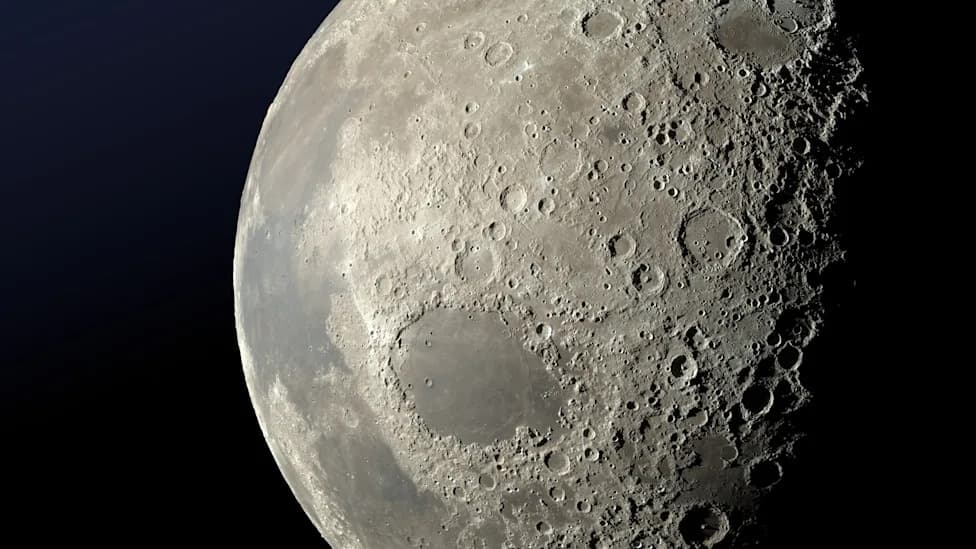
The laboratory says the constellation will close a global gap in systematic observations of cislunar space — the region stretching from low-Earth orbit out to roughly 1.2 million miles (about 2 million kilometers) from Earth. Until now, scientists have largely relied on individual spacecraft, which can observe only one location at a time. A distributed network of dozens of small satellites, observing simultaneously from different vantage points, will allow researchers to track energetic particles and magnetic disturbances from the Sun as they move through the region, revealing how space weather develops in three dimensions.
International Partners and Parallel Missions
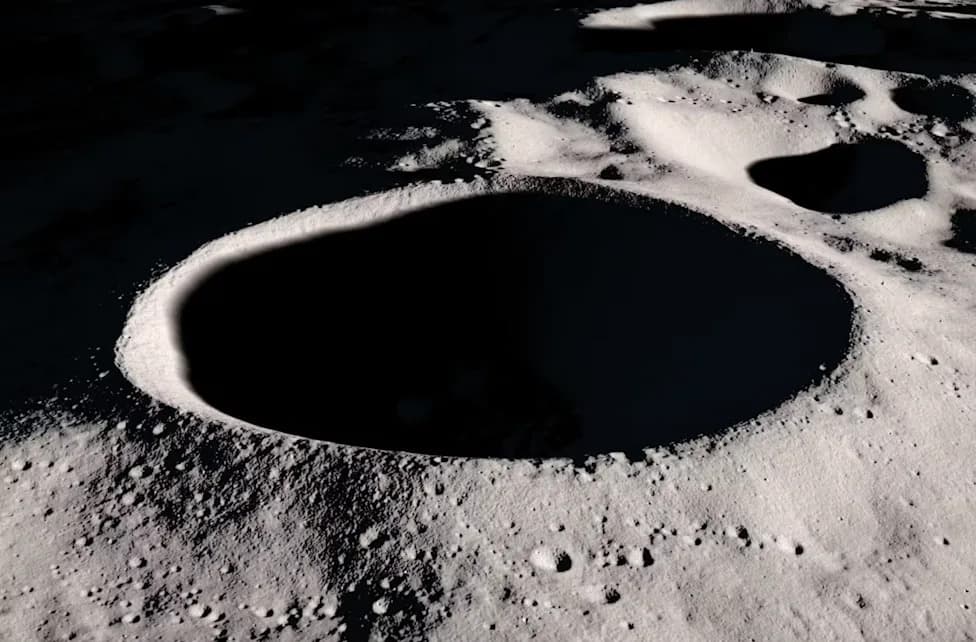
China says the initiative includes partners from at least five countries: Egypt, Indonesia, Senegal, Serbia, and Thailand. In addition to the Earth–Moon constellation, a separate group of CubeSats will be placed into lunar orbit specifically to search for resources on the Moon. Further technical details for the lunar mission have not yet been released.
Two complementary constellations: One will monitor the space between Earth and the Moon; the other will study the Moon directly. Together they are intended to support future crewed lunar missions and the development of permanent lunar infrastructure.
This dual approach underscores China's broader ambitions in cislunar space: filling observation gaps, supporting long-term crewed exploration, and informing plans for lunar bases and resource utilization.
Help us improve.