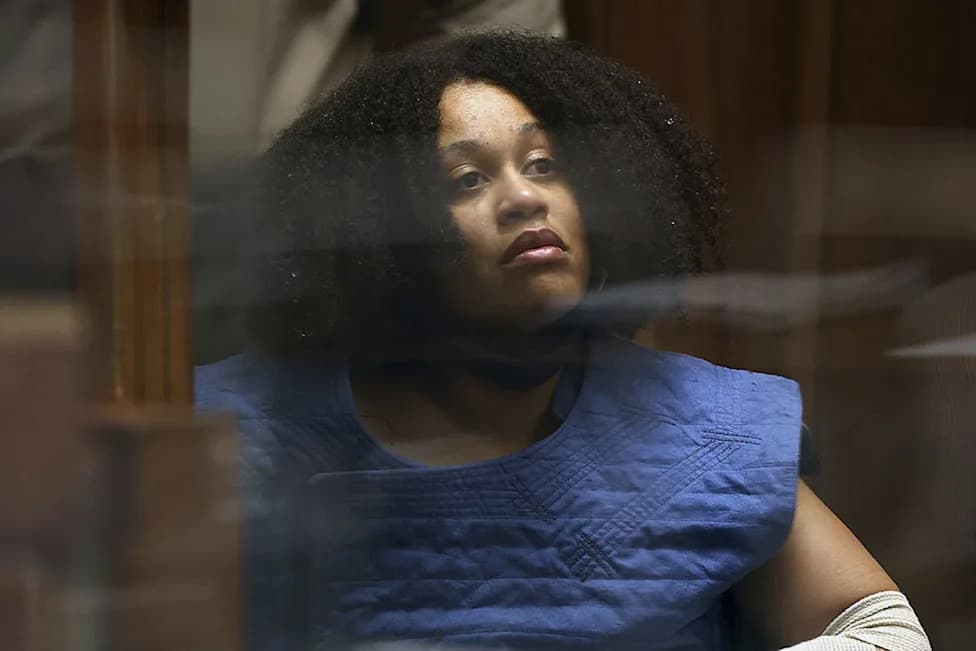
Shamarri Tache Brooks (aka Juney Knotzz) was sentenced to six years after being convicted of bank fraud and aggravated identity theft for operating a mail-theft check-fraud ring in Atlanta. Prosecutors say he "washed" and altered stolen checks, recruiting accomplices to deposit $6,574,288. FinCEN has flagged hundreds of millions in mail-theft check fraud, and authorities urge consumers to favor electronic payments and secure mailing practices.
Rapper Juney Knotzz Sentenced to Six Years After Leading Mail-Theft Check-Fraud Ring
Drying dollars hanging on a clothesline. Money laundering concept.getty
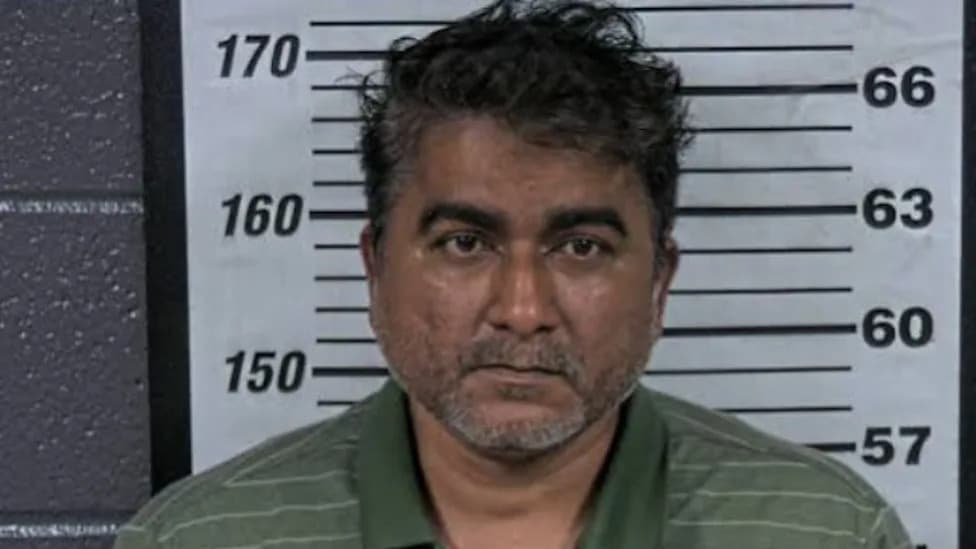
Shamarri Tache Brooks, an Atlanta-based rapper who performed as Juney Knotzz, was sentenced to six years in prison after a jury convicted him of bank fraud and aggravated identity theft. Prosecutors say Brooks built a criminal enterprise that centered on stealing mailed checks, chemically altering them, and recruiting others to deposit the proceeds.
How the Scheme Worked
According to prosecutors, between January 2022 and November 2025 Brooks and associates stole checks from postal deliveries and public mailboxes. They used chemical solvents to "wash" the payee information, altered the payee fields, and then recruited people via social media — who already had bank accounts — to deposit the altered checks at ATMs across the Atlanta area. Surveillance footage reportedly shows Brooks making deposits while wearing a balaclava-style mask marked "No Free Sauce." Authorities say the stolen and deposited checks totaled $6,574,288.
Related Commerce: Tutorials and Merchandise
Prosecutors also allege Brooks marketed instructional materials on committing financial fraud, packaged as the "Sauce Book," and sold branded merchandise — including balaclavas bearing bank logos and apparel stamped "No Free Sauce" or "NFS" — through his business, Brooks Merchandise. Investigators say these activities helped promote and sustain the scheme.
"The defendant built a criminal enterprise around stealing checks, exploiting bank accounts, and teaching others how to commit fraud," said FBI Special Agent Marlo Graham. "His actions put millions of dollars at risk and victimized individuals and financial institutions across our community."
Impact, Recoveries and Prosecutions
FinCEN (the Financial Crimes Enforcement Network) reported that in the six months after issuing an alert on mail-theft-related check fraud, banks logged more than $688 million in suspicious activity tied to checks stolen from the mail — underscoring the broader threat. In Brooks's case, law enforcement recovered many of the stolen checks, and banks reversed or rejected credits when the scheme was detected, which limited verified victim losses. U.S. Attorney Theodore S. Hertzberg noted that errors in the operation reduced the successful payouts, but stressed that prosecution and prison remain the consequence of such crimes.
"Thankfully, Brooks's ineptitude matched his boldness—his efforts to negotiate the checks failed, sparing his victims from any known loss," Hertzberg said. "Although Brooks sought to teach his followers how to commit fraud, the real lesson here is that crime does not pay. We will catch you, and you will go to prison—even if your scheme is unsuccessful."
How Consumers Can Protect Themselves
Authorities warn mail theft and check fraud remain serious problems. Practical steps to reduce risk include:
- Pay bills electronically whenever possible to avoid sending paper checks.
- If you must mail a check, deposit it at a staffed post office counter rather than leaving it in an unsecured mailbox.
- Use pens with permanent, gel-based ink and fill checks completely to limit easy alteration — though sophisticated attackers can still scan and digitally alter checks.
- Monitor bank accounts regularly and report suspicious activity immediately.
This article was originally published on Forbes.com.
Help us improve.