Lebanese Foreign Minister Youssef Rajji is working from home after receiving "security warnings" tied to his calls for Hezbollah to disarm. He has informed senior officials and requested increased protection, and sources say the Foreign Ministry building was judged vulnerable. An-Nahar reported the moves but included no direct evidence that Hezbollah issued the threats, though opponents blamed the group. The case highlights ongoing tensions in Lebanon over efforts to bring all arms under state control.
Lebanon Foreign Minister Works From Home After Security Warnings Over Hezbollah Opposition
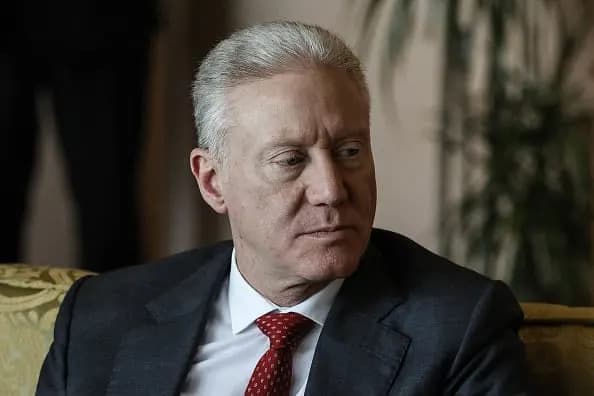
Lebanese Foreign Minister Youssef Rajji looks on during a meeting with his Moroccan counterpart in Rabat on May 21, 2026. (photo credit: Abdel Majid BZIOUAT / AFP via Getty Images)
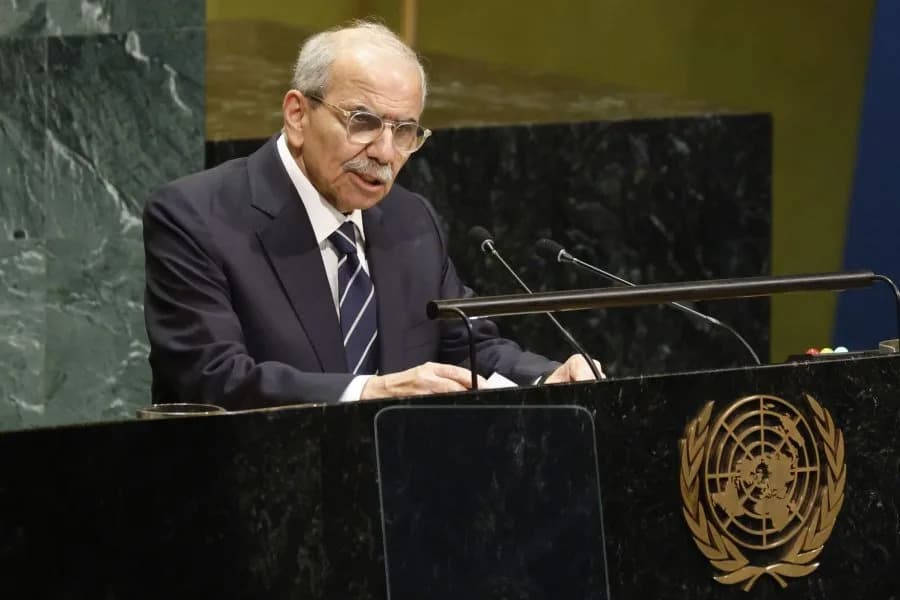
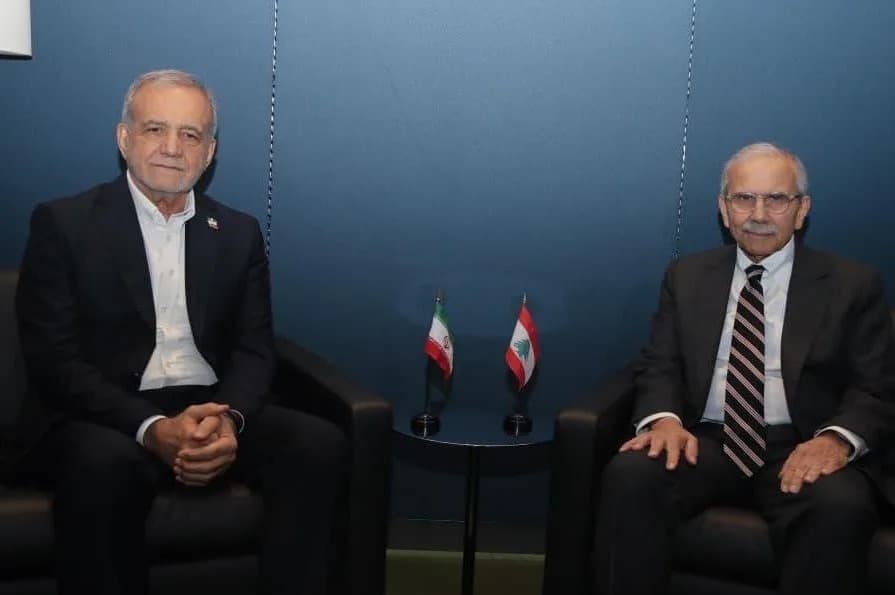
Lebanese Foreign Minister Youssef Rajji has been carrying out ministry duties from home after receiving security warnings tied to his vocal calls for Hezbollah to disarm, the Beirut daily An-Nahar reported. Sources close to Rajji said concerns about his safety prompted the move and led him to request enhanced protection.
According to the report, Rajji informed senior officials about the warnings, including the president and the prime minister. About two months ago, amid heightened tensions in Beirut and concerns about potential infiltration of government buildings, he was advised not to attend the Foreign Ministry in person. Sources described the ministry building as relatively exposed with limited access routes, which they said could make it easier to track or target the minister’s movements.
Continuing Duties Remotely
Since then, Rajji has continued to run the ministry from home and to maintain his diplomatic engagements, while formally requesting additional security measures. A day before the story appeared in An-Nahar, Rajji publicly acknowledged he had stopped going to the Foreign Ministry because of "security warnings," though he did not specify the source of those warnings.
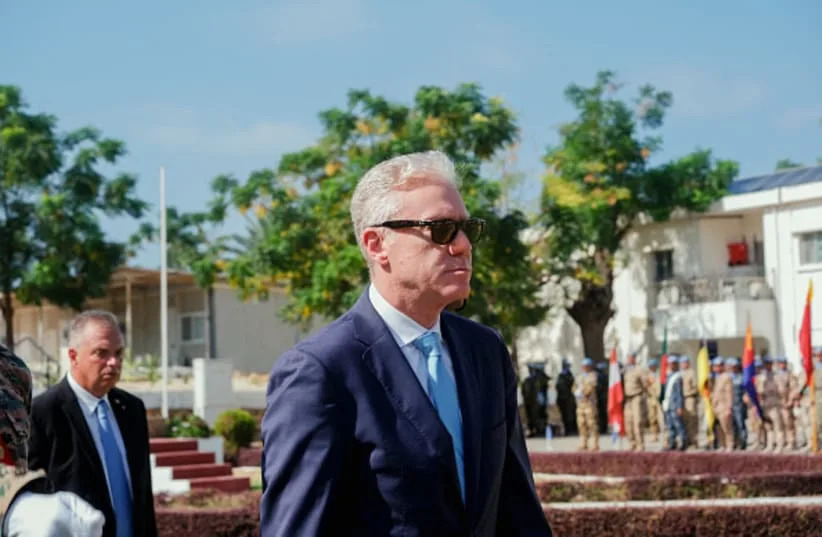
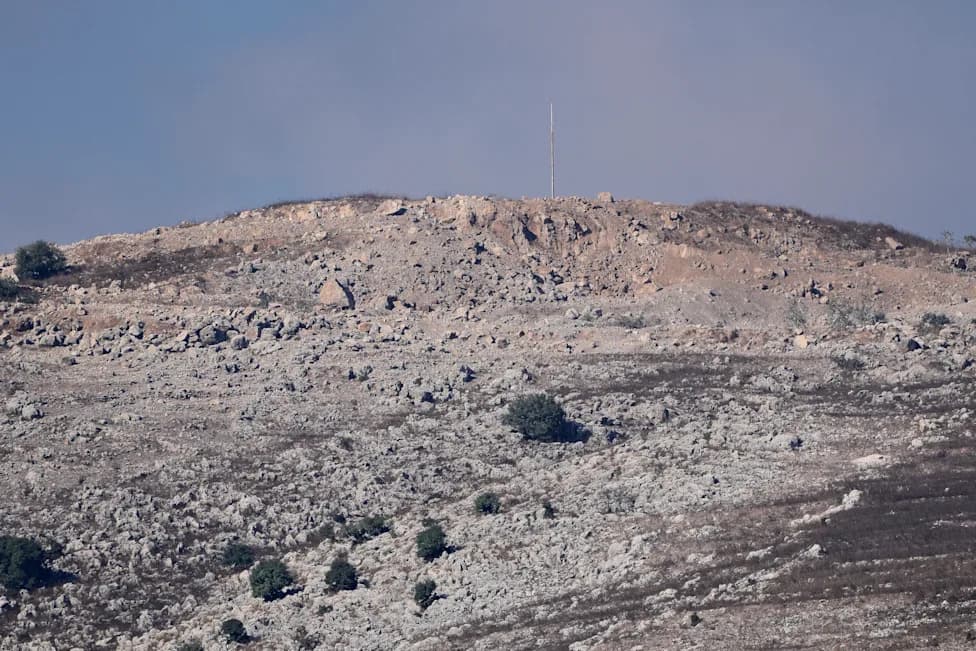
Lebanese Foreign Minister Youssef Rajji visits the headquarters of the United Nations Interim Force in Lebanon (UNIFIL) in Naqoura, southern Lebanon, on October 24, 2025, touring border villages and the Blue Line aboard a UNIFIL helicopter as part of efforts to assess the security situation along th (credit: Courtney Bonneau / Middle East Images via AFP)
Photograph caption: Lebanese Foreign Minister Youssef Rajji visits the UNIFIL headquarters in Naqoura, southern Lebanon, on October 24, 2025, touring border villages and the Blue Line by UNIFIL helicopter (credit: Courtney Bonneau / Middle East Images via AFP).
Political Context
Rajji has been one of the government’s most outspoken critics of Hezbollah in recent months, calling the group an armed, illegal proxy and urging that its weapons be handed over to the state. In July he said Hezbollah was "Iranian in its orientation and not Lebanese in its identity." His stance comes as the Lebanese cabinet this year adopted measures aimed at strengthening the state's monopoly on arms and, in March, ordered an end to Hezbollah's military and security activities and the transfer of its weapons to state control.
Former MP Wehbe Katicha, affiliated with the Lebanese Forces, blamed Hezbollah for creating an atmosphere of intimidation: "Hezbollah is responsible for everything; it threatens and issues warnings, and no one dares put it on trial."
While critics immediately blamed Hezbollah for the warnings, An-Nahar's report did not present direct evidence that Hezbollah itself issued the threats. The exact origin of the warnings remains unconfirmed.
What’s next: Rajji has asked for stepped-up security as he continues to press for enforcement of government decisions aimed at disarming non-state actors. The episode underscores the heightened sensitivity and political polarization in Lebanon over Hezbollah's weapons and role in the country.
Help us improve.