Lebanese Prime Minister Nawaf Salam told the U.N. General Assembly that Lebanon is working to prevent a security vacuum in the south if UNIFIL's mandate lapses at year‑end, calling for either an extension or a new U.N.‑backed force to preserve monitoring and communications. He urged Israel to withdraw to internationally recognized borders, demanded prisoner releases, the return of displaced people and reconstruction of devastated areas, and linked Lebanon's stability to broader regional calm. Salam also pushed for Security Council reform, including expanded representation and limits on the veto in cases of grave international crimes.
Lebanon Warns Of Security Vacuum In South If UNIFIL Exits At Year‑End
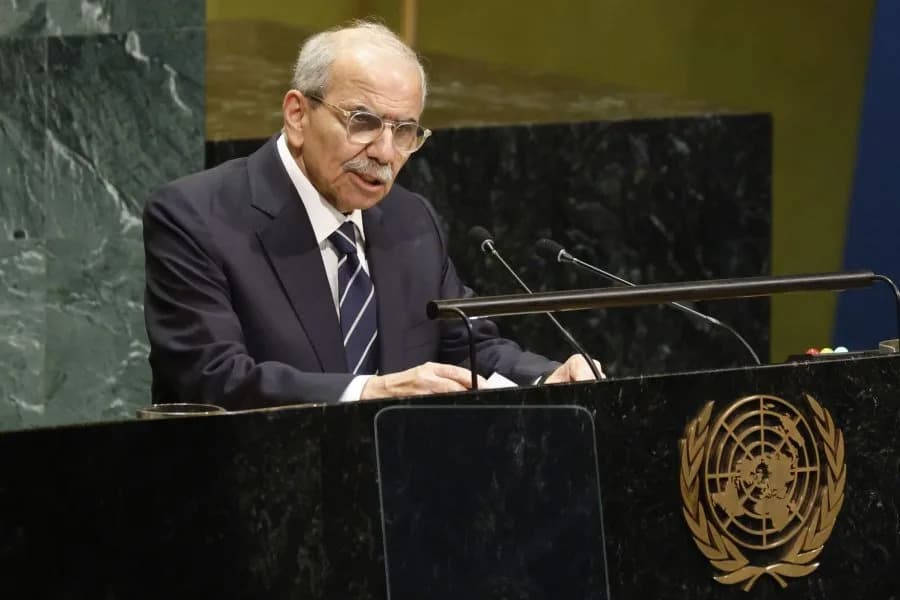
Lebanese Prime Minister Nawaf Salam speaks at the United Nations General Assembly 81st session General Debate at United Nations Headquarters in New York City on Friday. Photo by John Angelillo/UPI
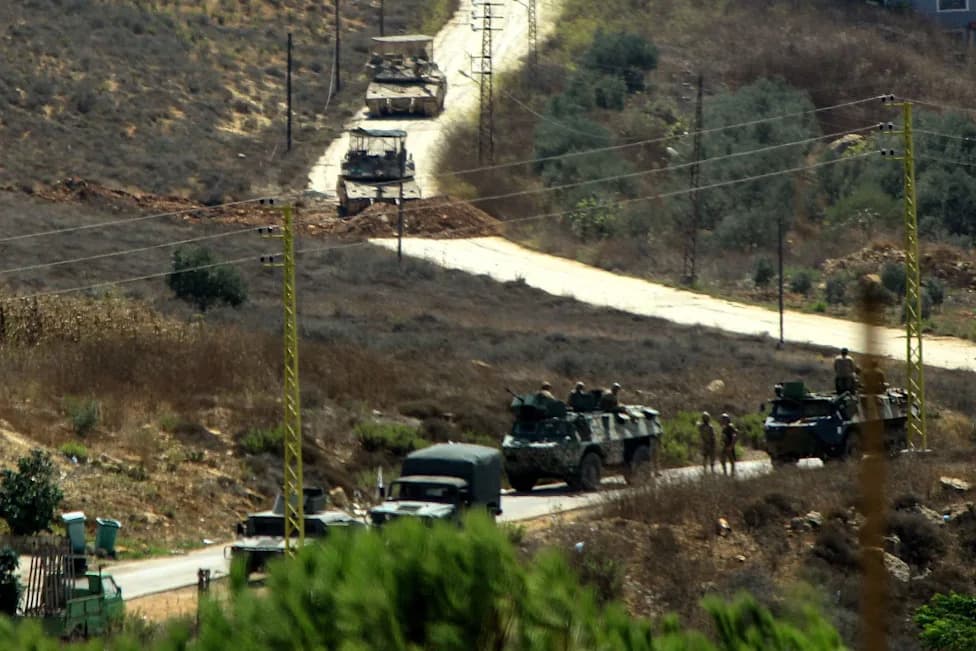
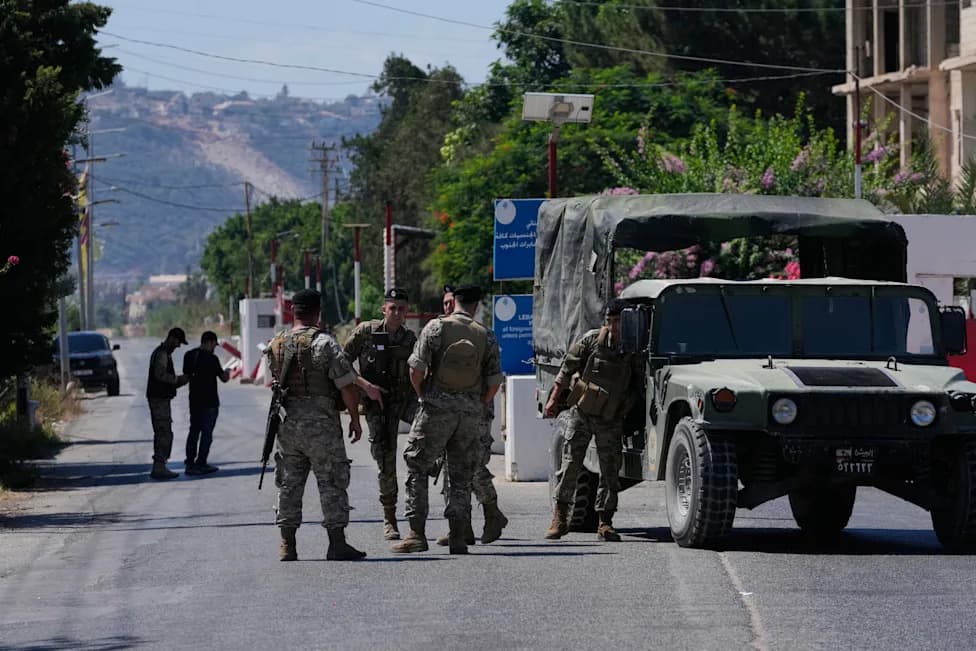
Lebanese Prime Minister Nawaf Salam told the U.N. General Assembly that Lebanon is seeking urgent measures to prevent a security vacuum in southern Lebanon if the U.N. Interim Force in Lebanon (UNIFIL) withdraws when its mandate expires at the end of the year.
Speaking in New York, Salam warned of 'the vacuum that could result from the withdrawal of UNIFIL forces if it were to take place without an agreement on a new international force to replace them.' He called for either an extension of UNIFIL's mandate or the establishment of a new international force under U.N. auspices to preserve monitoring, reporting and communications along the border.
Preserving Stability And Supporting A Framework
Salam said any replacement arrangement must sustain UNIFIL's functions while supporting the U.S.-sponsored tripartite framework signed by Lebanon and Israel on June 26, which aims to end the nearly three‑year conflict between Israel and Hezbollah. Beirut has been negotiating with Israel 'to achieve arrangements' that would consolidate a ceasefire and allow Lebanon to restore full sovereignty.
He urged Israel to withdraw to Lebanon's internationally recognized borders in line with the 1949 Armistice Agreement and U.N. Security Council Resolution 1701, and demanded the release of Lebanese prisoners, the safe return of displaced residents to their villages and the reconstruction of areas devastated by heavy strikes.
Human Cost And Damage
According to Lebanon's Health Ministry, Israeli attacks since Oct. 8, 2023, have killed 8,953 people and wounded 30,649, including 4,386 killed and 12,413 wounded since March 2026. The assaults have caused widespread destruction to property and infrastructure, with about 70 border villages in southern Lebanon reduced to rubble and rendered uninhabitable.
Regional Context And U.N. Reform
Salam linked Lebanon's stability to broader regional stability, saying there can be 'no sustainable stability in Lebanon without sustainable stability in our region.' He also stressed that Lebanon's future must not be 'decided on its behalf' or used as a bargaining chip in talks conducted without Lebanese participation.
Turning to U.N. reform, the prime minister called for changes beginning with the Security Council. He argued the council's composition remains 'a prisoner of a historical moment' and urged expansion to provide more equitable representation, including permanent seats for Africa and the Arab world. Salam also proposed restricting veto use in cases of genocide, war crimes, crimes against humanity and serious violations of international humanitarian law.
Salam concluded by urging the international community to 'shoulder its responsibilities' in upholding Lebanon's sovereignty and ensuring implementation of relevant international resolutions as negotiations continue.
Help us improve.