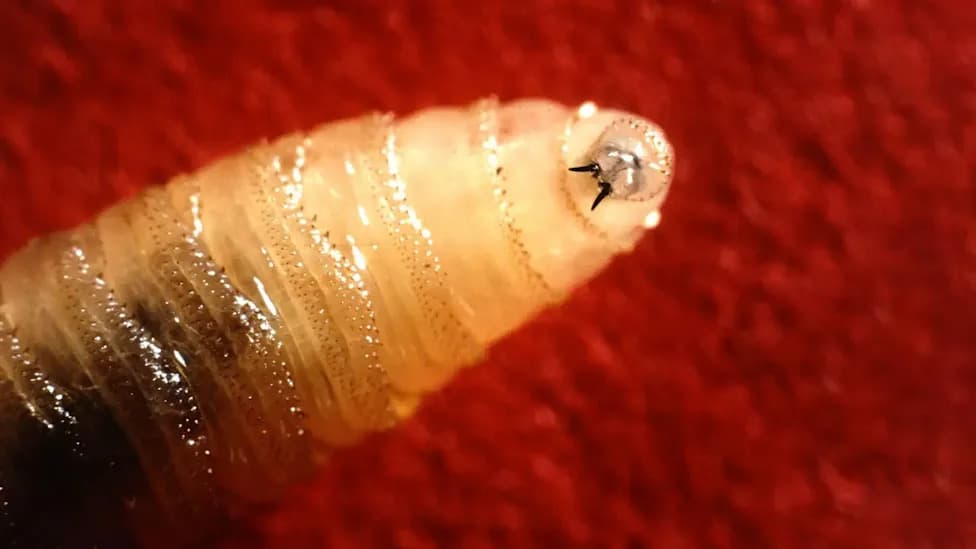
Researchers in Germany found that Zophobas morio larvae (superworms) can remove soft tissue from animal remains in hours to days without harming bones. The July 1 PLOS One study tested eight species and identified an effective density of about 283–425 larvae per ounce for rapid cleaning. Superworms are reusable for months and can remain in a nonbreeding larval state, making them a potentially lower‑risk, lower‑cost option to complement — not necessarily replace — traditional methods like dermestid beetles, boiling or chemical cleaning.
Superworms Strip Flesh From Skeletons in Hours — A Faster, Low‑Risk Tool for Museums
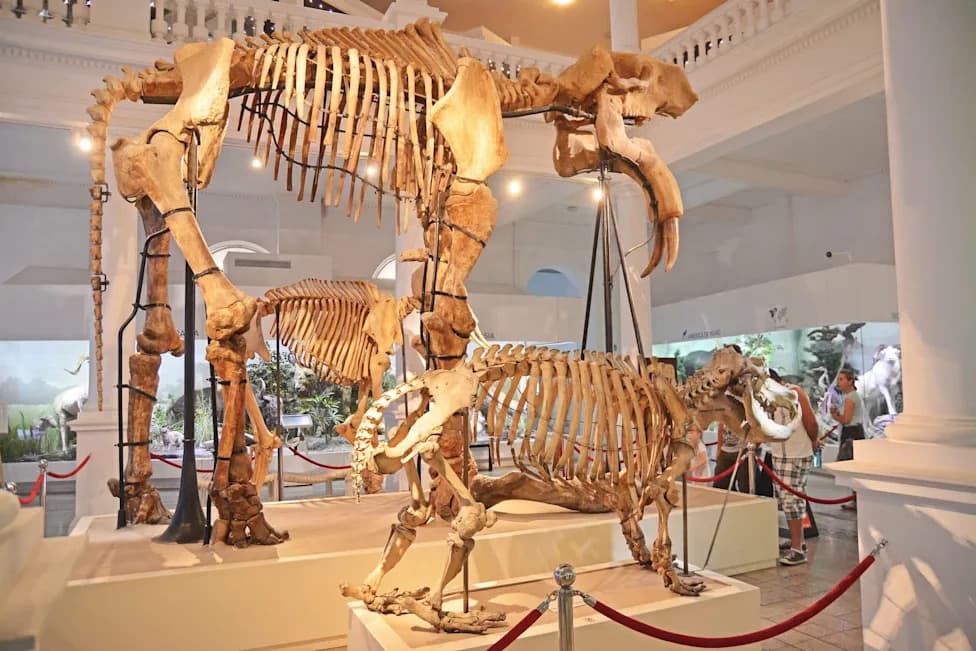
Photo Credit: iStock
Museum staff and researchers may have an unexpected new assistant for one of natural history’s least glamorous but essential jobs: removing soft tissue from carcasses without damaging the bones beneath. A team in Germany reports that larvae of the beetle Zophobas morio — commonly called superworms — can clean remains in hours to days, offering a faster, lower‑maintenance alternative to some traditional methods.
Study Details
The study, published July 1 in PLOS One, tested the larvae on eight species, including a gray wolf, an Egyptian fruit bat, a Eurasian eagle owl, a house mouse and an alligator gar. Researchers began each preparation by removing skin and internal organs; for larger specimens they briefly softened tissues by boiling before introducing the larvae. Trials indicated an effective density of about 283–425 superworms per ounce of carcass for rapid cleaning without observable bone damage.
Why Museums Might Care
Traditional preparation methods — chemicals, prolonged boiling, or dermestid beetle colonies — all involve tradeoffs such as increased labor, energy use or risk to fragile specimens. Superworms offer several practical advantages: they work quickly, require minimal infrastructure, and are reported to be reusable for months. Unlike dermestid beetles, Zophobas morio larvae can remain in the larval stage for many weeks when kept in groups, which reduces the likelihood of an uncontrolled breeding population spreading through a collection.
Practical Notes and Limits
Researchers stress that superworms are an additional option, not a wholesale replacement for existing techniques. Specimens typically require initial skinning and evisceration, and some larger carcasses benefit from brief boiling to loosen tissue. Collections managers should run small pilot tests to confirm that the method suits their specimens and curatorial standards.
“Superworms are really fast compared to other traditional methods. They are more environmentally friendly and their maintenance is super easy,” said Niloofar Alaei Kakhki of the State Museum of Natural History Stuttgart, as reported in press coverage of the study.
Broader Context
The discovery arose partly by chance: researchers who kept the larvae to feed injured birds noticed how quickly the worms stripped a leftover chicken bone. Beyond specimen preparation, Zophobas morio have attracted research interest for unusual diets, including experiments on plastic degradation — illustrating how an unexpected observation can open new practical applications.
Bottom line: Superworms look promising as a cost‑effective, lower‑risk tool for preparing skeletons, but institutions should validate the method against their preservation standards and specimen types before widespread adoption.
Help us improve.