The German Economic Institute (IW) warns that without immigration eastern Germany's working-age population could fall by 22.4% by 2045, versus a 17.4% decline nationally. The region's workforce could shrink from about 7.7 million to roughly 6 million, with Mecklenburg-Vorpommern and Saxony-Anhalt hit hardest. Shortages would especially affect jobs that are difficult to automate — such as care workers, craftsmen and doctors — and risk triggering renewed emigration and a damaging economic feedback loop.
Study Warns Eastern Germany Could Lose Over One-Fifth Of Workers By 2045 Without Immigration

FILE PHOTO - Harvest workers pick ripe strawberries from the plants in a field in Germany's Saxony-Anhalt. (is associated with: «Without migration, eastern Germany to lose many workers») Heiko Rebsch/dpa
A major German economic research institute has warned that, without immigration, the working-age population in eastern Germany could shrink dramatically by 2045 — raising urgent economic and social concerns for the region.
Key Findings
Projected decline: The German Economic Institute (IW) estimates that eastern Germany would lose 22.4% of its potential workforce by 2045 if there is no immigration, compared with a projected 17.4% decline nationwide. The IW defines working age as people aged 15 to 66.
Numbers at stake: Today about 7.7 million people of working age live in eastern Germany; under the no-immigration scenario that total would fall to roughly 6 million.
Regions most affected: The states of Mecklenburg-Vorpommern and Saxony-Anhalt are expected to suffer the largest proportional losses.
Economic and Social Consequences
IW researchers caution that severe workforce shortages would undermine local economies' ability to provide services and sustain growth. Shortfalls will be felt most acutely in occupations that are hard to automate, including care workers, hairdressers, skilled craftspeople and doctors.
"If a region is massively short of workers, the economy can no longer provide for the population," the IW researchers said.
The institute also warns of a demographic worst-case scenario: a renewed wave of emigration similar to the 1990s, driven by declining economic opportunity and attractiveness. That could trigger a damaging feedback loop of fewer workers, weaker economies, reduced appeal for young people and still more departures.
Political Context
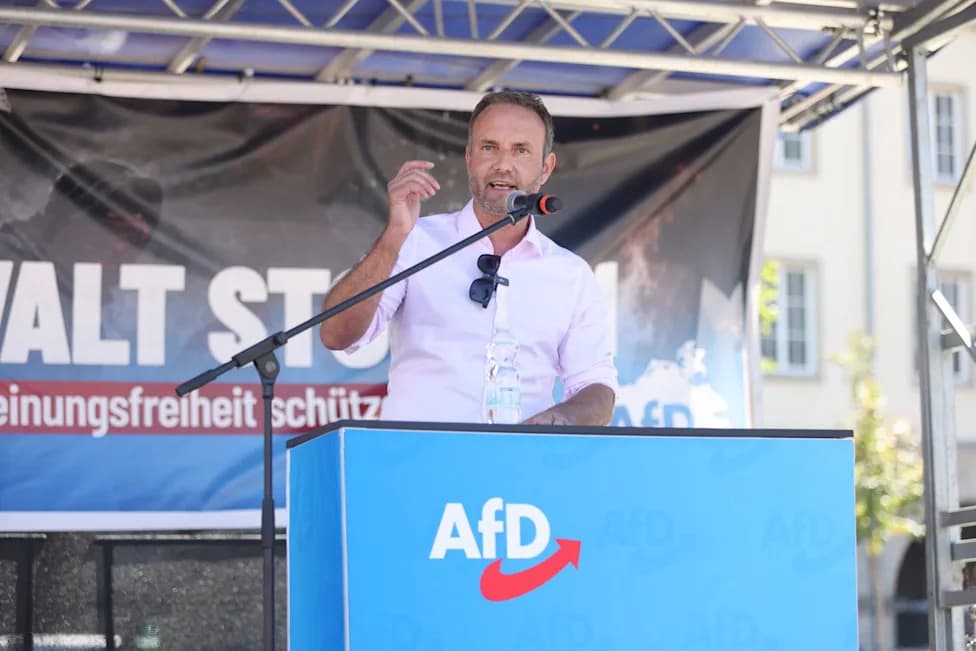
The report was released ahead of state elections in which the anti-immigration Alternative for Germany (AfD) is expected to make gains. In Saxony-Anhalt the party is even forecast to contend for an unprecedented absolute majority, a development the IW suggests could further complicate regional responses to demographic challenges.
Implications
The findings underline a clear policy choice: to maintain workforce levels and protect regional economies, eastern Germany will likely need inward migration along with measures to retain and attract younger residents and support automation-friendly investments where feasible.
Help us improve.