Israel's recent strike in Syria underscores an ongoing pattern of Israeli operations aimed at limiting Iranian influence and preventing hostile forces from entrenching near its borders. After Assad's fall in December 2024, Israel extended its campaign into buffer zones and local political maneuvers, increasing the risk of confrontation with Turkey, which has re-engaged with Damascus. Reports of Turkish deployments near Aleppo and Israeli warnings have heightened tensions, while the United States urges restraint and diplomacy to prevent escalation.
Israel and Turkey Maneuver in Syria: Rising Rhetoric, Risk of Wider Clash
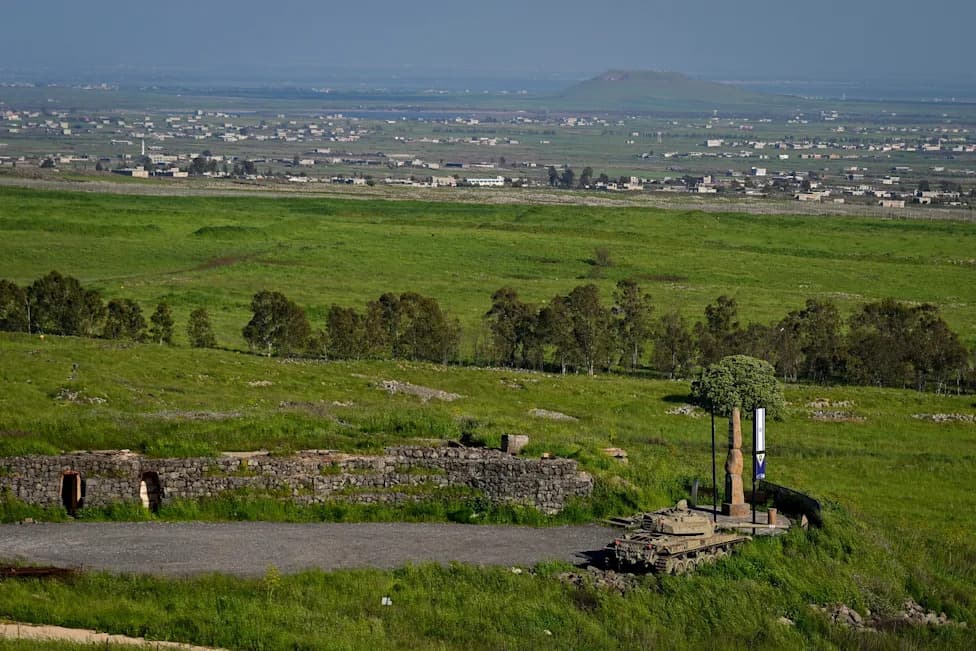
View of the Israeli border area with Syria, as seen from the northern Golan Heights, April 11, 2026. (photo credit: MICHAEL GILADI/FLASH90)
Israel's recent airstrike in Syria has reignited tensions with Turkey and highlighted a broader, long-running pattern of Israeli operations inside Syrian territory. Jerusalem carried out thousands of precision airstrikes in the years leading up to the fall of the Assad regime in December 2024 — a campaign often described in Israeli discourse as the "Campaign Between the Wars." Those strikes targeted Iranian entrenchment and weapons transfers to Hezbollah, demonstrating both the utility and the limits of air power.
Rather than recalibrating after Assad’s fall, Israeli policy largely continued along the same trajectory: limited strikes, efforts to blunt perceived threats, and the creation of buffer zones along Israel’s borders. That mission creep expanded to include political and security support for local actors — notably some Druze leaders in Suwayda — and greater willingness to challenge the new Damascus leadership. Those moves have widened Israel’s operational scope in Syria and increased the risk of friction with Ankara.
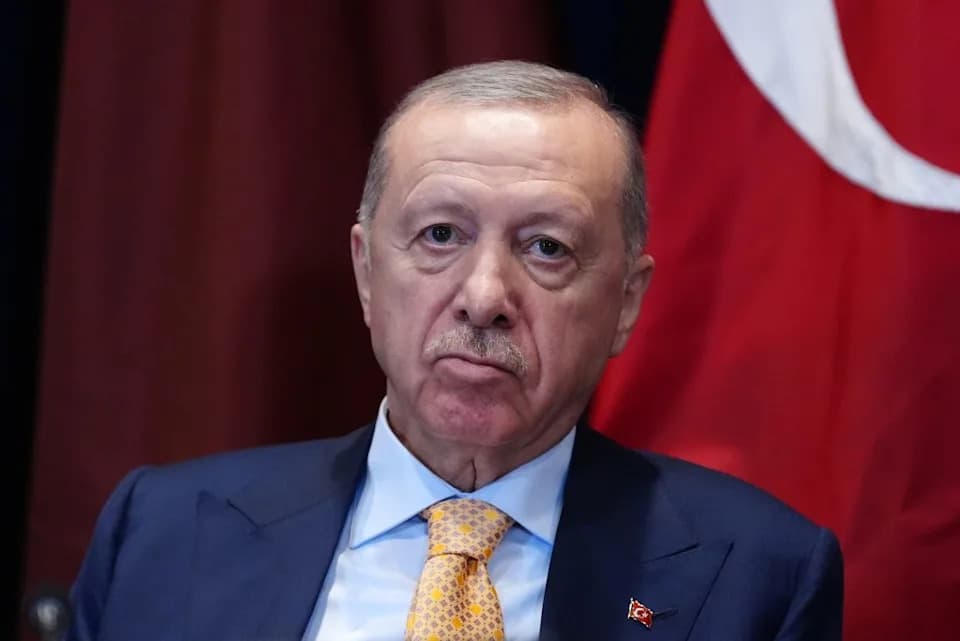
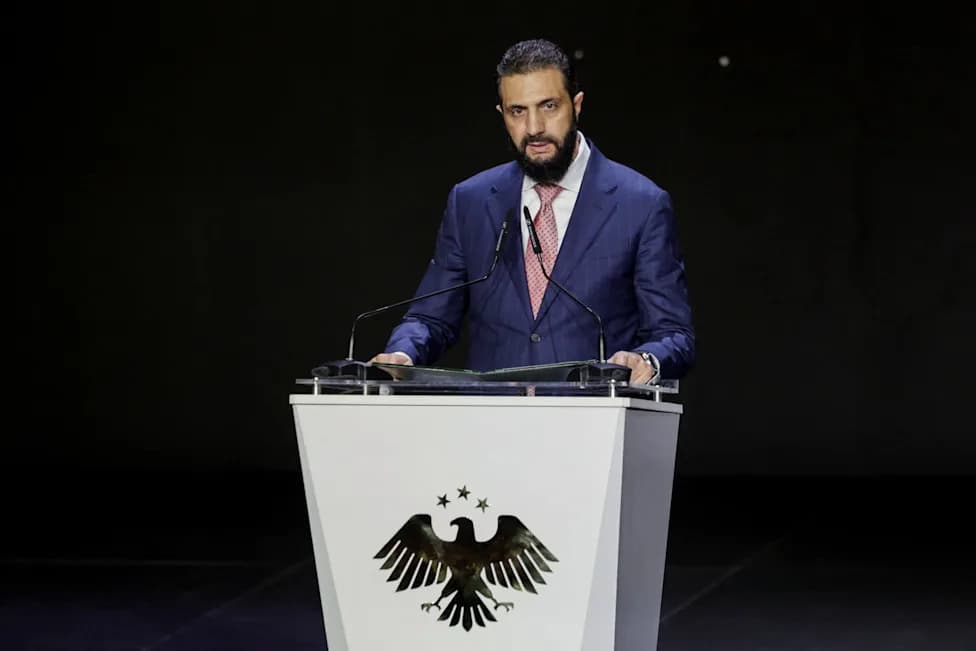
Turkey’s posture shifted after the fall of Assad. Ankara, which previously supported various rebel groups and launched cross-border operations against Kurdish forces, moved to engage and recognize the new government of President Ahmed al-Shara'a. Saudi Arabia, Qatar and other regional actors followed suit, and Washington reopened diplomatic channels, including high-level meetings with Damascus. Turkey’s engagement in Syria — now including reports of deployments near strategic sites such as air bases around Aleppo — has alarmed Israeli officials who say such presences would breach a post-Assad security "status quo."
Warnings and Military Signals
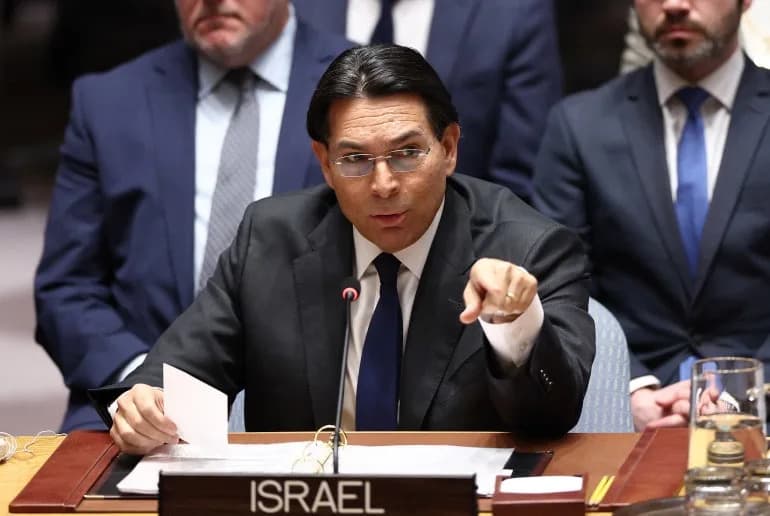
Israel’s Prime Minister’s Office warned that Turkish deployments at an Aleppo-area airbase would threaten Israeli security. Israel’s Chief of the General Staff inspected the Security Zone and emphasized vigilance: "We will not allow hostile forces to establish themselves on our borders" and must remain ready across multiple fronts. Israeli leadership frames these measures as preventive — designed to stop the development of terrorist capabilities and to avoid the emergence of significant hostile military force near Israel’s frontier.
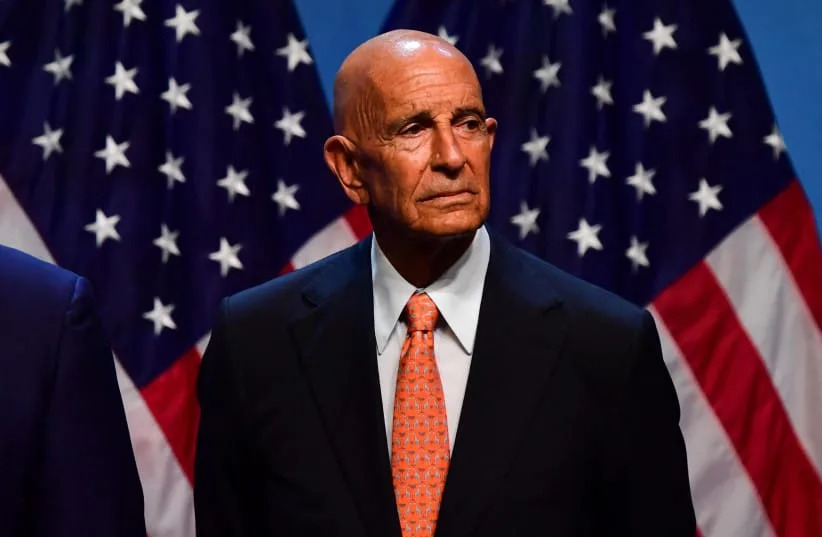
S Ambassador to Turkey Tom Barrack accompanies US President Donald Trump (not seen) during a press conference following the annual NATO Summit at Presidential Complex in Ankara, Turkey on July 8, 2026; illustrative (credit: Altan Gocher / Hans Lucas / AFP via Getty Images)
Ankara’s Calculations and Regional Politics
Turkey has sought to downplay the threat of direct confrontation. Turkish officials and media have suggested Israeli strikes may be influenced by domestic politics in Israel, including elections. Foreign Minister Hakan Fidan has issued sharp warnings about moves that might undermine a Gaza agreement and signalled Ankara’s willingness to coordinate with partners such as Qatar and Egypt to preserve that deal.
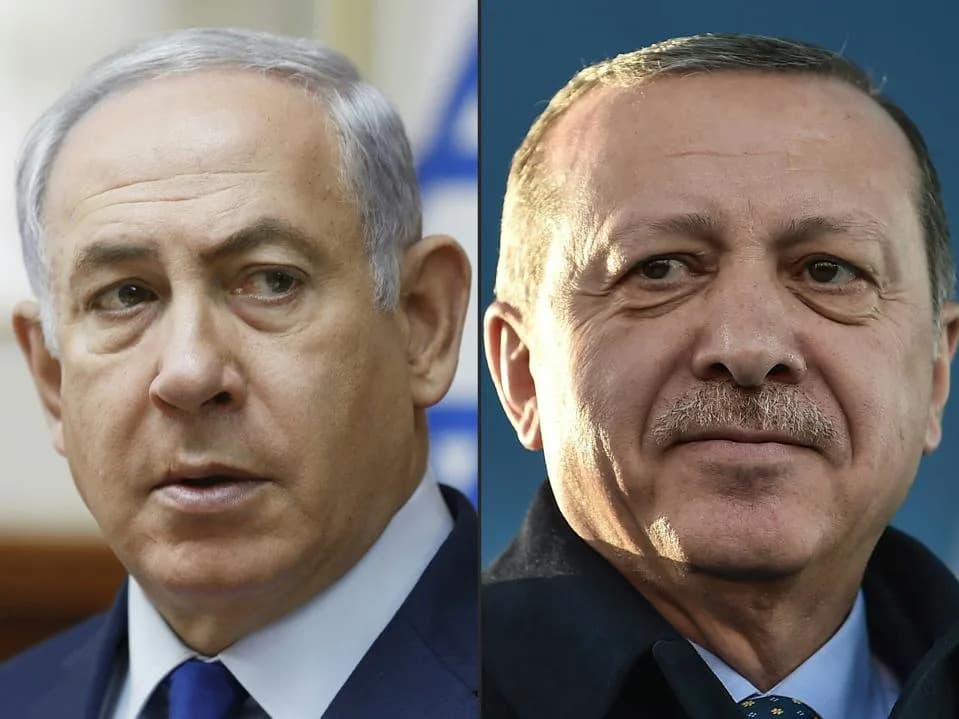
Observers also note ideological and political parallels between Ankara and Jerusalem: both governments are led by right-leaning coalitions with nationalist and religious dimensions, and both tend to view regional rivals in Manichean terms. In Jerusalem, some analysts frame Turkey’s Syria engagement as part of a potentially resurgent Sunni axis — described by some as a Muslim Brotherhood-linked bloc — that could compete with the Iranian-led network of influence in the region.
De-Confliction, Risks, and Washington's Role
Israel historically coordinated de-confliction with Russia during the Assad era, and contacts between Jerusalem and Moscow helped manage—but did not eliminate—incidents. If Turkey expands permanent military footprints near strategic Syrian sites, Israel views that as a red line that could provoke military responses. The United States has publicly urged restraint: U.S. envoy Tom Barrack warned that strikes such as those on Abu al-Duhur Airbase risk unnecessary escalation and called for diplomatic engagement over kinetic action.
"The United States continues to believe that restraint and engagement offer the more constructive course. We encourage all parties to prioritize logical discourse over further military incidents." — Tom Barrack, U.S. Ambassador to Turkey
The future trajectory of Israel-Turkey interaction in Syria remains uncertain. Damascus appears pragmatic and wary of direct confrontation; Ankara is cautious about escalating with a nuclear-armed regional rival. Still, Jerusalem’s growing military posture and insistence on operational freedom in Syrian airspace keep open the possibility that a localized dispute could escalate into a broader clash — particularly if Turkish deployments near strategic locations are perceived by Israel as permanent or threatening.
Help us improve.