The Onward report, supported by Kemi Badenoch, argues that cancelling planned Scottish wind farms and their transmission links could save about £320bn between 2030 and 2050 and lower average household bills by roughly £540 a year. It proposes shifting investment toward gas-fired and nuclear plants in England and targets an 80% decarbonisation pathway rather than 95%. Critics — including the Energy Secretary and industry groups — say the plan risks locking Britain into fossil fuels and that renewables paired with storage and grid upgrades remain the lowest-cost long‑term option.
Badenoch Says Ditching Net Zero Could Cut Household Bills by £540 — Onward Urges Shift to Gas and Nuclear

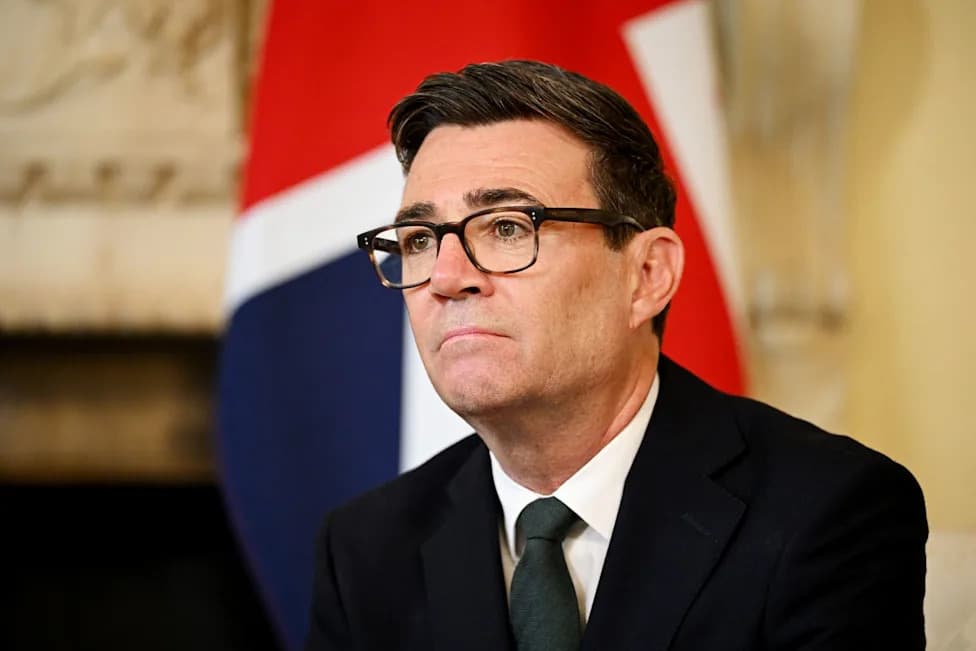
A new study endorsed by Kemi Badenoch said that scrapping new wind farms would save £320bn - Getty
Kemi Badenoch has argued that abandoning Labour's net zero targets could reduce the average British household's energy bill by about £540 a year. The claim is based on a new analysis, backed by the Tory leader, which recommends scaling back planned northern wind developments and instead investing in gas-fired and nuclear power closer to demand centres in England.
What the Report Says
The report, published by the centre‑right think tank Onward and produced by consultancy Transira Energy, estimates that cancelling planned Scottish wind farms and the long-distance transmission links to connect them could save roughly £320 billion between 2030 and 2050. Onward models an alternative pathway that targets about 80% decarbonisation rather than the 95% aim favoured by some policymakers.
Ed Hezlet, the report's author, says the alternative plan would curb further expansion of wind in the far north and prioritise building or replacing gas-fired stations and new nuclear capacity mainly in southern England, where demand is highest. Onward recommends increasing UK gas-fired capacity from roughly 35GW today to about 45GW.
Costs, Grid Needs and Controversy
Onward highlights the cost of expanding the high-voltage transmission network required to carry power from remote wind sites to England's cities, estimating that build-out at around £137 billion. The think tank argues that avoiding this grid expansion is the principal driver of its projected savings.
"Britain needs a serious plan to deal with climate change. Seriousness means looking at results, not simply setting targets and congratulating ourselves afterwards," Ms Badenoch said.
"Current net zero targets have driven up energy costs, weakened our industrial base, and made us more dependent on energy imports," she added. "Our plan means using our own oil and gas in the North Sea, removing unnecessary costs from energy bills, and backing nuclear and renewables that can provide cheap, clean, abundant energy for homes and businesses."
The proposal has sparked sharp pushback. Energy Secretary Miatta Fahnbulleh warned the approach would "tie Britain to the fossil fuel roller-coaster and keep bills higher for families." Environmental groups and many industry bodies say expanding gas would lock in emissions and risks undermining long-term decarbonisation goals.
Industry voices also dispute Onward's conclusions on cost. Adam Berman of Energy UK said renewables, nuclear and storage remain the best route to a low-cost system, while Renewable UK's Ana Musat warned that the UK faces the loss of about 15GW of capacity from ageing nuclear and gas plants by 2030 and that new wind is among the cheapest options to fill that gap.
Where This Leaves Policy
The report has opened a renewed debate about how to balance near-term affordability and long-term climate commitments. Supporters argue the Onward plan would lower bills and reduce reliance on imported energy; critics counter that it risks higher emissions and that properly accounted system costs still favour renewables combined with storage and grid investment.
Help us improve.