Researchers report that New York city raccoons are exhibiting behavioral and subtle physical shifts—such as snouts about 3.6% shorter—that some interpret as early signs of self‑domestication. Urban conditions (fewer predators, abundant food and shelter) helped populations grow roughly twentyfold from the 1930s to the late 1980s. Experts warn of disease and safety risks, advise securing food and entry points, and strongly discourage keeping raccoons as pets.
City Raccoons Show Early Signs Of Self‑Domestication — And Why That Matters
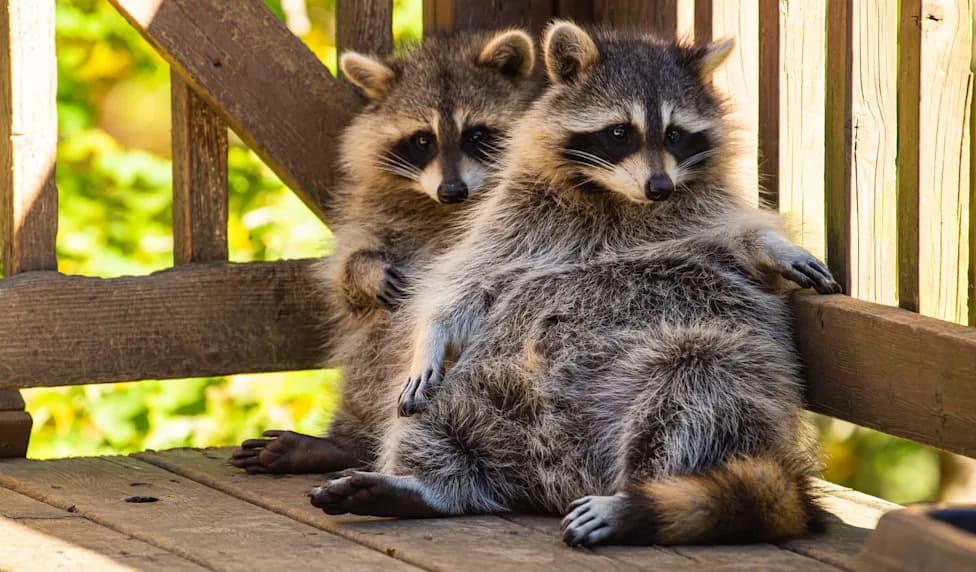
Photo Credit: iStock
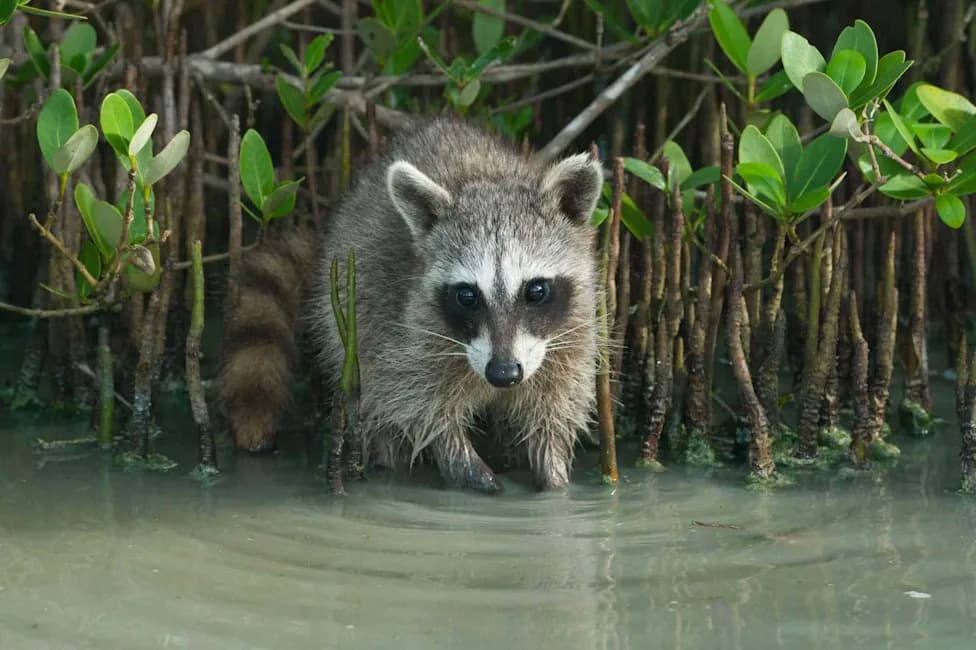
Urban raccoons in New York are showing subtle physical and behavioral changes that some scientists say resemble the earliest stages of self‑domestication. Researchers warn the trend reflects how wildlife adapts to human environments—and why residents should take precautions to avoid risky encounters.
What Researchers Found
Scientists have documented that raccoons living in cities are often bolder, more social and less fearful of people than their rural counterparts. A study published in Frontiers in Zoology reported that urban raccoons have snouts about 3.6% shorter than those of rural animals — a small but measurable morphological shift some researchers interpret as an early marker of domestication.
"We've ended up with animals that don't run away from us, and instead come sit on our patio furniture," said Suzanne MacDonald, an animal psychologist at York University, describing how some city raccoons have grown unusually tolerant of humans.
Why Cities Favor Raccoons
Human-driven changes have helped raccoon populations expand. Urbanization reduced populations of large predators like wolves, coyotes and bobcats, while cities and suburbs offer abundant food and shelter — garbage, gardens, attics, sheds and discarded leftovers. Raccoons' dexterous paws let them open containers and unlatch gates, creating near-ideal conditions for thriving. Between the 1930s and the late 1980s, raccoon numbers rose roughly twentyfold in many areas.
Risks To People And Pets
Closer contact with raccoons carries real health and safety risks. Raccoons can transmit rabies, leptospirosis and the raccoon roundworm (Baylisascaris procyonis), which can cause serious illness in humans and pets. The Atlantic reported a Long Island resident who repeatedly found raccoons entering her home; she received two rounds of rabies shots after accidental scratches.
Practical Steps To Reduce Conflicts
Experts emphasize that human behavior influences these interactions. To reduce attraction and habituation, follow practical steps:
- Secure trash cans with tight lids or raccoon‑proof containers.
- Keep pet food and compost sealed and stored indoors when possible.
- Close off entry points to attics, porches and sheds; repair holes and seal gaps.
- Never intentionally feed raccoons or other wild animals.
- If you encounter an aggressive or sick animal, contact local animal control—do not attempt to handle it.
Not Pets
Scientists and wildlife biologists caution strongly against keeping raccoons as pets. Captive raccoons can be destructive and bite; they may not adapt well to confinement and can pose long‑term risks to people and other animals. As biologist Nessie O'Neil warned, people may misinterpret research as permission to domesticate wild animals—but doing so is unsafe.
Understanding what drives wildlife into our neighborhoods—primarily food access and habituation—can help homeowners prevent conflicts and protect both people and animals.
Help us improve.