Sen. Bernie Sanders renewed his call for Medicare for All, calling the U.S. health-care system "broken" and citing a poll he says shows 64% of Americans favor universal coverage. He shared a 50-second clip from a July Minneapolis rally and urged a single-payer approach to guarantee care for every person. Democrats including Elizabeth Warren and Mark Kelly raised related concerns about consolidation and cost pressure, while Mark Cuban and Marc Andreessen discussed AI and contract transparency in health care.
Bernie Sanders Renews Push for Medicare for All, Cites 'Broken' U.S. Healthcare System and 64% Public Support
Bernie Sanders Says 'Our Current Healthcare System Is Broken,' Demands Medicare for All as 64% Back Universal Coverage
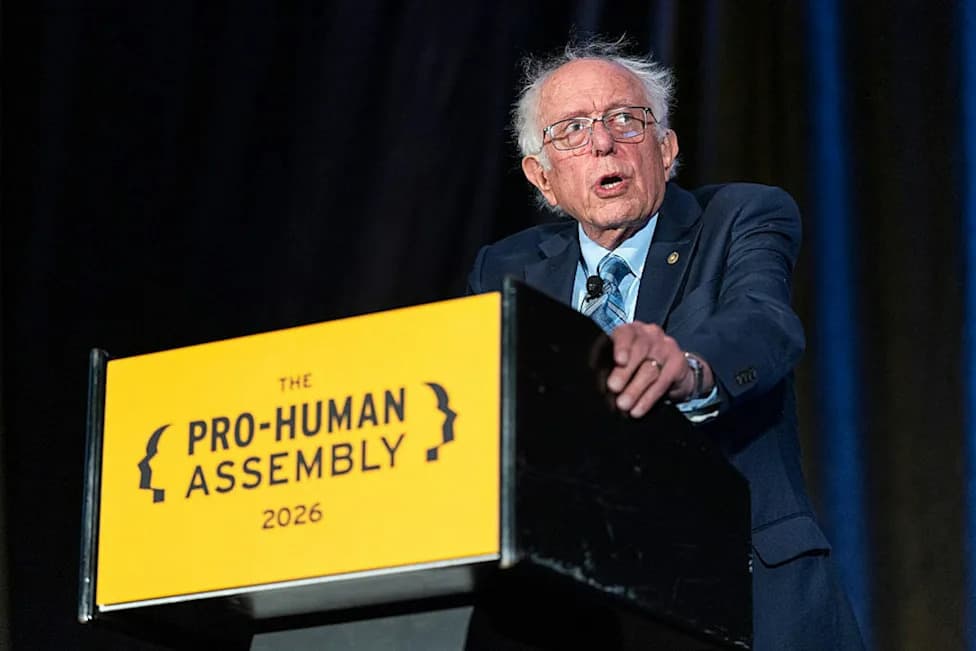
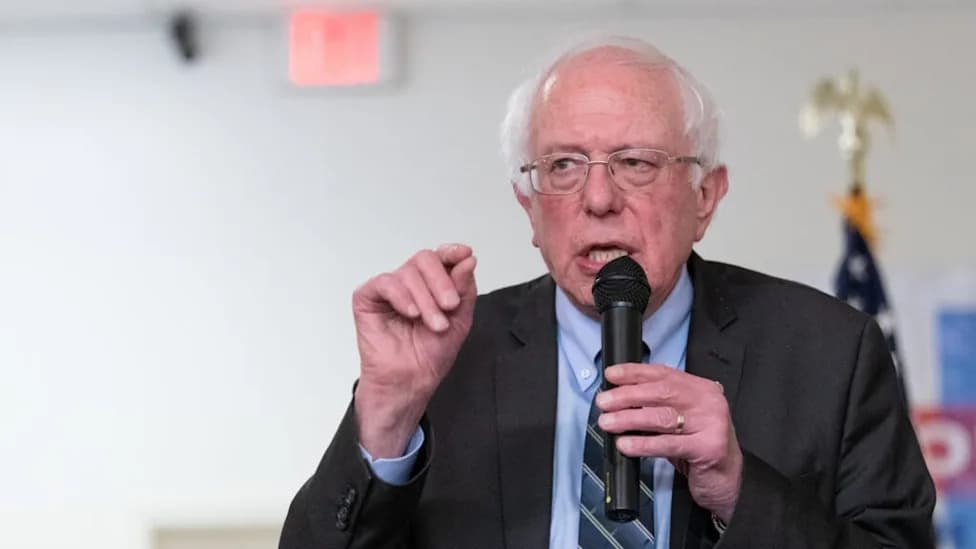
Sen. Bernie Sanders (I-Vt.) intensified his campaign for a Medicare for All single-payer system on Aug. 16, 2026, saying the U.S. health-care system is failing people and is driven by corporate profit rather than treating care as a fundamental right. Sanders posted on X and attached a 50-second clip from a July rally in Minneapolis to underscore the message.
Sanders' Message
In his post Sanders wrote:
"Our current healthcare system is broken."He criticized the influence of insurance and drug companies and cited a recent poll — which he said showed 64% of Americans support Medicare for All — adding, "They're right. Let's do it." Sanders called for guaranteed coverage for every person through a Medicare for All single-payer system.
Responses From Lawmakers
Other Democrats echoed concerns about consolidation and affordability. Sen. Elizabeth Warren (D-Mass.) warned that consolidation by companies such as UnitedHealth Group, CVS Health and Cigna gives them outsized control across the health-care supply chain, which can drive up costs and reduce competition. Warren endorsed the bipartisan Patients Before Monopolies Act, designed to curb common ownership and anti-competitive practices among insurers and pharmacies.
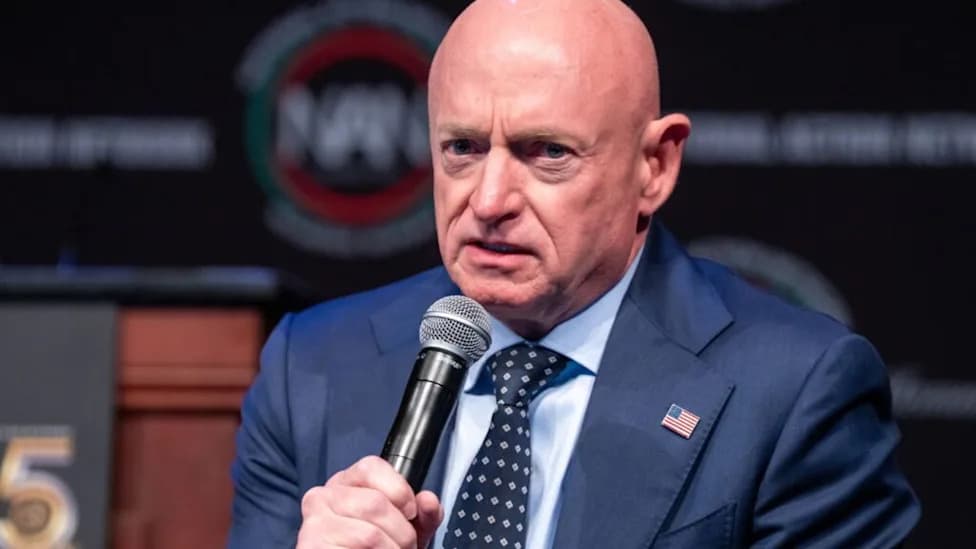
Sen. Mark Kelly (D-Ariz.) criticized proposals to cut health-care programs, arguing that lawmakers should focus on lowering costs and expanding coverage rather than reducing services people rely on.
Private-Sector Voices and AI
Private-sector figures also weighed in. Mark Cuban suggested employers may be overpaying because of complex contracts and vertically integrated provider networks, urging CEOs to use AI tools to audit contracts and reveal hidden costs. Venture capitalist Marc Andreessen praised AI's role in medicine, citing OpenAI findings that physicians identified fewer flaws in GPT-5.6's medical responses than in some physician-written responses, and saying AI is rapidly becoming a powerful tool in clinical settings.
What Comes Next
Sanders framed Medicare for All as both a moral imperative and a practical solution to rising costs and uneven access. The debate is likely to continue across Congress and in the public arena, with questions about cost, implementation, market concentration, and the role of technology in health care shaping the conversation.
Photo courtesy: Shutterstock
Help us improve.