Beacon is a wearable developed by the University of Illinois that uses non-invasive ultrasound to monitor blood flow in dialysis vascular access and alert clinicians to reduced flow. Pilot studies at Carle Foundation Hospital in Urbana will begin later this year to inform development and regulatory filings. The device—originating from Auvi Labs and a university capstone project—aims to reduce catheter use and emergency visits by enabling earlier, elective interventions. Auvi Labs targets a market launch in 2028.
Beacon Wearable: University of Illinois Device Detects Dialysis Access Failure Early
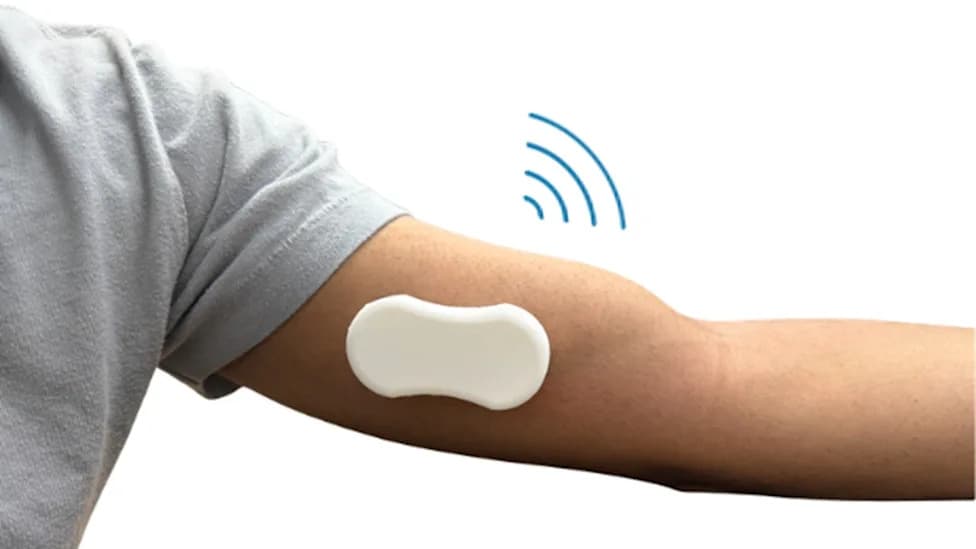
Beacon is designed to alert clinicians if blood flow is reduced
Researchers at the University of Illinois Urbana-Champaign have developed Beacon, a wearable device that uses non-invasive ultrasound to monitor blood flow through dialysis vascular access and provide early warning of access-site problems.
How Beacon Works
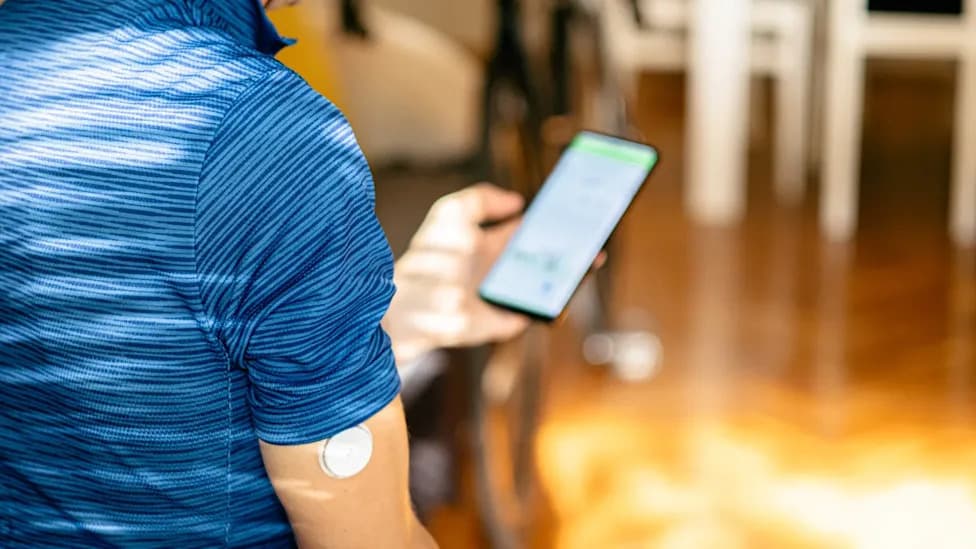
Beacon is worn once daily and employs non-invasive ultrasound to measure flow through an arteriovenous fistula or graft. Companion software analyses the collected data and can send real-time alerts to clinicians if blood flow falls below established thresholds, potentially indicating impending access failure.
Pilot Testing and Commercial Plans
Auvi Labs — a company that grew out of a med‑tech initiative at Carle Illinois and the University of Illinois — will begin pilot studies at Carle Foundation Hospital in Urbana later this year. The pilots will help refine the device and support regulatory submissions as the company moves toward a planned market launch in 2028.
Origins and Clinical Goals
Auvi Labs co-founder Dr Richie Li began developing Beacon as his Capstone Innovation project at Carle Illinois. Li notes that patients frequently present to emergency departments or clinics with thrombosed or nonfunctioning fistulas and are often unsure when problems began. Beacon was designed to provide routine surveillance on behalf of the patient without requiring trained ultrasound technicians to obtain flow measurements.
"The dream is that more fistulas make it to maturation, fewer patients need indwelling catheters, and there are fewer emergency department visits and more prompt, elective interventions," said Dr Richie Li.
Auvi Labs CEO Rishab Veldur added that the technology has matured to a point where it can "make a meaningful impact in real-world care."
What This Means For Patients
By detecting reductions in blood flow early, Beacon aims to enable earlier, elective interventions that preserve vascular access, reduce reliance on central venous catheters, and decrease emergency visits related to access failure. Initial pilot results will inform further development and the regulatory pathway.
Key facts: Beacon uses daily, non-invasive ultrasound surveillance; pilot testing at Carle Foundation Hospital starts later this year; Auvi Labs targets commercial availability in 2028 pending further testing and regulatory review.
Help us improve.