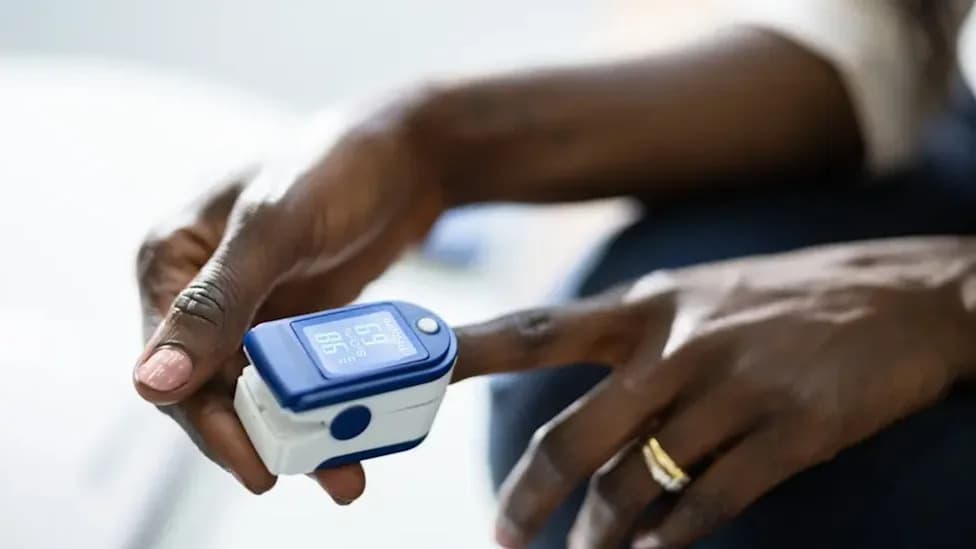
Millions of people discovered fingertip pulse oximeters during the Covid‑19 pandemic. These inexpensive devices estimate blood oxygen saturation by shining light through the skin, but recent research suggests readings can be less accurate for people with darker skin pigmentation.
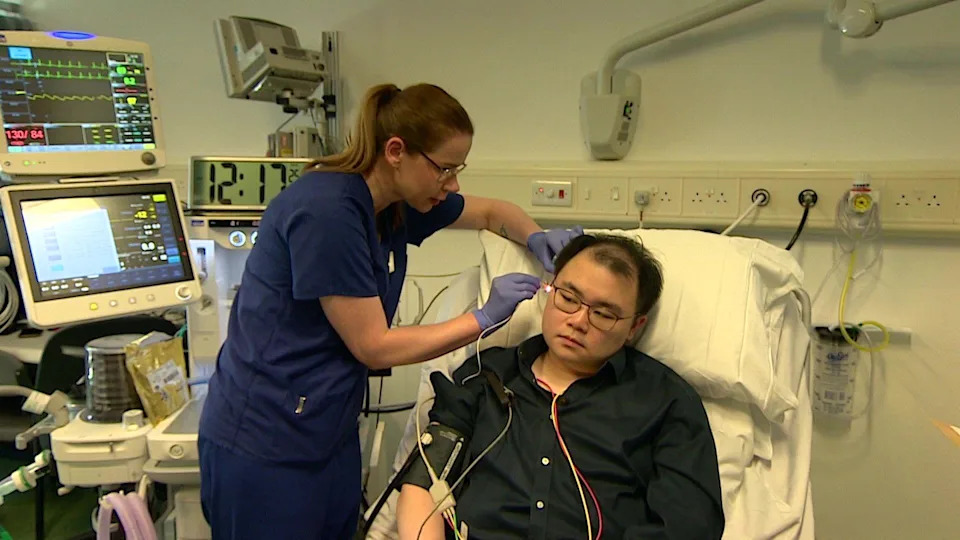
Carlos Lee was one of 29 volunteers to take part in the clinical study [BBC]
New Approach: The Ear Canal
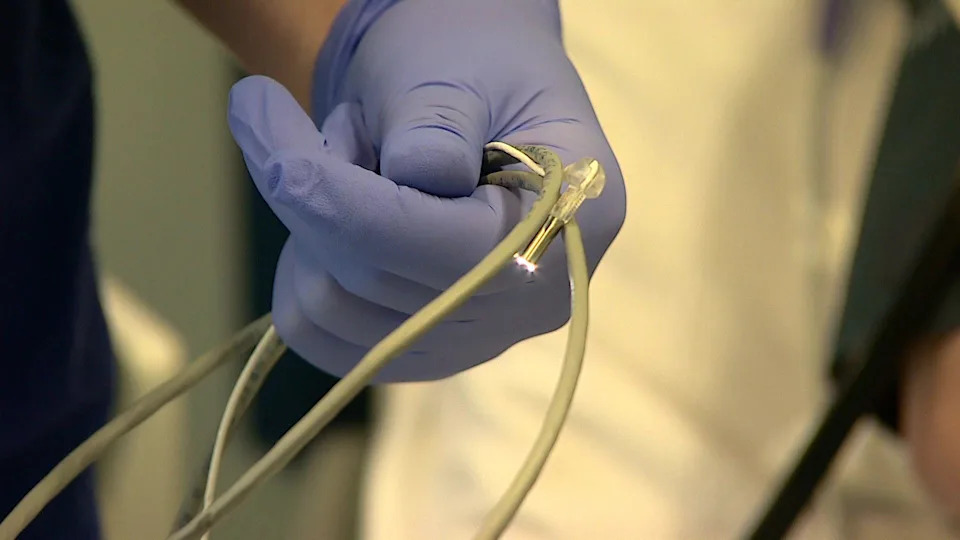
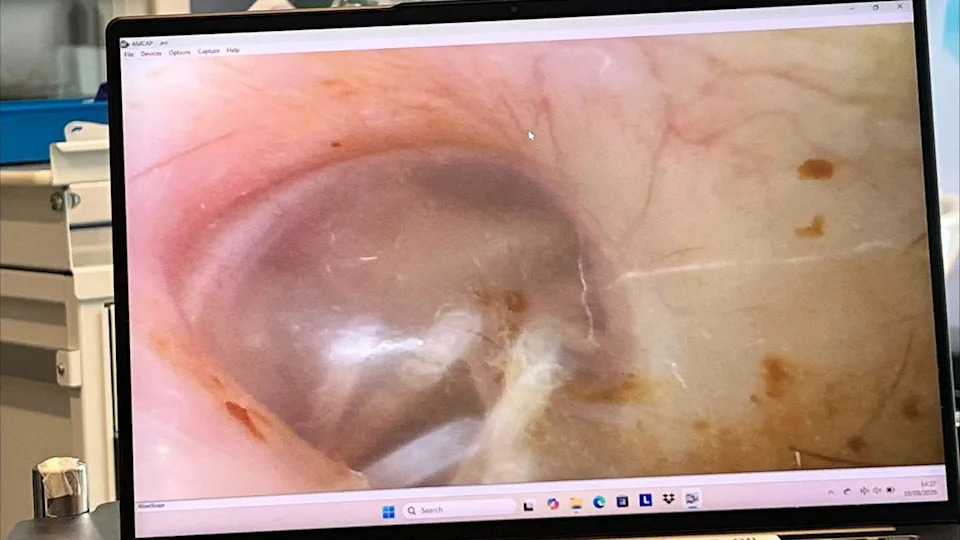
Researchers at University Hospitals Birmingham are testing an alternative: a probe from healthcare technology company EarSwitch that directs light into the external ear canal rather than through the fingertip. Developers and clinicians say the inner ear canal is typically less pigmented across ethnicities and sits closer to central blood supply, which could reduce errors caused by skin‑tone differences.
The monitor was developed by Earswitch founder, Dr Nick Gompertz [BBC]
Why This Matters
Several studies have indicated that conventional fingertip oximeters can overestimate oxygen levels in people with darker skin, especially when actual oxygen is low. That risk is more consequential when people check oxygen at home without a clinician to interpret results. Improving device accuracy for all skin tones would help ensure equitable monitoring and treatment.
The Earswitch shines light into the external ear canal rather than through the end of a finger [BBC]
Study Design and Testing
The clinical trial at University Hospitals Birmingham enrolled 29 volunteers to evaluate the EarSwitch device. Participants were safely guided to slightly reduced oxygen levels so researchers could compare device readings with arterial blood samples analysed by laboratory equipment — the gold standard for calibration. The trial followed updated international validation guidelines, which require at least 24 volunteers and a minimum number of data points (commonly 480) to demonstrate reliable performance across populations.
The inside of the ear canal was typically non-pigmented across races [Dr. Giovannie Jean-Louis]
Voices From The Trial
Carlos Lee, one volunteer, said he joined because the study addressed diversity in medical testing: "As an Asian man I wanted to contribute to research that includes a range of skin tones." Clinicians involved stressed that the work is about improving accuracy for everyone, not discrediting existing tools.
Dr. Giovannie Jean-Louis helped connect Black and Brown participants to the study [Dr. Giovannie Jean-Louis]
Where It Might Be Used
Investigators do not expect ear‑based oximetry to replace fingertip probes in every clinical situation. For example, conventional pulse oximeters remain essential in anaesthesia and intensive care where continuous, well‑established monitoring is critical. But if ear sensors prove more precise across skin tones, they could play an important role in home monitoring and other settings where equitable, reliable readings are especially needed.
Broader Significance
This trial highlights the importance of inclusive device validation and recruitment. Organizations such as the PROBr app helped recruit Black and Brown participants to ensure diverse representation. If validated, ear‑based sensors could be a practical step toward reducing medical device bias and improving outcomes for underrepresented groups.
Key takeaway: Ear‑canal pulse oximetry is a promising approach to reduce skin‑tone related inaccuracies seen with some fingertip oximeters, but larger studies and wider validation are needed before widespread adoption.