Archaeologists excavated a 43,000-square-foot site in Windisch and uncovered a first-century C.E. Roman fortified camp with a timber-and-earth wall aligned with an earlier V-shaped ditch. The team found legionary barracks, a bread oven and a blacksmith's forge that point to a workshop district inside the defenses. Finds include metal- and leatherworking tools, a Roman hand-mill base, coins from the Republic to Late Antiquity, surgical scalpel handles, a Tiberian gold aureus and a carnelian gem of Victoria. The site will be developed into the Via Romana residential community.
Lost Roman Fort Unearthed in Windisch: Legionary Camp, Bread Oven and Blacksmith's Forge Revealed
A Construction Site Hid a Lost Roman FortressMariana-Rusanovschi - Getty Images
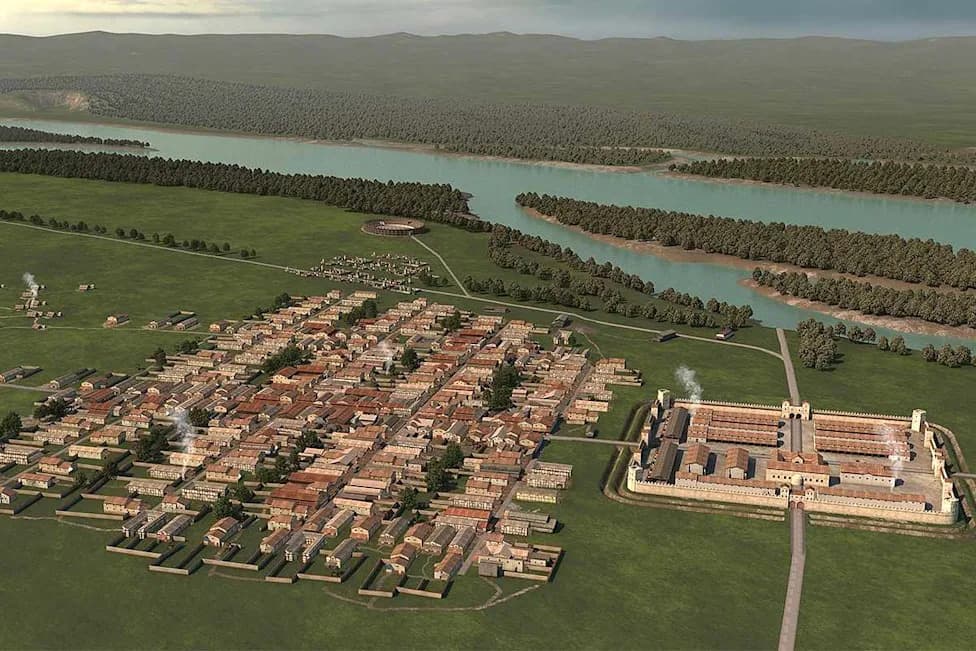
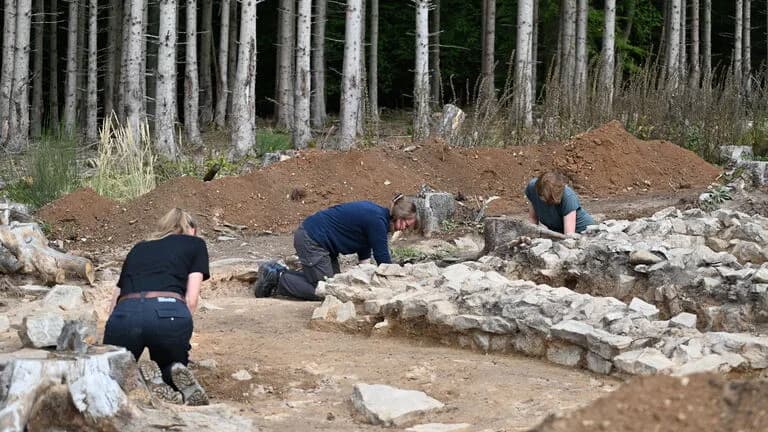
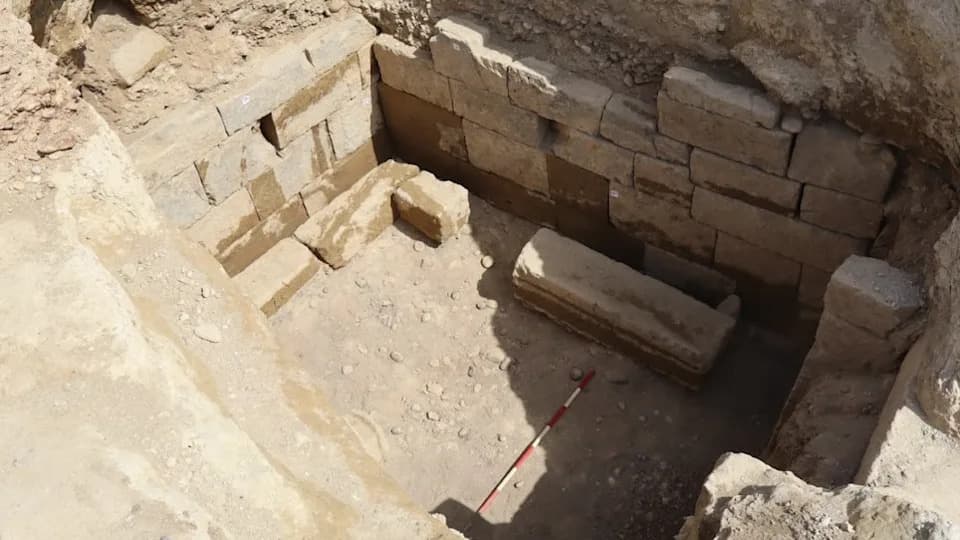
Archaeologists excavating a future housing site in Windisch, Switzerland, have exposed the remains of a Roman fortified camp and an adjacent workshop district that supplied its garrison. Over 11 months a team of 20 specialists investigated a 43,000-square-foot (≈3,995 m²) plot on Zürcherstrasse, expanding on a nearly century-old discovery and revealing details of daily life inside a first-century C.E. military fort at Vindonissa.
Discovery and Dating
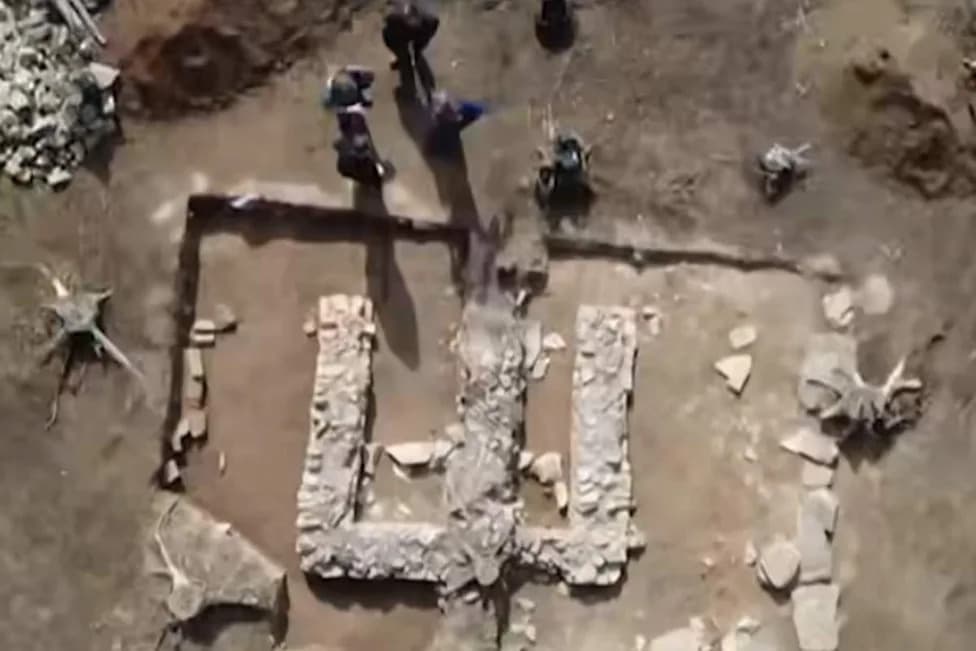
The Cantonal Archaeology Department, funded by the Canton of Aargau, built on a find from more than 90 years ago in nearby Königsfelden Park: a V-shaped defensive ditch. At Zürcherstrasse archaeologists exposed the camp's southern timber-and-earth wall running parallel to that ditch, which lies about 230 feet (≈70 m) to the south and turns northwest beyond the excavation area.
Although precise dating is difficult from surviving material, specialists attribute the wall's first construction to the early reign of Emperor Tiberius, possibly soon after 14 C.E. Vegetation patterns indicate the fortification fell out of use after its initial phase and later underwent repairs, returning to service by the fourth century.
Life Inside the Walls
Beneath a later Roman road in the western sector the team revealed a long building roughly 30 by 100 feet (≈9 × 30 m), divided into rooms and antechambers, interpreted as legionary barracks. Just inside the southern wall to the east, excavators found an oven used for baking bread and, adjacent to it, an older building containing a blacksmith's field forge. Together these features indicate a compact workshop district located immediately within the fort's defenses.
Artifacts and Small Finds
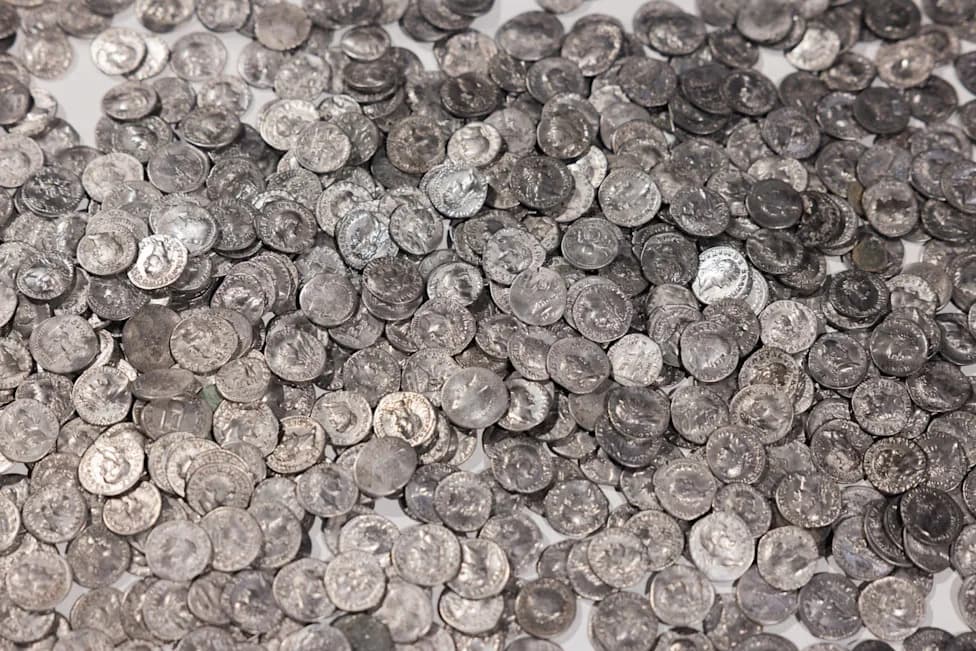
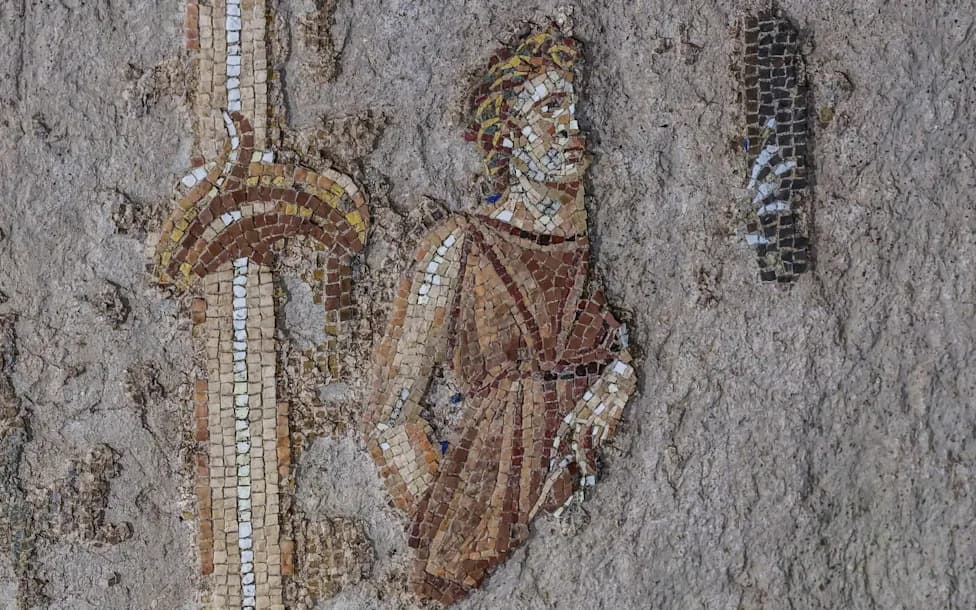
Deposits inside and outside the fort contained tools associated with metal- and leatherworking, the base stone of a Roman hand mill, and the startling recovery earlier this year of a well-preserved loaf of Roman bread. Layered debris beyond the camp yielded coins spanning the Roman Republic through Late Antiquity, two handles matching Roman surgical scalpels, and a gold aureus struck under Tiberius. A carnelian gem engraved with Victoria, the goddess of victory, was also recovered, offering a personal touch to the site's material culture.
Significance: The excavation paints a vivid picture of a frontier military installation at Vindonissa — its defenses, barracks and the crafts that kept a legion fed, shod and equipped.
With fieldwork complete, the site will be developed as a residential community named Via Romana. The excavation results, summarized in a statement from the Canton of Aargau, enhance our understanding of Roman military logistics and everyday life in this region of Switzerland.
Help us improve.