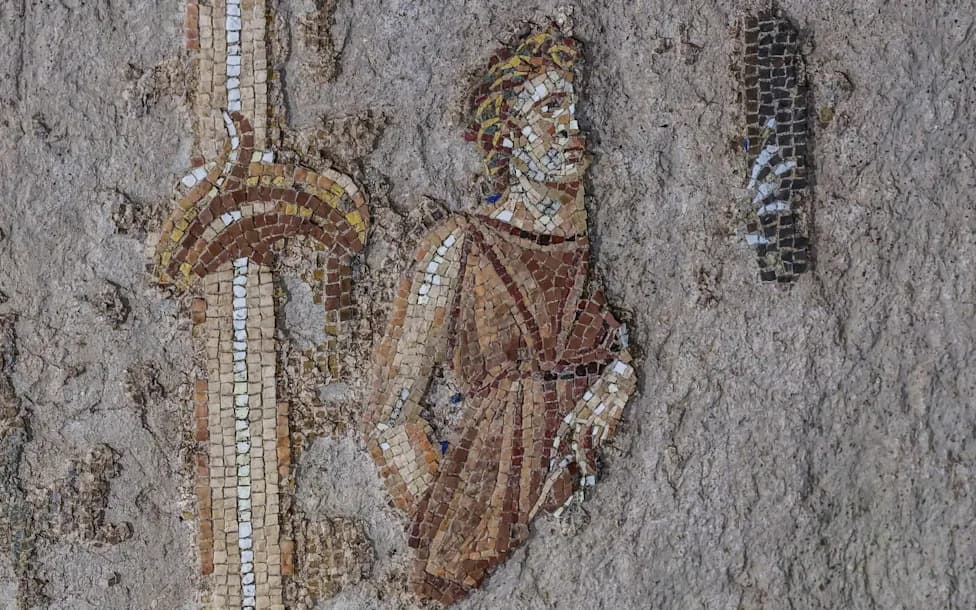
Archaeologists at the Kapersburg fort in Hesse, Germany, have uncovered a temple dedicated to Mars, confirmed by fragments of a dedicatory inscription, along with a statuette likely representing the goddess Victoria. The site, about 26 km north of Frankfurt, dates to the early second century and remained in use until around A.D. 275. Excavations beginning in 2024 revealed exceptionally well-preserved layers and a concentration of craft and service installations rather than many domestic houses. Fieldwork will continue next year to learn more about religious practice and daily life on the Roman frontier.
1,800-Year-Old Temple to Mars and Victory Statuette Unearthed at Kapersburg Fort, Germany
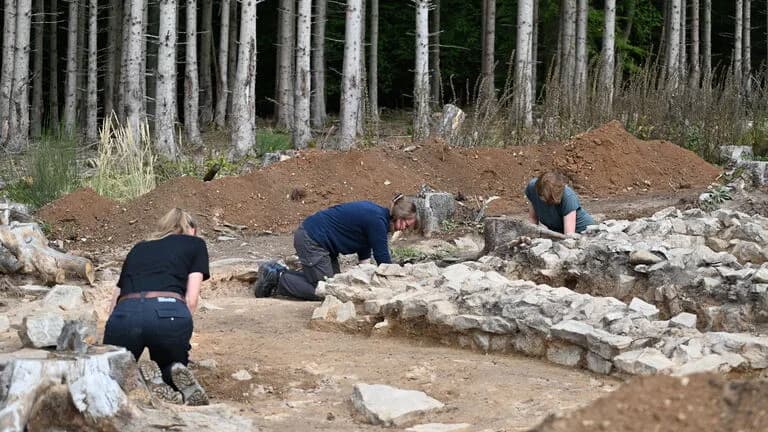
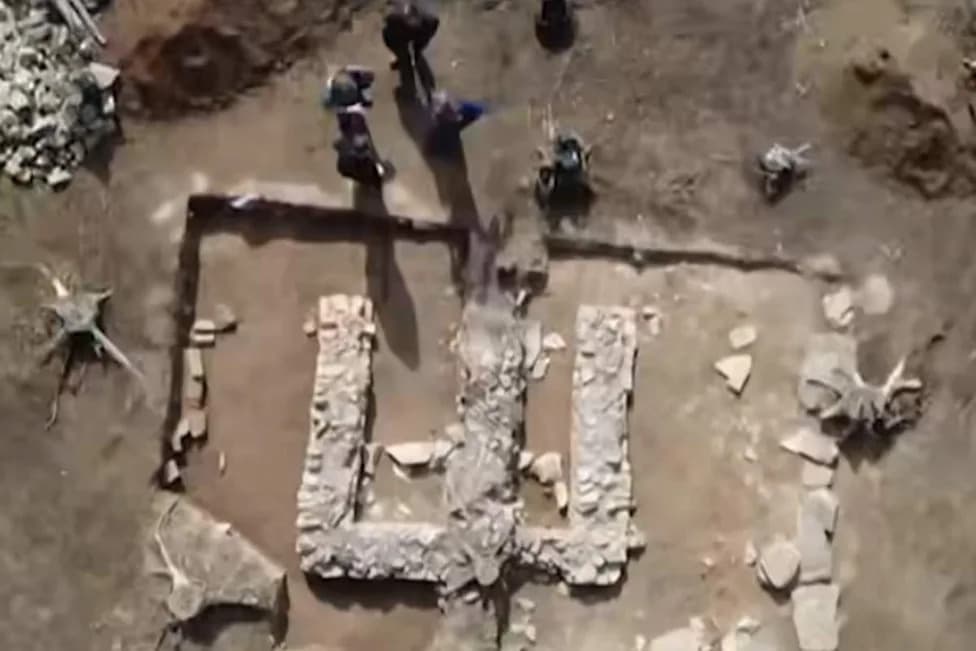
Archaeologists uncovered the temple at the edge of the current excavation area. | Credit: © Lars Görze MA, LfDH
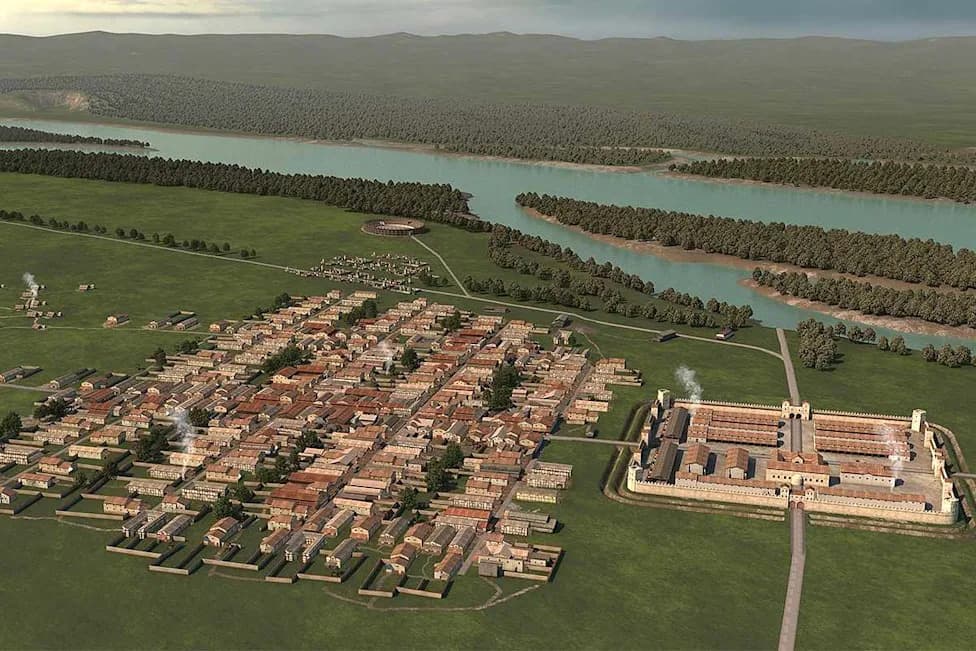
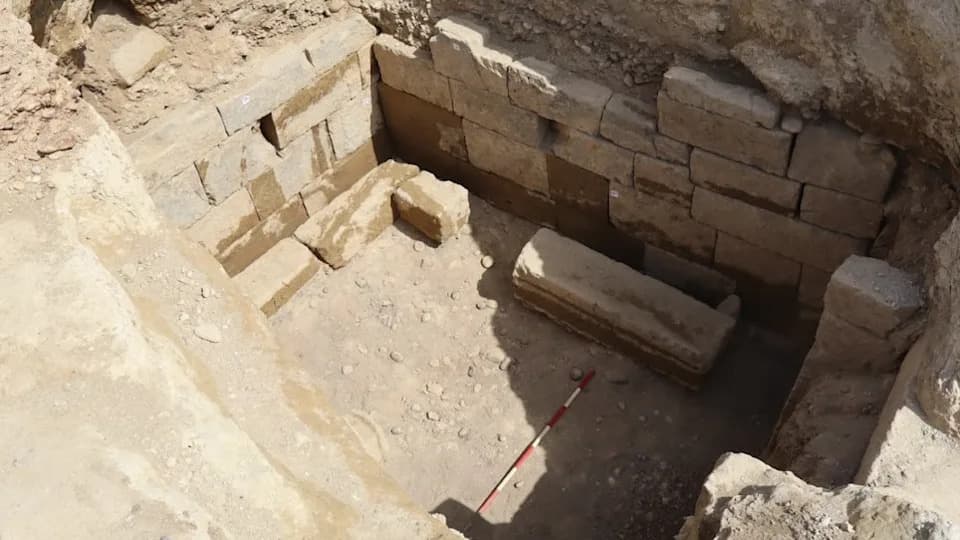
Archaeologists excavating the Roman military site of Kapersburg in the wooded foothills of the Taunus mountains in Hesse, Germany, have uncovered a temple dedicated to Mars, the Roman god of war. The sanctuary lies at the edge of the current dig and was part of a larger military settlement — a vicus — established on the empire's northern frontier.
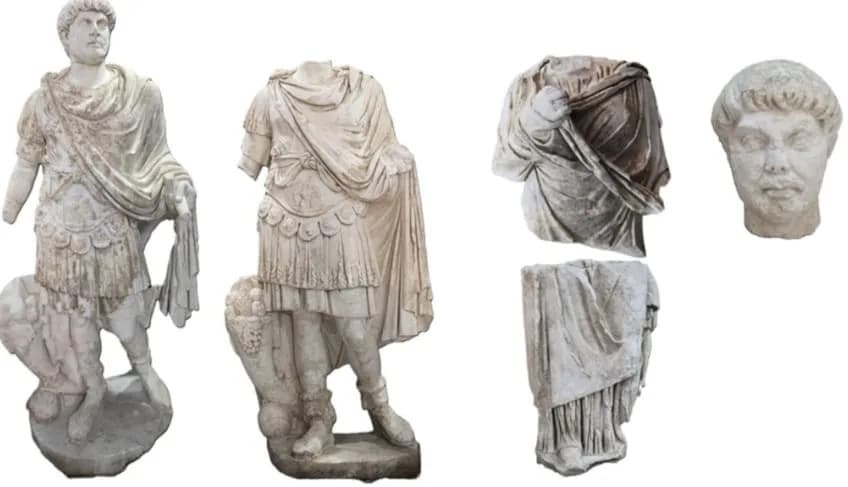
Excavations at Kapersburg began in 2024 under the direction of the Hesse State Office for Monument Preservation. The team recovered fragments of a dedicatory inscription that specialists have partially translated; the inscription names Mars as the temple's dedicatee. Archaeologists also found the remains of a statue of Mars and a small figurine of a winged figure holding a palm branch and laurel wreath, interpreted as the goddess Victoria, the personification of victory.
Context and Chronology
Earlier digs around the turn of the 20th century showed that Kapersburg was originally built in the early second century, probably under Emperor Trajan (A.D. 98–117) or his successor Hadrian (A.D. 117–138). The fort hosted infantry and cavalry detachments for roughly 150 years, until about A.D. 275, guarding the Roman border against Germanic groups.
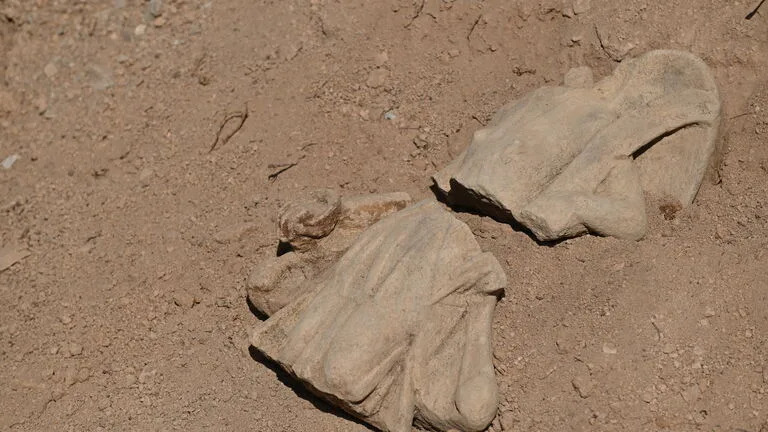
One of the important finds was a broken statuette of the goddess Victoria, the personification of victory. | Credit: © Lars Görze MA, LfDH
What the Excavation Reveals
Although the fort's defensive earthworks and some wall lines have been visible for centuries, almost nothing was known about the adjacent vicus until the 2024 excavations. Site director Kai Mückenberger of Hessen Archaeology described "exquisite preservation" of archaeological layers just beneath the forest floor, including preserved burnt deposits that rarely survive in cultivated land.
Contrary to expectations for a civilian settlement, the team uncovered far fewer house foundations and far more evidence of craft and service activity: blacksmith pits, ovens used for drying grain and baking, and other technical installations. These features suggest the excavated area served as a craft and service zone connected to the fort rather than a dense residential quarter.
"One of the highlights of this campaign is the unexpected discovery of a temple at the margin of the current excavation area," said Mückenberger in a translated statement. "Inside the temple we found several fragments of a dedicatory inscription."
Significance and Next Steps
The temple, its votive offerings and the inscription shed new light on religious life and military-religious practice on the Roman frontier. When the fort later fell out of military use, archaeologists found evidence that Roman occupiers leveled parts of the camp and constructed residential buildings in its place.
Mückenberger and his team plan to resume excavations at Kapersburg next year to expand understanding of the site’s layout, economic activities, and ritual practices. The discoveries contribute to a fuller picture of life at a frontier fort and the everyday beliefs of soldiers and civilians who lived there.
Help us improve.