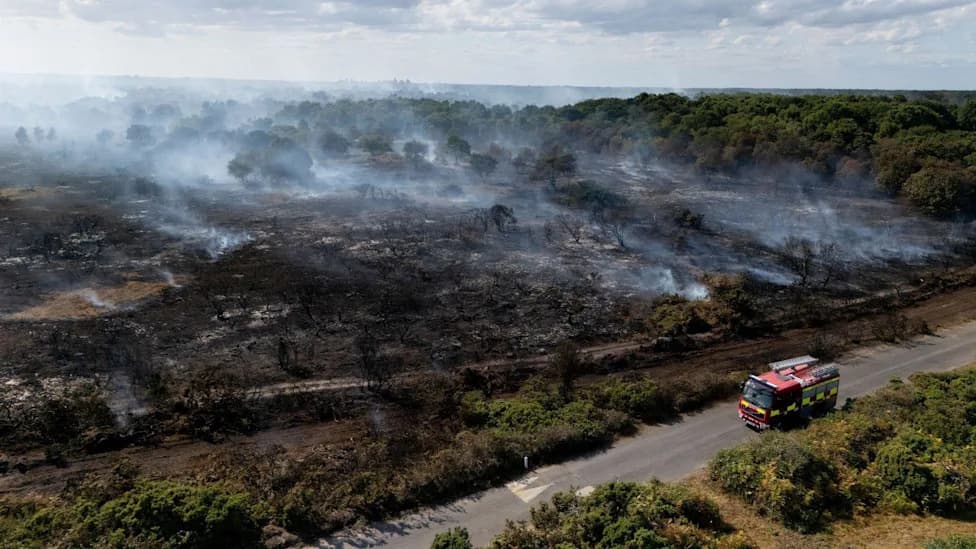
Countryside leaders say the government’s £65m drought package — split into £15m for reservoirs and £50m for the Sustainable Farming Incentive — is too small to meet urgent farm water and cash-flow needs. At estimated construction costs of £2–3m each, the reservoir funding could only support about a dozen to two dozen sites, while the CLA says 200–300 are needed. Analysts warn of mounting harvest losses and rising food costs for hospitality.
Farmers Say Burnham's £65m Drought Package Is 'A Drop In The Ocean' — Reservoir Funding Falls Far Short
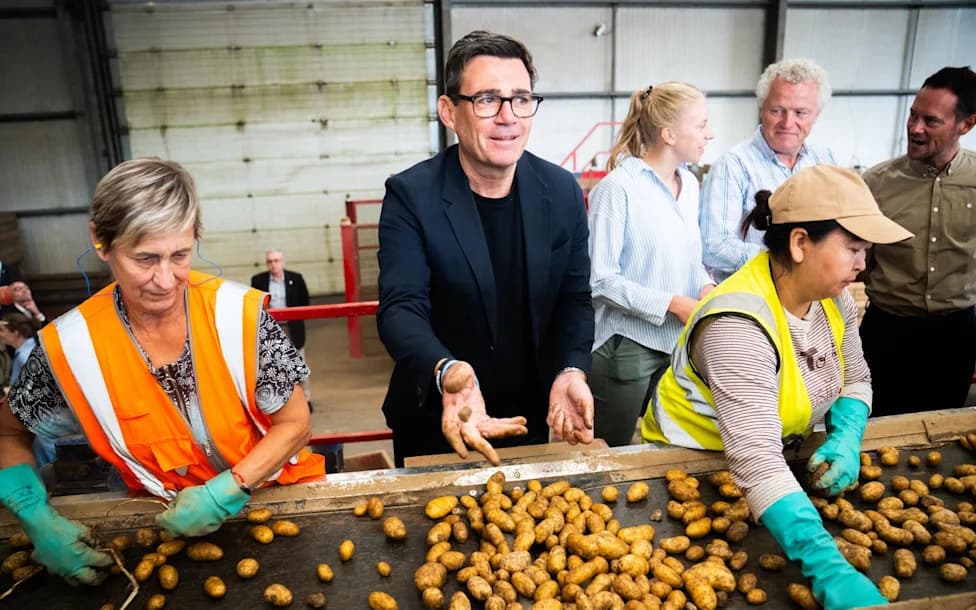
Andy Burnham announced a £65m cash package for farmers after officials declared that 71.3pc of England is in drought - James Manning/Getty Images
Andy Burnham's £65m drought package for farmers has been welcomed as a gesture but criticised by countryside leaders as far too small to address immediate water shortages and the cash-flow squeeze hitting UK farms.
What The Package Includes
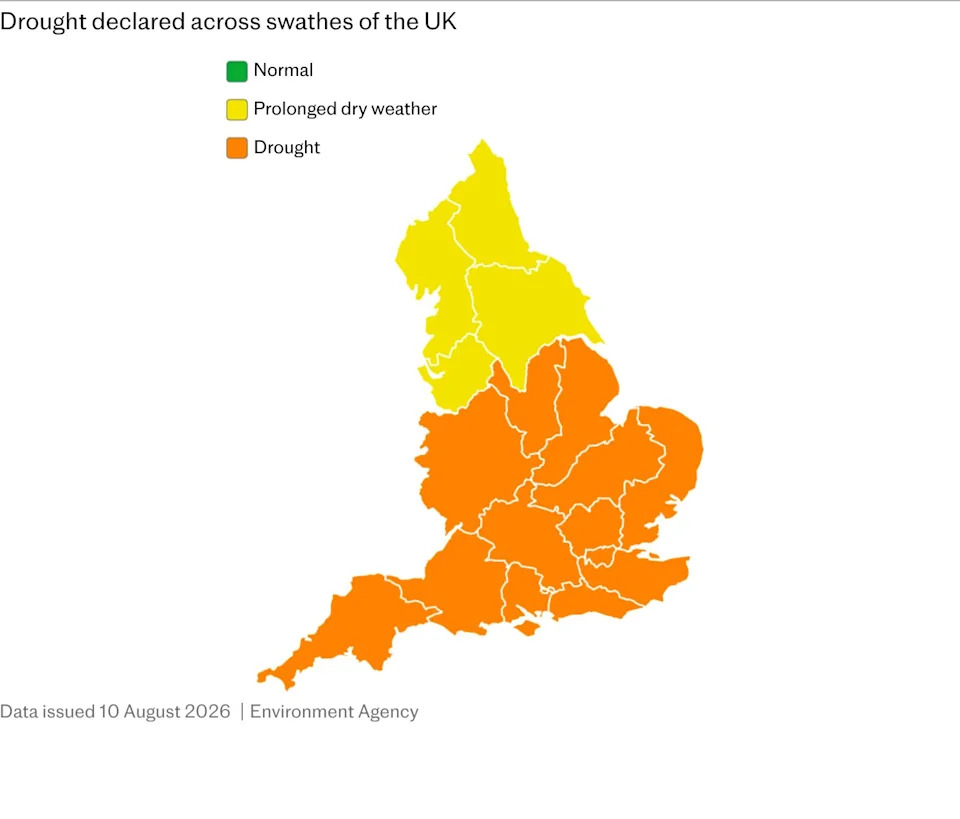
The Prime Minister announced the £65m package after officials declared that 71.3% of England is in drought. The funding comprises £15m for on-farm reservoirs and £50m for the Sustainable Farming Incentive (SFI), an existing scheme that pays farmers for nature-friendly practices. Defra confirmed the money was reallocated from other parts of its farming budget.
Farmers' Response
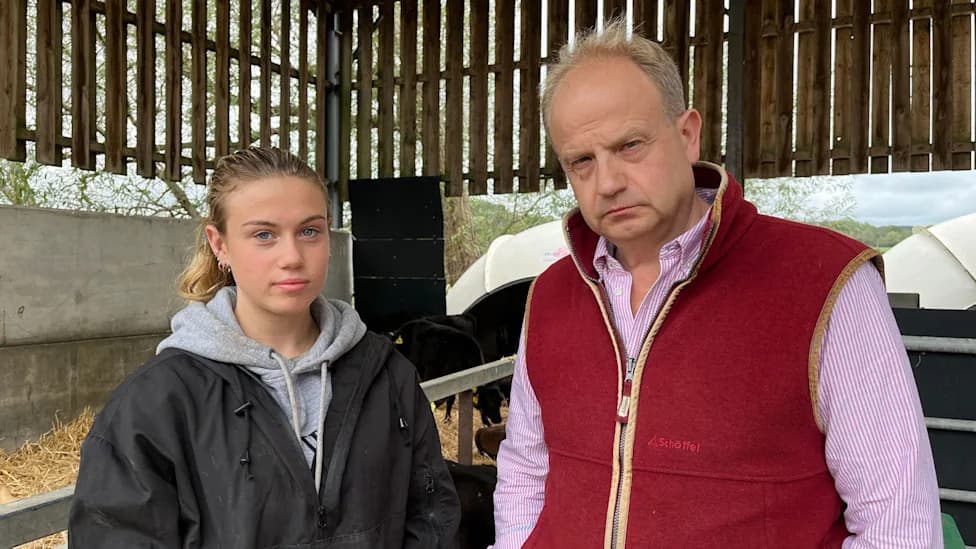
Gavin Lane, President of the Country Land and Business Association (CLA), described the package as "a drop in the ocean," warning that the reservoir allocation will only cover a small fraction of what is needed. "This money is a positive start, but it is nothing unless it is followed up," he said.
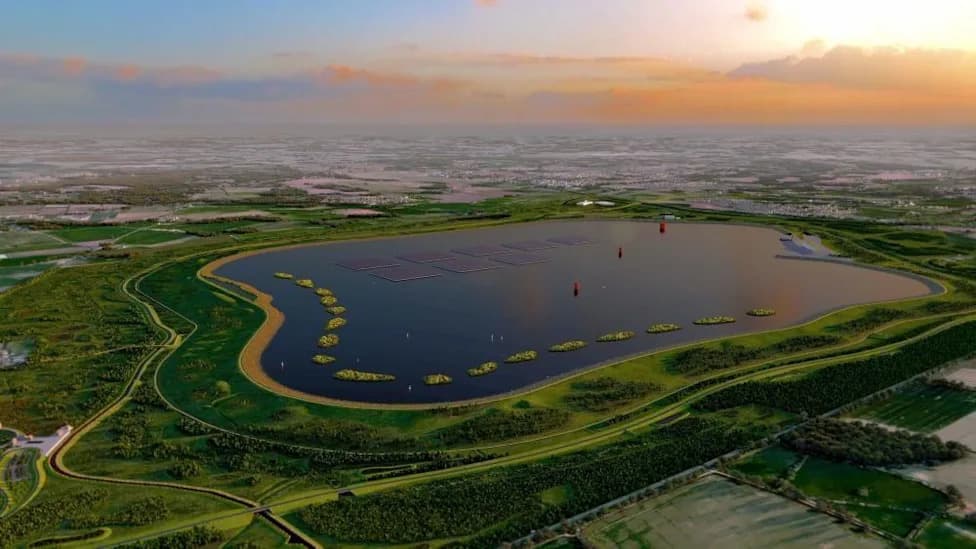
"A reasonably sized, on-farm reservoir costs between £2m and £3m. With typical grant support covering about 40% of costs, a £15m pot could fund roughly 12–18 reservoirs — well short of the 200–300 CLA estimates are needed nationally just for agricultural use."
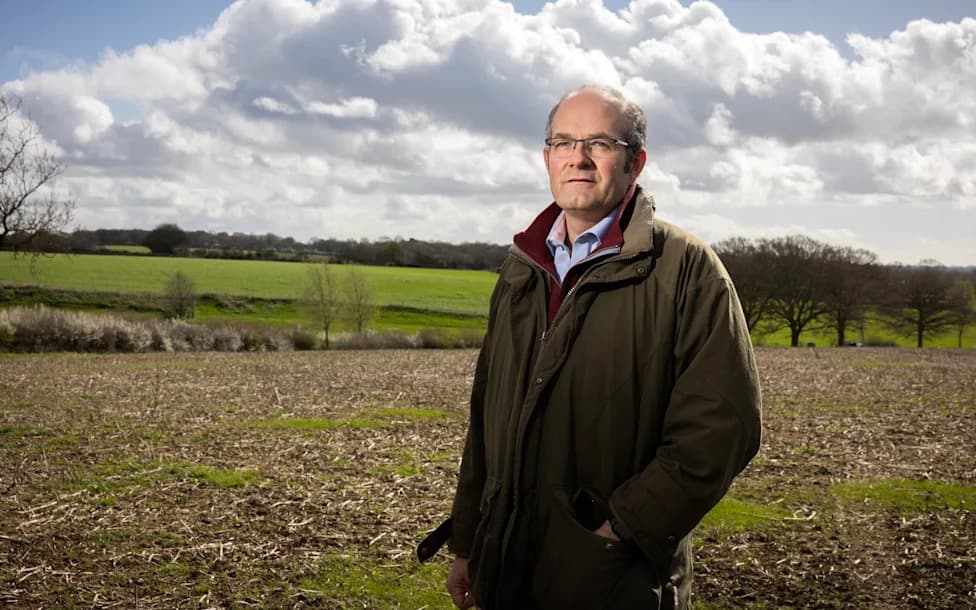
Paul Tompkins, Deputy President of the National Farmers' Union (NFU), said the SFI funding does not address urgent cash-flow problems. "It's a lack-of-rainfall crisis, but actually it's a cash-flow crisis," he said, adding that SFI payments often require upfront investment that many farmers grappling with poor yields cannot afford.
Scale And Economic Impact
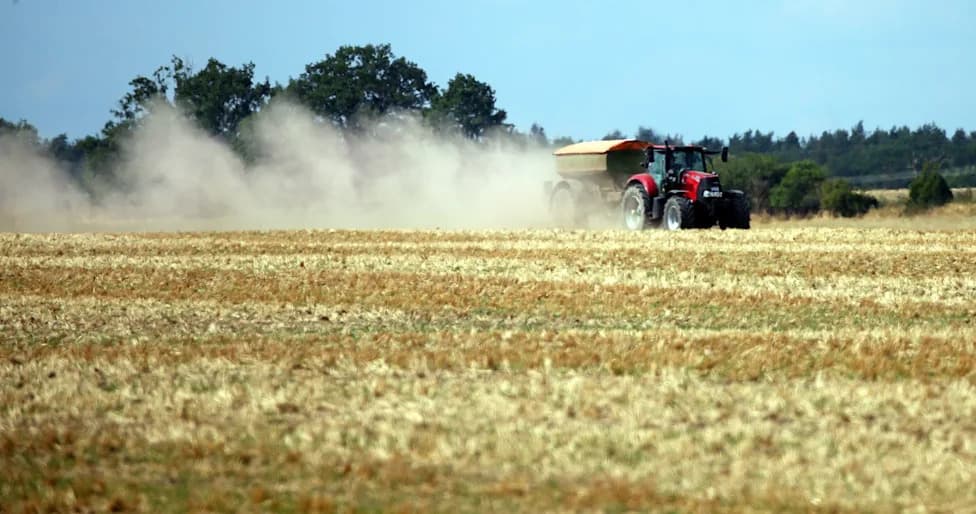
Analysts warn the UK is facing one of the worst food-security pressures in decades. The Energy and Climate Intelligence Unit expects this year's harvest to be exceptionally poor, with lost earnings to farmers estimated at around £550m. Shore Capital analysts have highlighted risks to crop yields, milk output and livestock feed supplies as successive heatwaves bite.
Wider Consequences
Suppliers and hospitality businesses are preparing for higher ingredient costs as drought threatens staples such as broccoli, cauliflower, potatoes, onions, carrots and parsnips. Food and drink prices in hospitality rose 0.2% in July, which industry figures have called the "calm before a potential storm."
Defra was contacted for comment.
Help us improve.