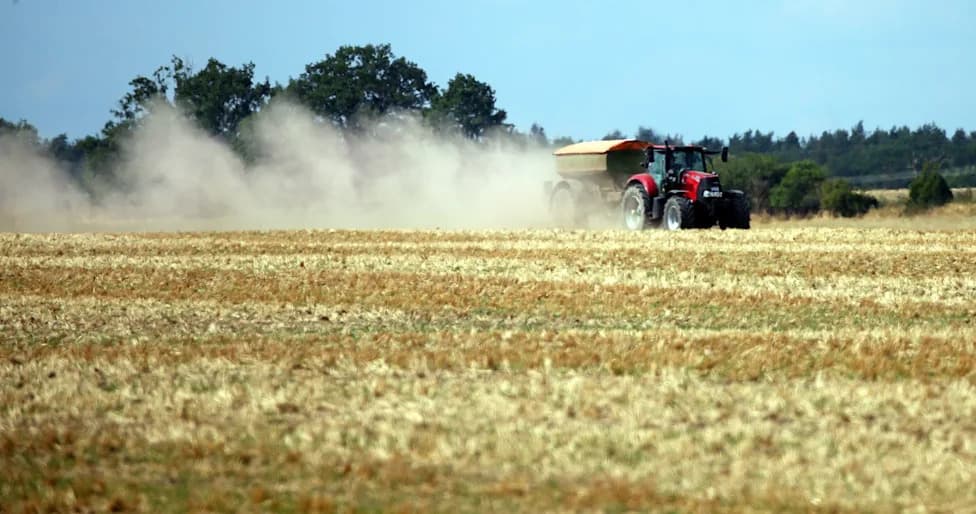
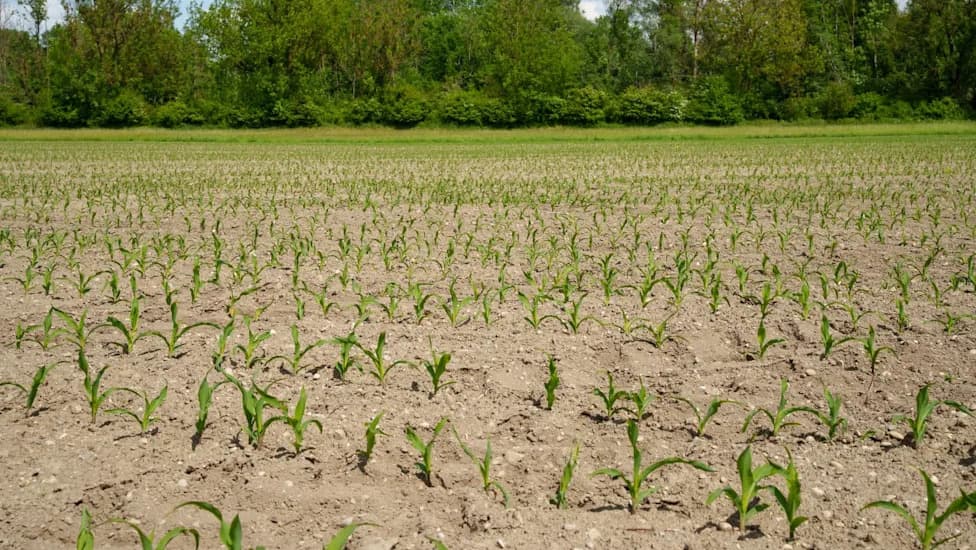
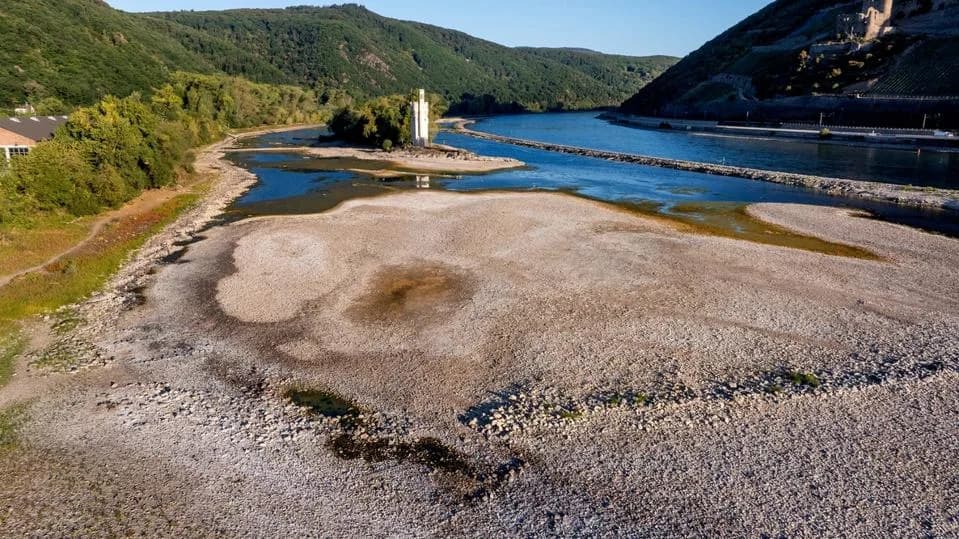
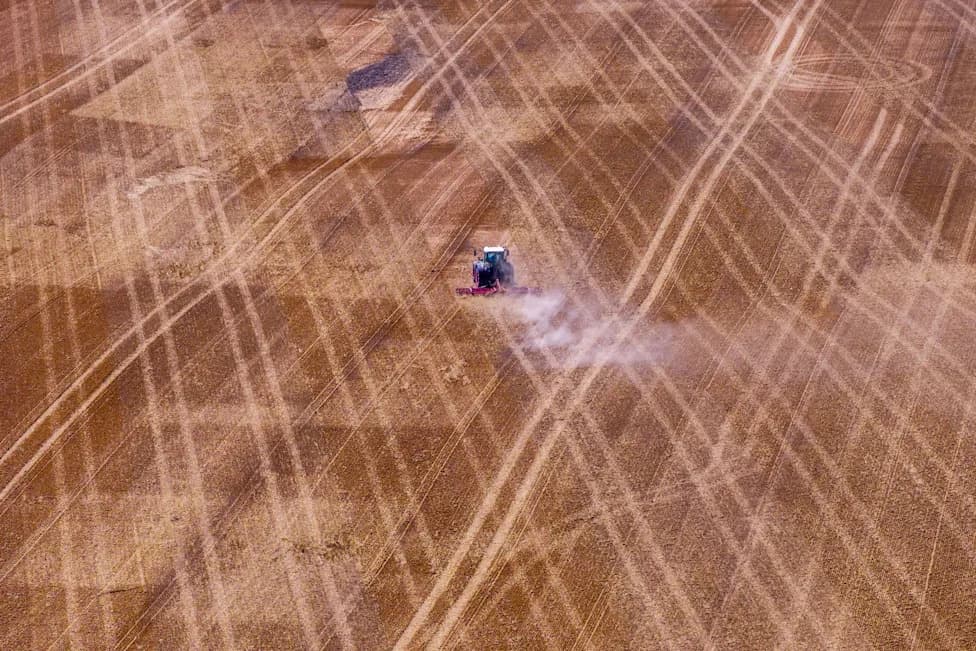
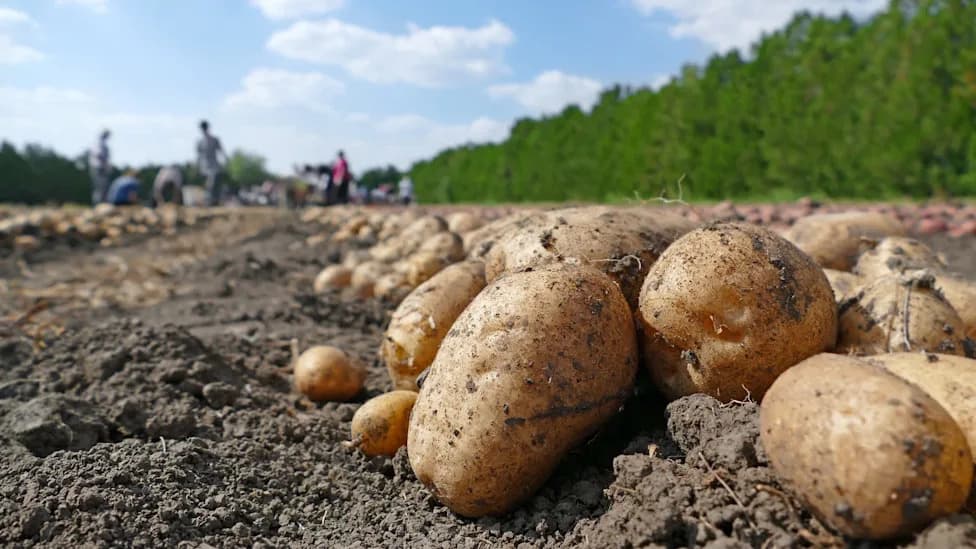
Extreme heat, prolonged drought and widespread wildfires across Europe this summer have inflicted an estimated €14–17 billion (about $16–19.3 billion) in damage to the European Union's agricultural sector, EU Agriculture Commissioner Christophe Hansen said.
Hansen told ministers in Brussels that the full scale of the losses will only be known once harvests are completed. Early assessments already point to widespread crop losses and significant stress on livestock producers.
Supply Challenges for Livestock
Dry conditions have caused a shortage of grass for animal feed, increasing costs and pressure on farmers who rear cattle, sheep and other livestock. This feed shortfall raises the risk of reduced herd sizes, higher production costs and potential price impacts for consumers.
Policy Responses Urged
The commissioner urged stronger investment in water-storage infrastructure and the adoption of more precise irrigation technologies to reduce overall water consumption and improve resilience to drought. He also pushed for wider use of insurance, including mandatory schemes, to protect farmers from climate-related losses and to encourage continued investment in the sector.
Only about 12% of EU agricultural production is currently insured against damage, Hansen noted — a gap that officials say needs urgent attention.
European Commission President Ursula von der Leyen recently announced a proposed European water initiative in her State of the Union address and pledged steps to address gaps in farmers' insurance coverage.
At a national level, Germany's harvest assessment showed the grain harvest fell by 7.3% year-on-year, illustrating how varied regional impacts are across the bloc.
Outlook
Commissioners and member states face immediate choices about investing in water infrastructure, promoting efficient irrigation, and expanding insurance coverage to bolster agricultural resilience as climate extremes become more frequent. Final damage totals will become clearer once the remaining harvests are complete.