The U.K. is committing £22 million to advance non-animal research methods — including patient-derived organoids, lab-grown tissues and AI — to improve early drug testing and reduce reliance on animal models. £20 million will fund a new Cambridge Pre-Clinical Translational Models Hub and up to £2 million will support nine animal-free projects. Officials say these technologies may better predict human responses, speed development for diseases like cancer and IBD, and lower the number of animal procedures. The MHRA now offers early review of non-animal evidence to guide developers ahead of clinical trials.
UK Invests £22M in Organoids, Lab-Grown Tissues and AI to Reduce Animal Testing and Improve Drug Safety
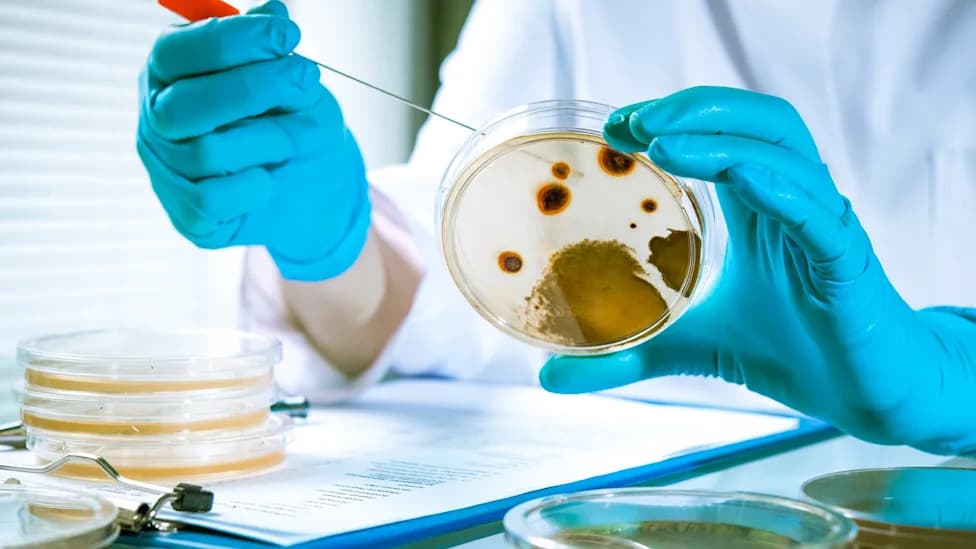
Photo Credit: iStock
The U.K. government is investing £22 million to accelerate non-animal research methods — from patient-derived organoids and lab-grown tissues to artificial intelligence tools — aiming to make early-stage drug testing more predictive and reduce reliance on animal experiments.
What the Funding Covers
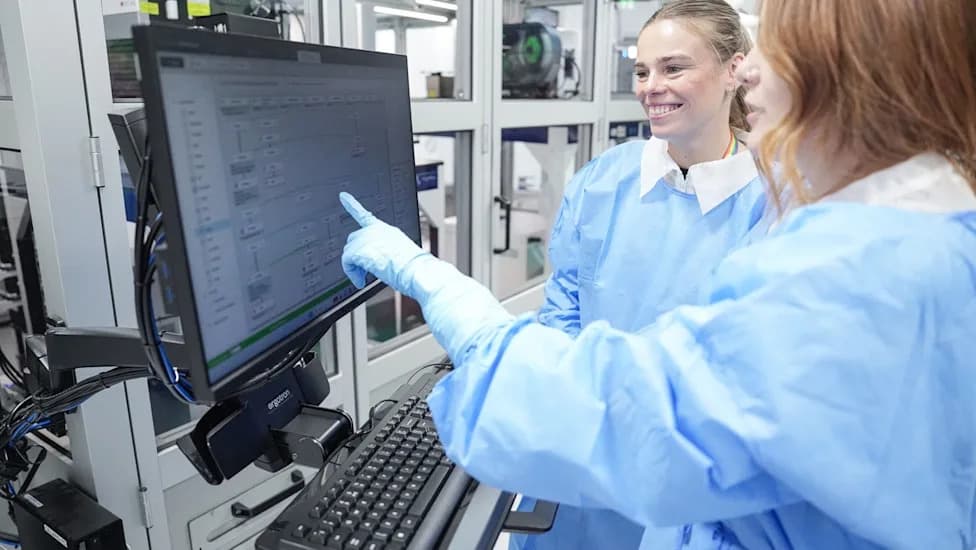
Announced on August 12 by Science Minister Chris McDonald, the package includes £20 million for a new Cambridge-based Pre-clinical Translational Models Hub and up to £2 million split across nine projects that explicitly avoid animal testing. The hub will link leading institutions and help universities and industry adopt advanced preclinical systems.
Organoids and Patient-Derived Tissues
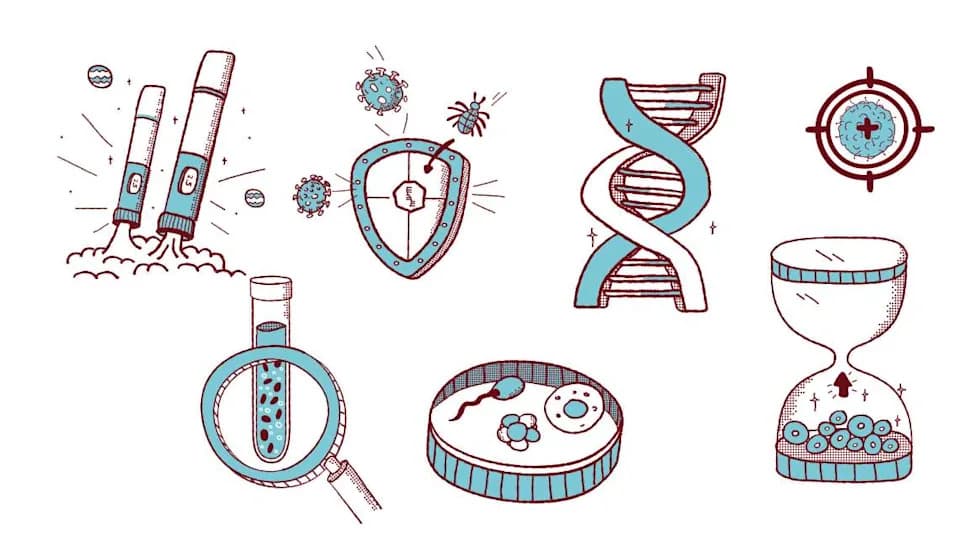
A major focus is on organoids — miniature, lab-grown tissue models such as gut, tumor and brain systems — created from cells donated by NHS patients. Because these samples retain many biological features of the donor, researchers can better assess how a drug might behave in people before it enters clinical trials.
Safety, AI and Remaining Animal Use
Selected projects range from beating heart cells grown in vitro and engineered human ear models to AI-driven programs that predict how drugs are absorbed, distributed, metabolized and excreted. The government noted that some safety-research areas still depend on dogs and monkeys, and part of the funding is directed to improving methods in those areas as well.
Regulatory and Industry Impact
The Medicines and Healthcare products Regulatory Agency (MHRA) began offering early review of non-animal evidence in March 2026, giving companies a pathway to check whether regulators would accept alternative methods before clinical trials. Officials say these technologies could narrow the gap between lab findings and effective medicines, helping to speed development for conditions such as cancer and inflammatory bowel disease.
Examples and Expected Benefits
By spotting weak or potentially hazardous drug candidates earlier, researchers can halt unpromising lines sooner and prioritize stronger candidates — saving time, costs and potentially lives. The funded projects include work on hearing-loss treatments, cardiovascular safety testing, and improved models of drug movement through the body.
“These miniature human tissues retain many of the unique biological characteristics of the individual patient; they allow us to understand disease more accurately and test potential treatments before they ever reach the clinic,” said Professor Matthias Zilbauer of the University of Cambridge.
Scale and Collaboration
The new Cambridge hub will connect the MRC Laboratory of Molecular Biology, the Wellcome Sanger Institute and a network of around 60 principal investigators. The government also highlighted the size of the life sciences sector: around £147 billion in turnover for 2023–24 and roughly 360,000 people employed.
Government figures show 2.54 million animal-testing procedures were carried out in Great Britain in 2025, a 3.8% decrease from 2024. Officials hope the investment will accelerate the shift toward robust, human-relevant models while maintaining safety standards.
Help us improve.