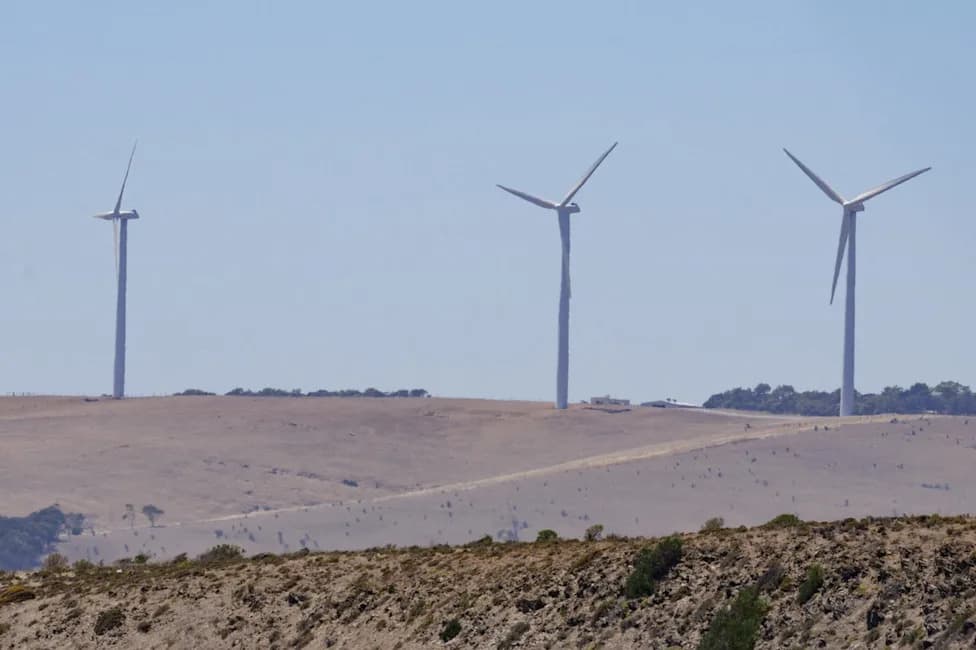
China curtailed an estimated 360TWh of wind and solar in H1 — a 49% rise year on year — enough to power the UK or Mexico for more than a year. The waste reflects continued coal-plant additions, long-term coal contracts that reserve grid space, and transmission shortfalls that prevent remote renewables reaching demand centers. Analysts say large-scale battery storage, faster transmission build-out and clearer policy signals are essential to reduce curtailment.
China Wasted 360 TWh Of Wind And Solar In H1 — Enough To Power The UK For Over A Year

China’s leftover renewable energy could power UK for more than a year
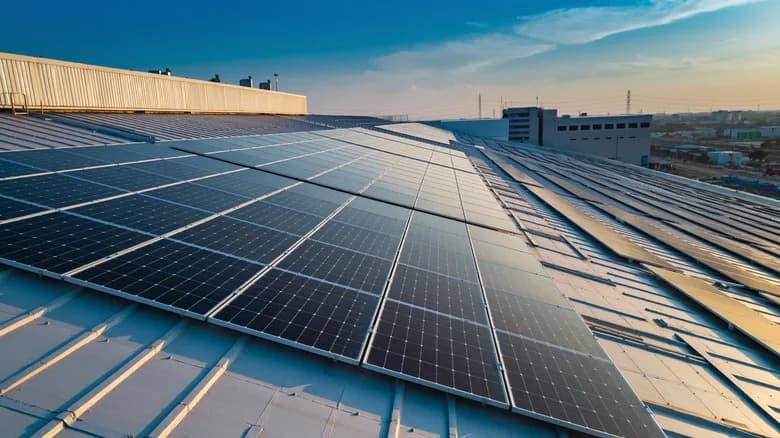
China rejected roughly a quarter of the wind and solar electricity it generated in the first half of this year because the grid could not absorb it, according to a new analysis — wasting an estimated 360 terawatt hours (TWh), enough to power the United Kingdom or Mexico for more than a year.
Scale Of The Loss
The Centre for Research on Energy and Clean Air and Global Energy Monitor estimate curtailment of 360TWh between January and June, a 49% increase year on year. The report calculates a weather-adjusted curtailment rate of about 26.1%, far higher than China's official figures (8.6% for solar and 9.1% for wind) that the agencies say understate unreported losses.
How Curtailment Happens
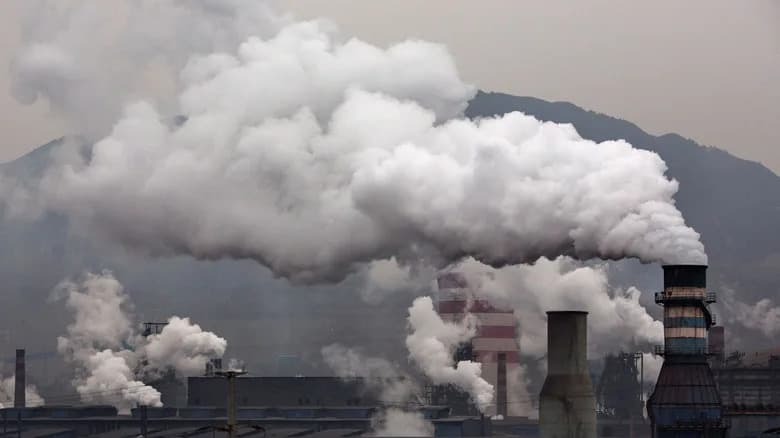
Curtailment occurs when operators shut down wind turbines and solar farms or refuse their output because the transmission system cannot accept more power at that moment. Electricity cannot be stored in transmission lines, so excess generation that is not consumed immediately is lost — and fossil-fuel plants that might otherwise have been displaced continue to run.
Drivers Behind The Waste
Researchers identify several structural causes:
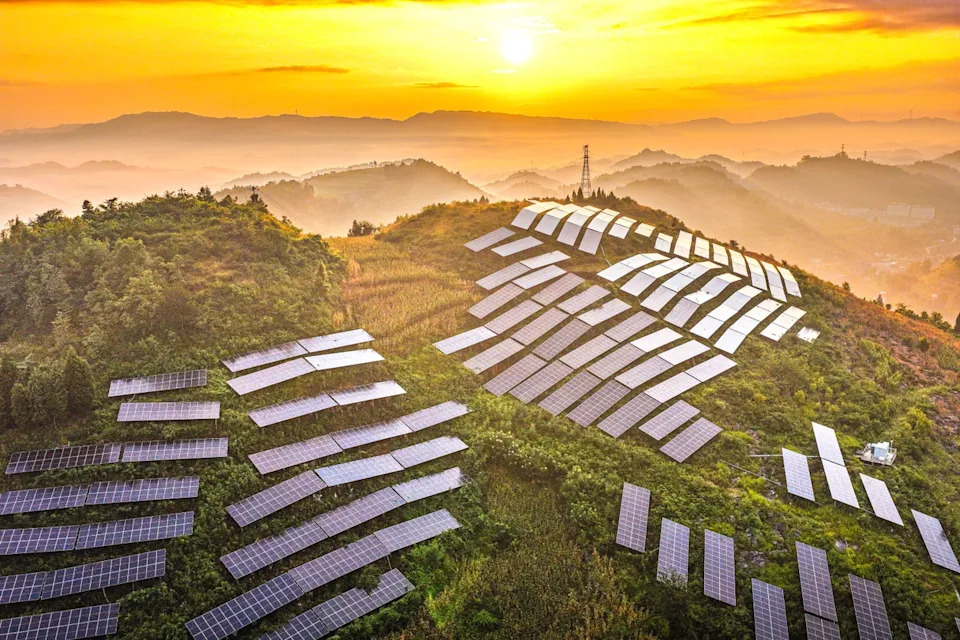
Solar panels are arranged on a hillside at an agricultural photovoltaic power station in Dingxin Yi and Miao Ethnic Township, Qianxi City, in southwestern China's Guizhou province (AFP/Getty)
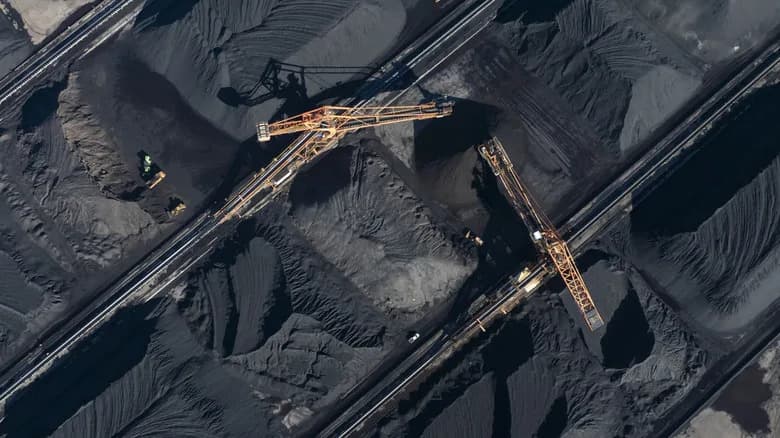
- Coal Plant Expansion: China commissioned 30 gigawatts (GW) of new coal-fired capacity in H1 — the largest first-half addition in a decade — while retiring only 2.7GW. Another 25.4GW started construction and 274GW are in the pipeline (about 22% of the existing coal fleet).
- Long-Term Contracts: Coal plants are granted long-term contracts that guarantee they will supply a fixed share of electricity (expected annual contracts covering 60–70% of previous-year output), effectively reserving grid space even when cheaper clean power is available.
- Transmission Bottlenecks: High-voltage lines have not kept pace with renewable build-out. Much of China’s wind and solar is in the north and west, while demand centers are in the east — but wires to move that power are lagging.
“China's coal buildout is a warning about overcapacity, not a blueprint for energy security,” said Qi Qin, China analyst at the Centre for Research on Energy and Clean Air.
Policy Signals And Market Effects
Beijing moved in April to tighten controls on coal capacity and generation, and permit approvals slowed to 8.6GW in the first half. Still, developers proposed roughly 70GW of new coal projects and revived another 20GW in the same period, signaling mixed policy and market incentives. New solar installations fell about 66% this year as investors reacted to curtailment and the removal of guaranteed fixed prices for renewables.
Global Context
This is not uniquely Chinese: Australia’s National Electricity Market curtailed 2.93TWh (up 37%), Japan rejected 2.35TWh (up 34%), and India curtailed 8.13TWh in the quarter to June (about 14% of its solar output in that period). Worldwide, the rapid addition of renewables outpaced transmission and storage: the world added a record 692GW of renewable capacity last year, three-quarters solar.
Solutions And Outlook
Analysts say battery storage — particularly co-located storage with solar farms — is the most effective near-term solution. Batteries can absorb excess midday generation and release it at peak evening demand, reducing curtailment. For example, Chile added 4GWh of batteries in 2025, largely co-located with solar, which helped cut losses. Greater investment in high-voltage transmission, improved market design to better value flexible resources, and clear, consistent policy signals are all needed to align grid capacity with renewable build-out.
Bottom line: Unless grid connections, storage deployment and policy incentives are better aligned with renewable expansion, curtailment pressures are likely to persist through this decade even as clean capacity grows.
Help us improve.