Summary: The Trump administration has ended NOAA's role in coordinating the 2026 Arctic Report Card, though NOAA says it will continue to collect and publish the data it historically supplied. The 2025 report recorded the warmest Arctic surface-air temperatures since 1900 and a record-low winter sea-ice maximum in March 2025. Editors and scientists are scrambling to determine whether the 2026 edition can be completed and are exploring alternative coordination to preserve the report long-term.
NOAA Withdraws Coordination of 2026 Arctic Report Card — Scientists Scramble to Save Annual Assessment
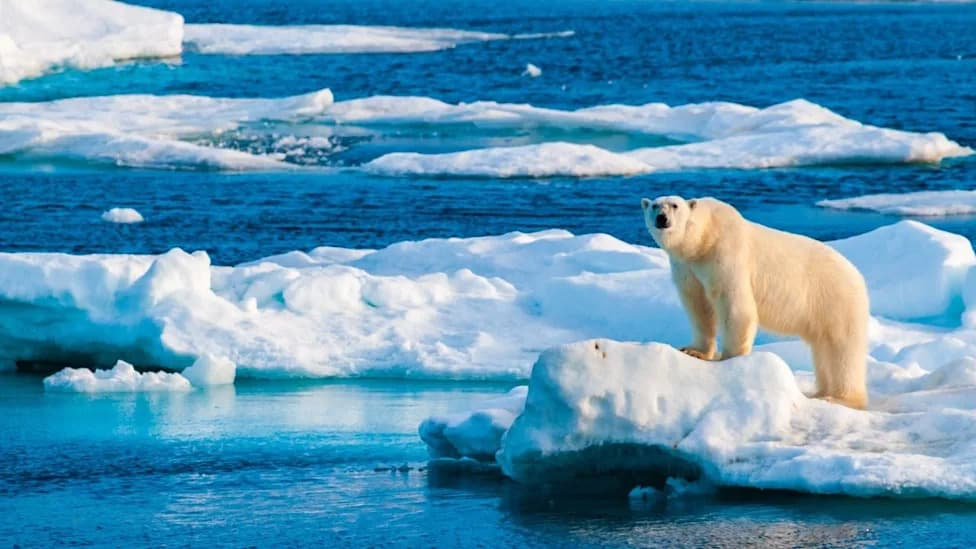
Image Credit: Shutterstock.
The Trump administration has withdrawn the National Oceanic and Atmospheric Administration's (NOAA) coordination support for the 2026 Arctic Report Card, the long-running annual assessment that tracks environmental change across the rapidly warming Arctic. NOAA communications director Kim Doster confirmed the decision, saying the agency will not facilitate coordination for the 2026 report, though data historically supplied by NOAA will continue to be collected and made publicly available.
Why the Report Card Matters
The Arctic Report Card, published by Eos and compiled with a broad network of scientific, international and Indigenous partners, has summarized changes in Arctic glaciers, sea ice, ocean systems, tundra and ecosystems since 2006. Its findings inform weather forecasting, navigational safety, national security planning and the livelihoods of coastal and Indigenous communities.
"The US is an Arctic nation. It's not just a distant place. It's also our national place. So many of the changes there have impacts that reach down into our mid-latitudes, even further south," said Twila Moon, an editor of the report.
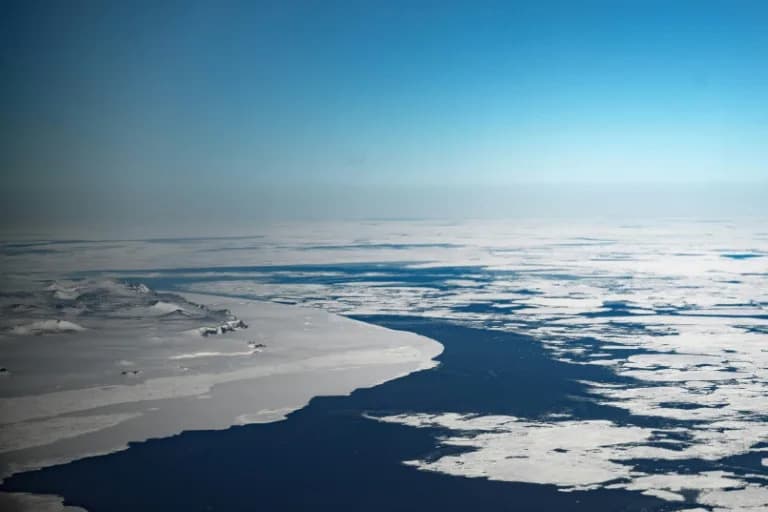
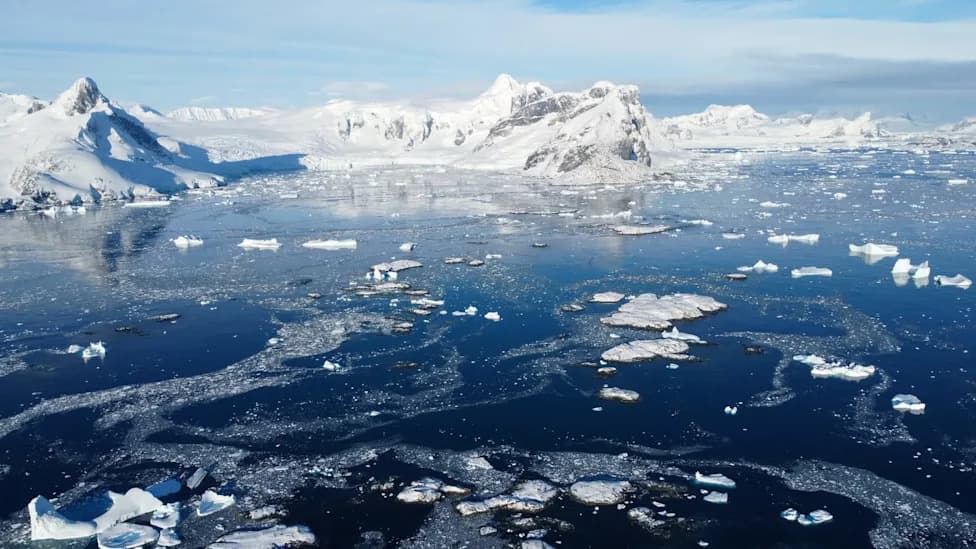
NOAA's 2025 edition documented significant and accelerating changes: surface-air temperatures across the Arctic from October 2024 through September 2025 were the warmest recorded since 1900, and Arctic winter sea ice reached its lowest annual maximum in the 47-year satellite record in March 2025. A 2025 update also reported that thawing permafrost released iron and other elements into more than 200 watersheds across Arctic Alaska, turning rivers a rusty-orange color and raising concerns about increased acidity, toxic metals, aquatic habitat damage and potential effects on rural drinking water supplies.
Work on the 2026 edition was already underway and was expected to finish within weeks when editors were informed of NOAA's decision. "We are scrambling to pull the pieces together," said Rick Thoman, a lead editor for this year's report, while expressing cautious optimism that organizers can find a path forward for 2027 and beyond.
NOAA emphasized that its other programs will continue to support Arctic research that underpins national security, weather prediction and the economic vitality of coastal communities. Nonetheless, losing NOAA's coordination role creates logistical and stewardship challenges for the multidisciplinary report and raises questions about its format and long-term home.
What Comes Next
Scientists, editors and partner organizations are exploring alternative sponsors and coordination models to ensure the Arctic Report Card endures. Given the late timing, whether the 2026 edition can be completed on schedule remains uncertain, but researchers stress that core observations and data collection will continue and remain publicly accessible.
Help us improve.