The Champagne region launched its earliest harvest on record this August as Europe’s heatwaves and drought accelerated ripening and raised grape sugar levels, threatening Champagne's acidity and classic flavor. The CIVC moved the official start to August 12, and one grower picked as early as August 6 after acidity tests. Experts say French harvests are, on average, about 21 days earlier than 50 years ago, while frost, heat and drought have cut yields. Producers are using reserve stocks and adapting vineyard practices, but many fear the climate will change Champagne's traditional style.
Record-Early Champagne Harvest Reveals Climate-Driven Challenges for French Vineyards
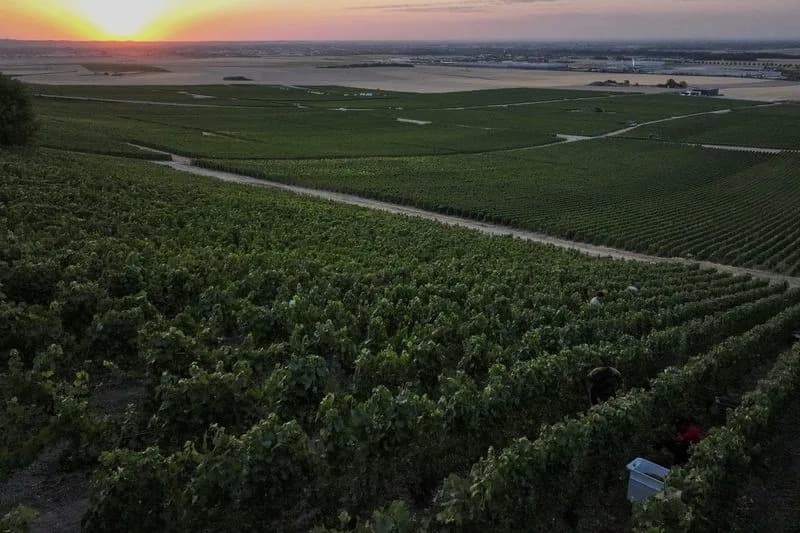
A drone view shows grape pickers harvesting fruit from the vines at the Champagne Jean Velut vineyard during the early start of the Champagne harvest, in Montgueux, as heatwaves accelerate grape harvest across French vineyards, France, August 14, 2026. REUTERS/Sarah Meyssonnier
In Montgueux, in France's famed Champagne region, workers began picking Chardonnay at dawn on August 14, starting the second day of the earliest harvest on record for the area. This unusually early start — the Champagne Committee (CIVC) moved the official date to August 12 — underscores how heat and drought across Europe are reshaping the timeline and character of winemaking in the region.
Climate Pressure on Ripening
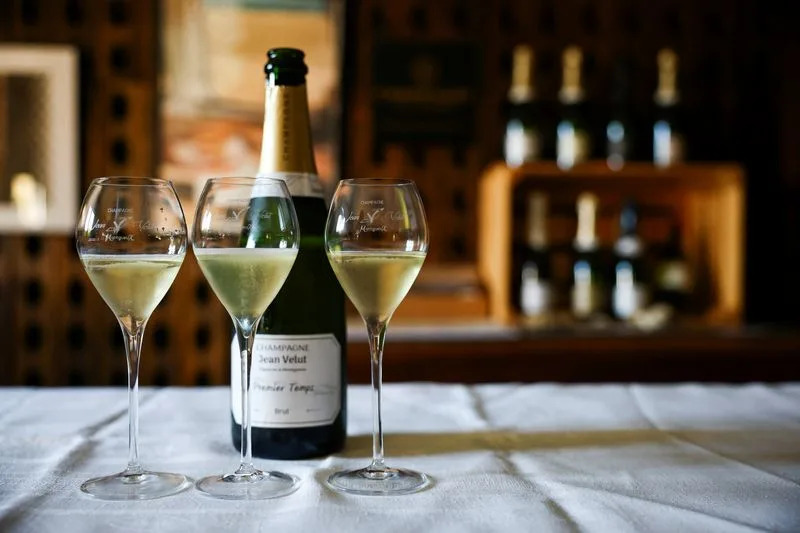
Glasses and a bottle of Jean Valut Champagne at the Champagne house of Champagne Jean Velut, during the early start of the Champagne harvest, as heatwaves accelerate grape harvest across French vineyards, in Montgueux, France, August 14, 2026. REUTERS/Sarah Meyssonnier
Exceptional heat and prolonged drought accelerated grape ripening this summer, raising sugar levels and hastening the loss of natural acidity that helps define Champagne's crisp profile. "There's no August vacation for winemakers," chuckled Benoit Velut, owner of Champagne Jean Velut in Montgueux, as seasonal pickers worked the sunlit slopes.
"It used to be in late September and mostly in October, a time of year that was still pretty cool," said Denis Velut, Benoit's father. "In the late 1990s, harvesting before August 15 would have seemed unreasonable."
In an extreme case, Montgueux grower Vincent Finot obtained special permission to begin harvesting on August 6 — the earliest date on record in Champagne — after acidity tests showed a rapid decline. "I didn't dare wait any longer," he said.
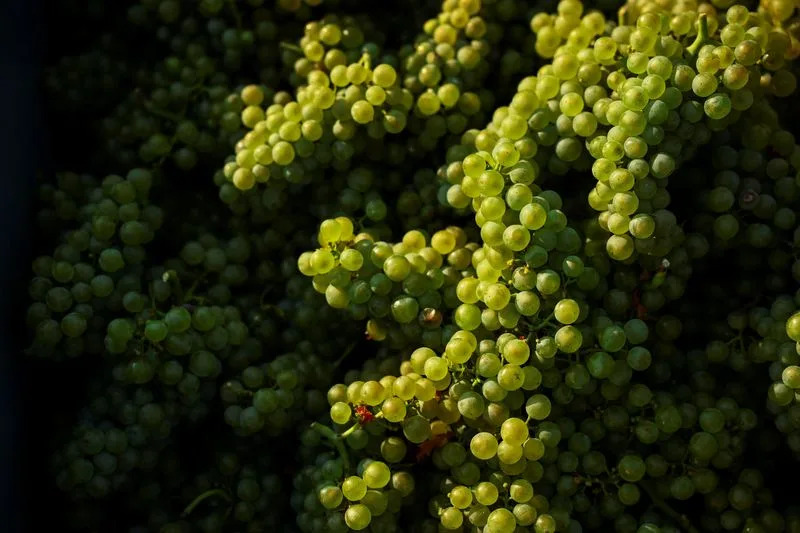
Harvested bunches of grapes at the Champagne Jean Velut vineyard during the early start of the Champagne harvest, in Montgueux, as heatwaves accelerate grape harvest across French vineyards, France, August 14, 2026. REUTERS/Sarah Meyssonnier
Losses and Long-Term Shifts
Weather extremes compounded other challenges. The CIVC estimates that around 30% of this year's potential crop was lost to spring frost; heat and drought further reduced yields and, in places, grape bunch weights by nearly 30%. Agroclimatologist Serge Zaka noted a broader trend: "On average, across all French vineyards, including Champagne, harvest dates have moved up by about 21 days over the past 50 years. The entire cycle of vines is affected."
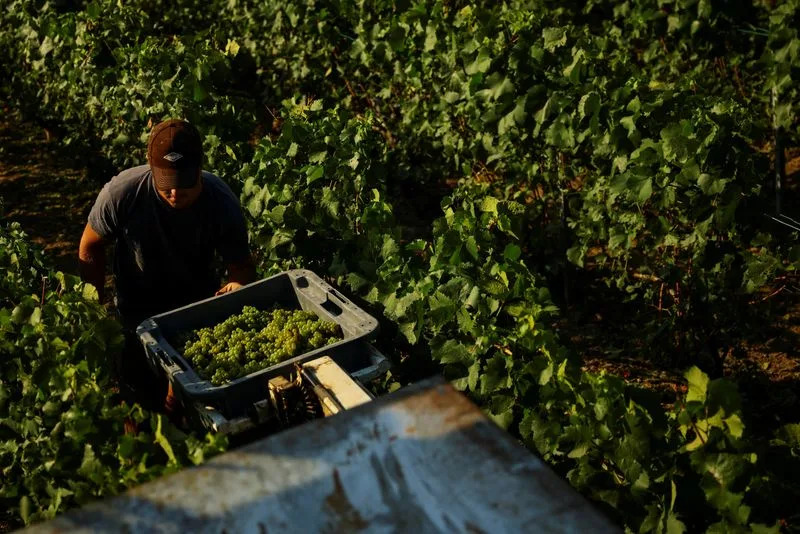
A grape picker harvests fruit from the vines at the Champagne Jean Velut vineyard during the early start of the Champagne harvest, in Montgueux, as heatwaves accelerate grape harvest across French vineyards, France, August 14, 2026. REUTERS/Sarah Meyssonnier
Industry Responses and Adaptation
Producers are deploying several strategies to cope with smaller, riper harvests while staying within the appellation's rules. The CIVC and houses are relying on reserve stocks to smooth supply in poor years, and winemakers are exploring viticultural changes such as planting more heat- and drought-tolerant varieties, preserving ground cover to retain soil moisture, and adjusting vineyard management to protect grape acidity and balance.
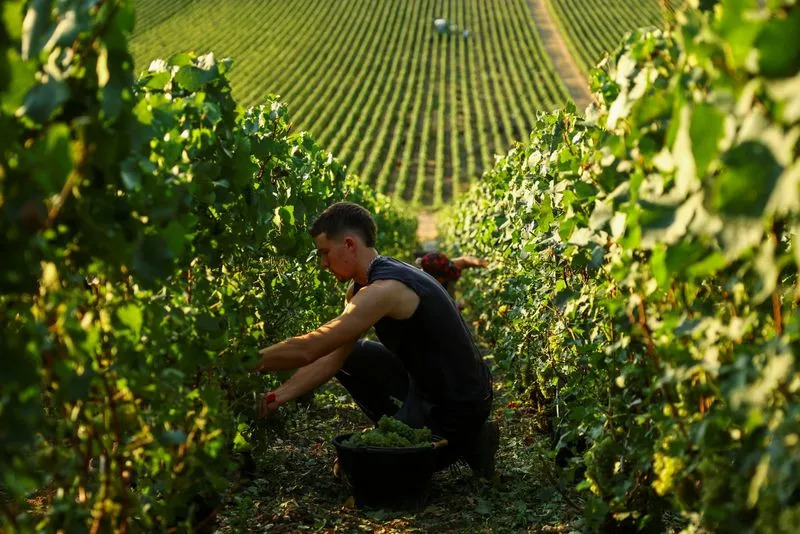
A grape picker harvests fruit from the vines at the Champagne Jean Velut vineyard during the early start of the Champagne harvest, in Montgueux, as heatwaves accelerate grape harvest across French vineyards, France, August 14, 2026. REUTERS/Sarah Meyssonnier
At the same time, Champagne's changing conditions open opportunities elsewhere: southern England's chalk soils and milder climate have attracted investment from houses including Taittinger and Pommery, as the region increasingly resembles Champagne's climate of decades past.
"They might become warmer and higher in alcohol content," reflected Denis Velut, warning that upsetting the region's acidity balance could alter Champagne's famously airy, ethereal character.
Outlook
Vineyards across Europe are confronting frequent climate shocks that require both short-term mitigation and long-term adaptation. While Champagne producers work to preserve the wine's defining qualities, the industry is also preparing for an evolving landscape in which traditional practices and flavor profiles may shift with the climate.
(Reporting and writing by Elissa Darwish in Montgueux; editing by Richard Lough and Gareth Jones)
Help us improve.