The African Union has sent a two-day delegation to Sudan to press for a ceasefire, expanded humanitarian access and a restart of political talks after three years of conflict that has caused mass casualties and displacement. The mission arrives amid a military stalemate: the SAF has retaken much of Khartoum while the RSF remains powerful in Darfur and fighting continues in Kordofan. Analysts say the AU lacks enforcement tools and must rely on coordinated regional and international pressure to turn the battlefield stalemate into durable diplomatic progress.
Can the African Union Turn Sudan’s Battlefield Stalemate Into Diplomatic Momentum?
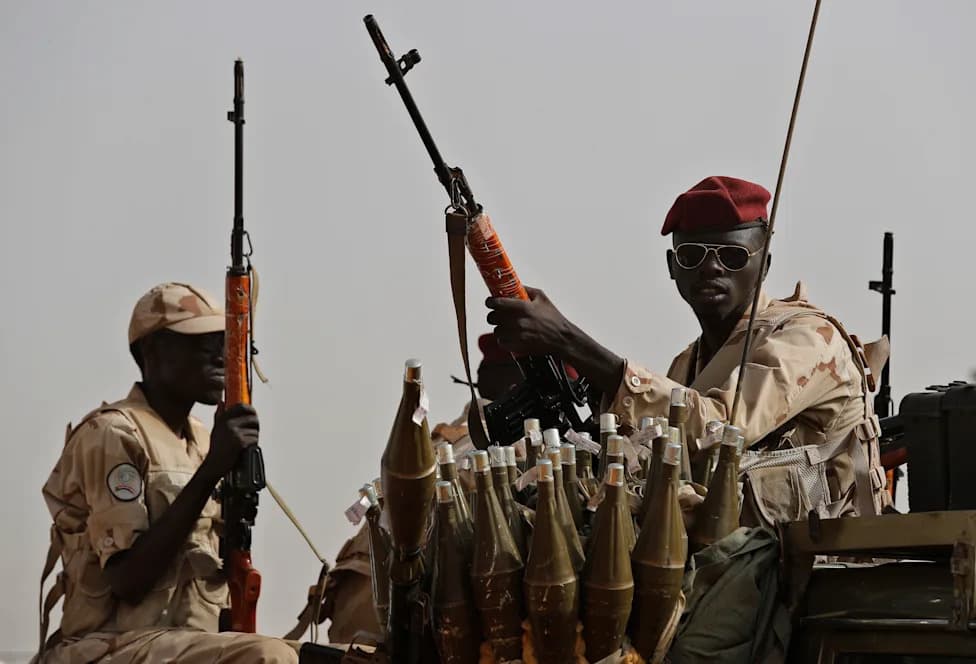
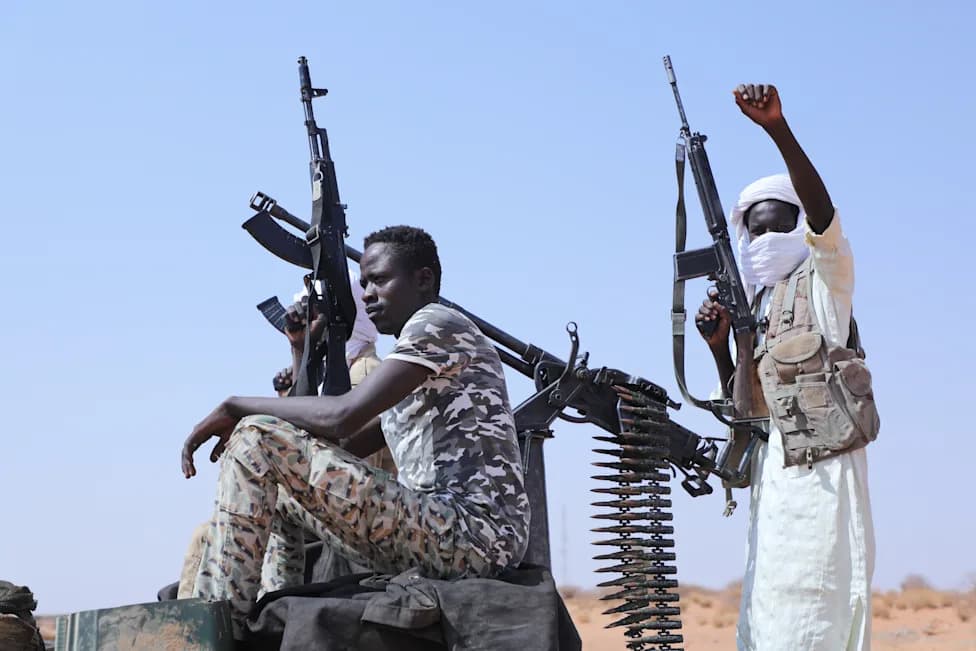
RSF soldiers secure the area as their commander attends a military-backed tribal rally in East Nile province, June 22, 2019 [Hussein Malla/AP]
An African Union (AU) delegation began a two-day fact-finding visit to Sudan on Sunday with three clear aims: press for a ceasefire, expand humanitarian access and revive a political process to end a war that has killed tens of thousands and displaced millions over the past three years.
The AU's Peace and Security Council (PSC) is meeting Sudanese authorities and other conflict actors to push for humanitarian corridors and explore pathways to a negotiated settlement. The PSC decided earlier this year to send the mission to help restore lasting peace and stability.
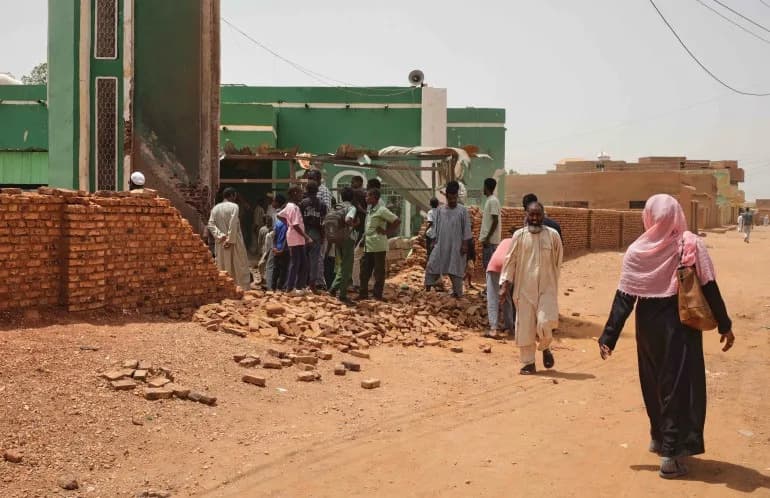
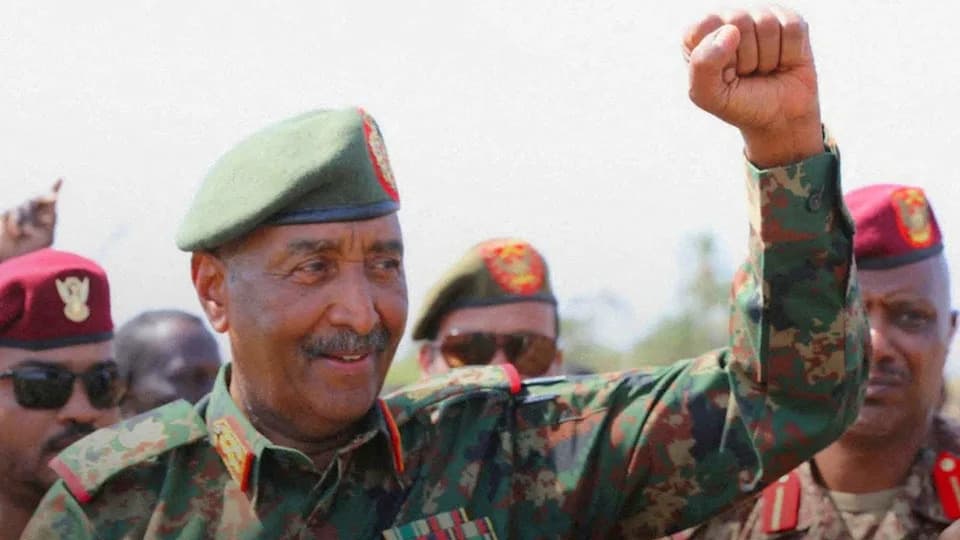
The delegation arrives at a fraught moment. The Sudanese Armed Forces (SAF) have re-established control over much of Khartoum, while the Rapid Support Forces (RSF) remain entrenched across large parts of Darfur. Kordofan — the region linking central, western and southern Sudan — has emerged as another major battleground, with clashes around el-Obeid underscoring that the war remains active despite SAF gains near the capital.
Military Stalemate, Political Deadlock
While SAF advances have shifted the battlefield balance, neither side has achieved a decisive victory. That tactical stalemate complicates diplomacy: both forces still believe they can improve their positions militarily, and therefore have limited incentive to make political compromises.
The AU faces a twofold challenge: reduce fighting enough to allow unhindered humanitarian operations and credible negotiations, and ensure any settlement is not simply a power-sharing deal between two armed factions dividing territory.
Why Kordofan Matters
Kordofan sits between territories controlled by the SAF and RSF and contains vital supply routes. Control of the region would influence logistic links between SAF-held areas and western Sudan, and affect the RSF’s ability to move fighters and materiel between Darfur and other fronts — making it central to both the military contest and diplomatic calculations.
Diplomacy to Date
The AU has been active in Sudan diplomacy since the fighting began. In May 2023 the PSC approved a roadmap calling for a permanent and inclusive ceasefire, unfettered humanitarian access, civilian protection and a return to a credible political transition. The SAF and RSF signed commitments in Jeddah that month on civilian protection, a temporary cessation of hostilities and humanitarian arrangements, but those pledges failed to stop the fighting.
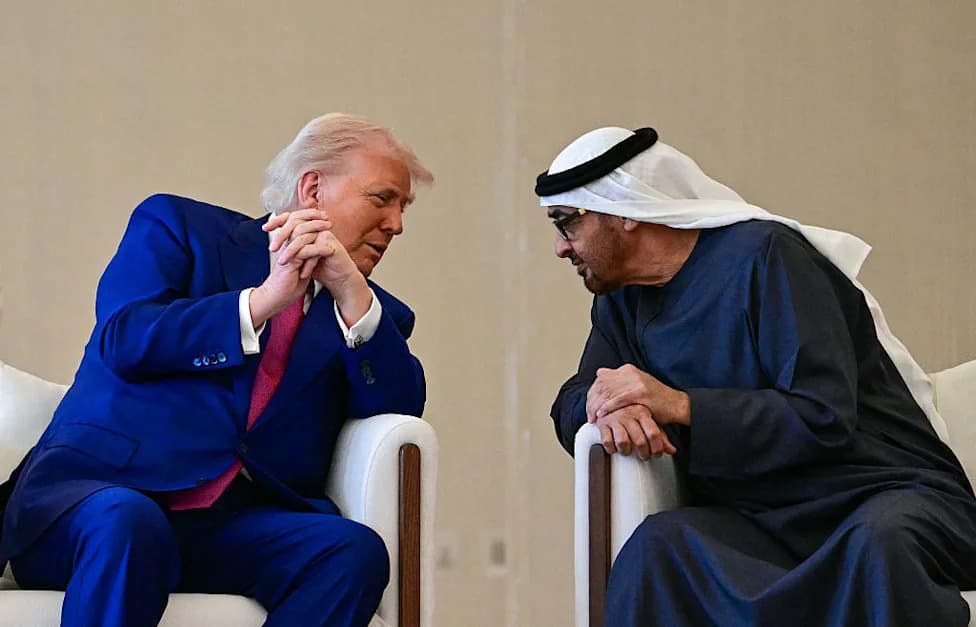
In October 2024 the PSC conducted another field mission to Cairo and Port Sudan to press again for a ceasefire, enhanced humanitarian access and a revival of political negotiations. Regional and international actors — including IGAD, the United Nations, the United States and Saudi Arabia through the Jeddah process — have also engaged in mediation. The AU has repeatedly urged better coordination among these efforts.
Limits of AU Leverage
“Unfortunately, the AU does not have the leverage on its own to compel the Sudanese Armed Forces (SAF) and the Rapid Support Forces (RSF) to stop fighting,”
— Dennis Amachree, former deputy director, Nigeria Department of State Services (DSS).
Analysts point out that the AU lacks an enforcement mechanism, significant financial leverage and a standby force to impose decisions. That reality makes the AU dependent on its political legitimacy and on coordinated pressure from regional and international partners to make negotiations more attractive than continued offensives.
What Would Success Look Like?
Mission success would be measured not by a single statement but by concrete, durable outcomes: verifiable commitments to a sustained ceasefire, immediate and protected humanitarian corridors, and the opening of an inclusive, Sudanese-led political process that offers a realistic alternative to continued fighting. Without durable guarantees and international coordination, pledges risk collapsing once attention shifts away.
As security analyst Kabir Amadu warned, the immediate danger is that exhaustion becomes entrenched into a permanent partition of Sudan unless the delegation can convert battlefield stalemate into diplomatic momentum.
The AU delegation’s impact will therefore depend on whether it can secure commitments that survive beyond the visit, and whether it can catalyse meaningful coordination among African and global actors to apply sustained, credible pressure on both the SAF and RSF.
Help us improve.