The U.S. refusal to grant a visa to Sudan’s de facto leader for the U.N. General Assembly has deepened diplomatic tensions over a proposed 90‑day humanitarian truce and highlighted the conflict’s wider regional stakes. U.N. investigations document widespread abuses by both sides and conclude the RSF committed crimes against humanity in El Fasher. External backers and competing strategic interests—especially around Sudan’s Red Sea coastline—complicate ceasefire efforts, while critics warn that last‑minute diplomatic moves may undermine trust and hamper negotiations.
U.S. Visa Denial at UNGA Exposes Sudan’s War and a Regional Power Struggle for the Red Sea
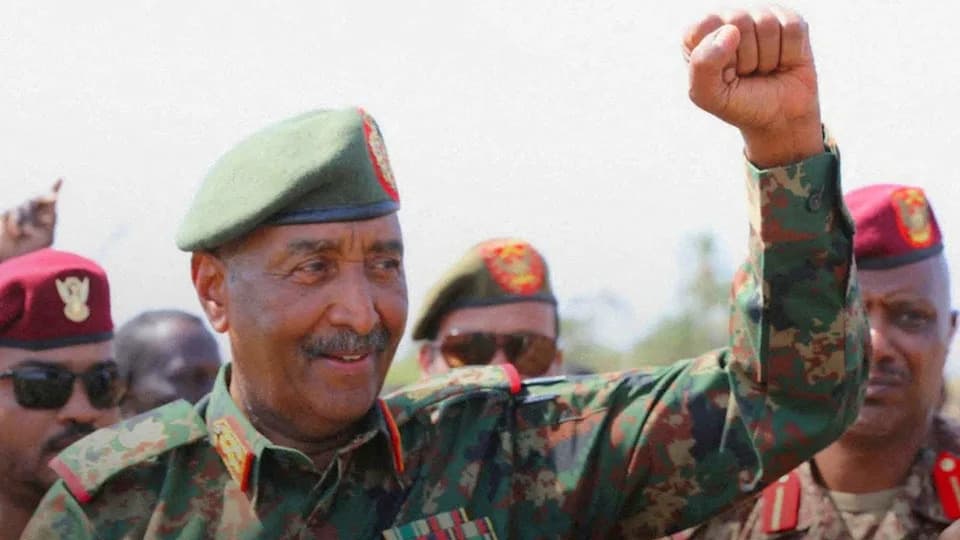
Sudan's army chief Abdel Fattah al-Burhan gestures to soldiers inside the presidential palace after the Sudanese army said it had taken control of the building, in the capital Khartoum, Sudan March 26, 2025.
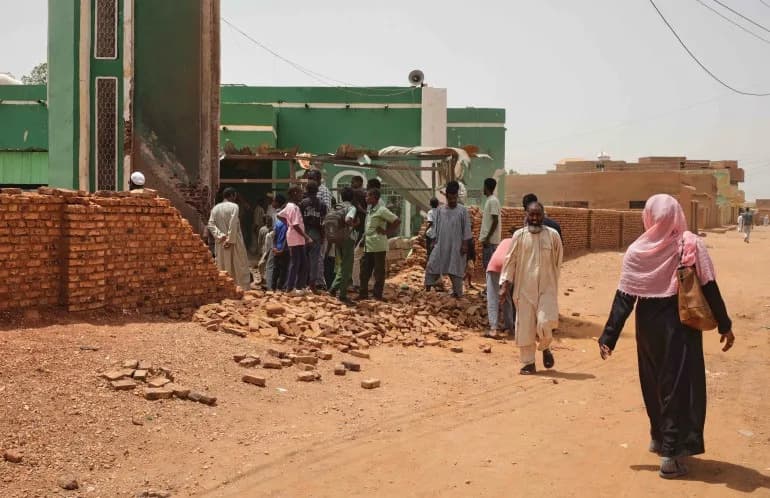
UNITED NATIONS — A U.S. decision to deny a visa to Sudan’s de facto leader for the U.N. General Assembly has underscored deep diplomatic divisions over the conflict in Sudan and spotlighted how the war has evolved into both a humanitarian catastrophe and a regional contest for strategic influence along the Red Sea.
Sudanese army soldiers take part in a military parade as part of religious commemorations by Muslim devotees of the birthday of Islam's Prophet Mohamed in Sudan's capital Khartoum on Aug. 23, 2025
Visa Row and Diplomatic Fallout
Gen. Abdel Fattah al-Burhan, head of the Sudanese Armed Forces (SAF) and chair of Sudan’s Transitional Sovereignty Council, had planned to travel to New York for UNGA. Washington withheld his visa amid disagreement over a proposed 90-day humanitarian truce, prompting a defiant response from Khartoum.
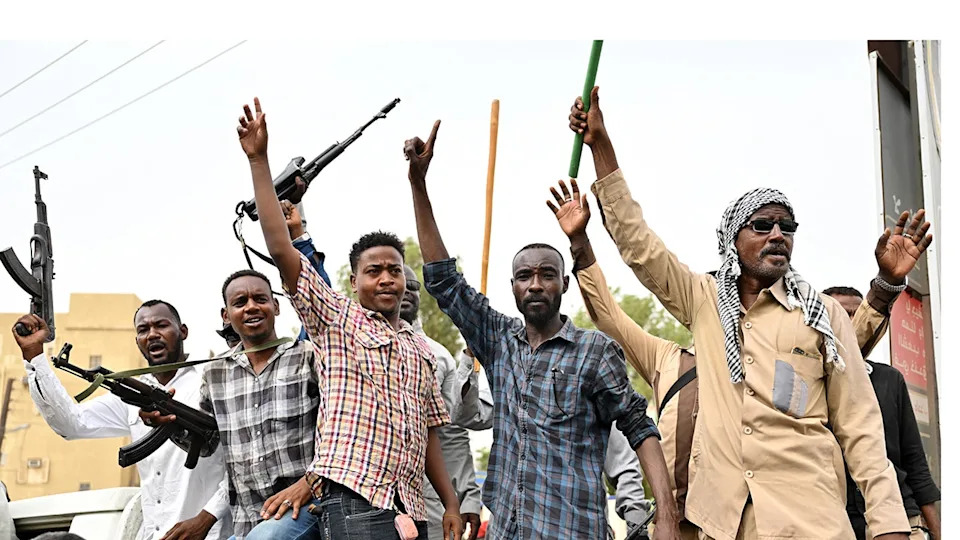
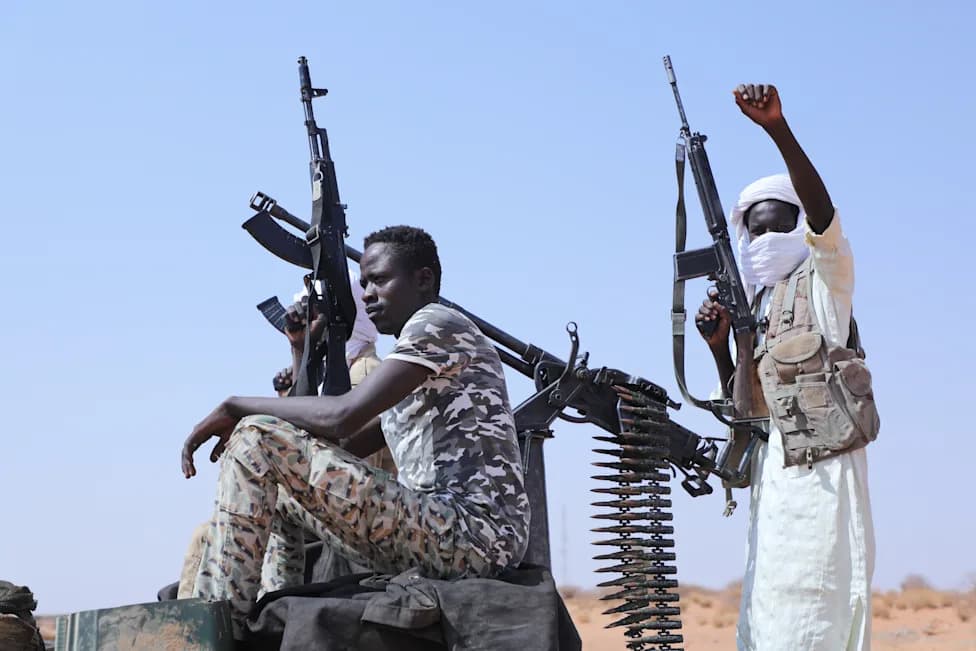
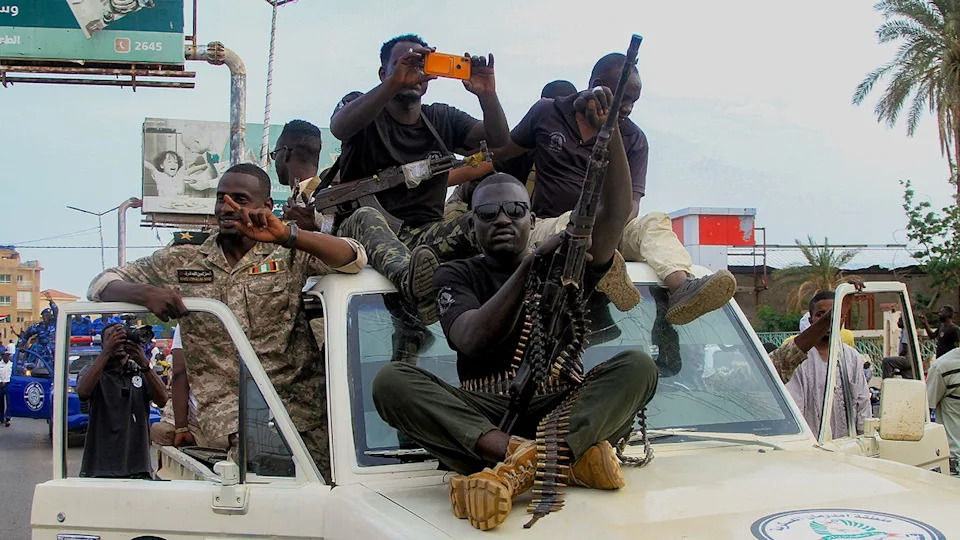
Armed men salute the governor of Sudan's Red Sea State Mustafa Mahmud in Port Sudan in the war-torn country on July 24, 2024. Sudan has been gripped by war since April 2023, when fighting erupted between forces loyal to army chief Abdel Fattah al-Burhan and the RSF led by his former deputy Mohamed Hamdan Daglo. The conflict in the country of 48 million has killed tens of thousands, displaced millions and triggered one of the world's worst humanitarian crises.
“We will keep our heads high. We will not accept bargaining, sell ourselves cheaply to anyone or bow to anyone,” Burhan said from Khartoum, according to Anadolu Agency. “We do not need a visa to any country or anyone's permission.”
Competing Narratives
The U.S. State Department has criticized both the SAF and the paramilitary Rapid Support Forces (RSF) for failing to commit to an immediate ceasefire, saying neither leadership represents legitimate constitutional governance. Officials said combat operations and drone strikes have intensified and repeatedly urged the parties to accept a humanitarian truce without preconditions as part of a broader political transition.
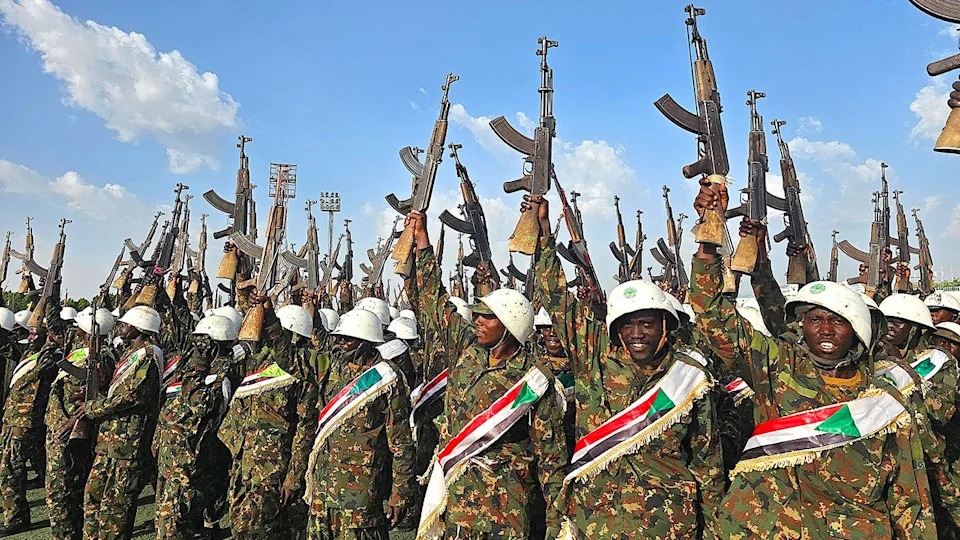
Members of Sudanese Armed Popular Resistance Force take part in a military parade for fresh graduates, in Al-Qadarif state, in eastern Sudan on May 20, 2026.
Khartoum pushed back. Dr. Amjad Farid Al-Tayyib, foreign affairs adviser to the Transitional Sovereignty Council, told Fox News Digital that Sudan did not reject the U.S. proposal but offered technical comments, and that a negotiating delegation had planned to travel with Burhan. He accused Washington’s last-minute visa decision of undermining the diplomatic process.
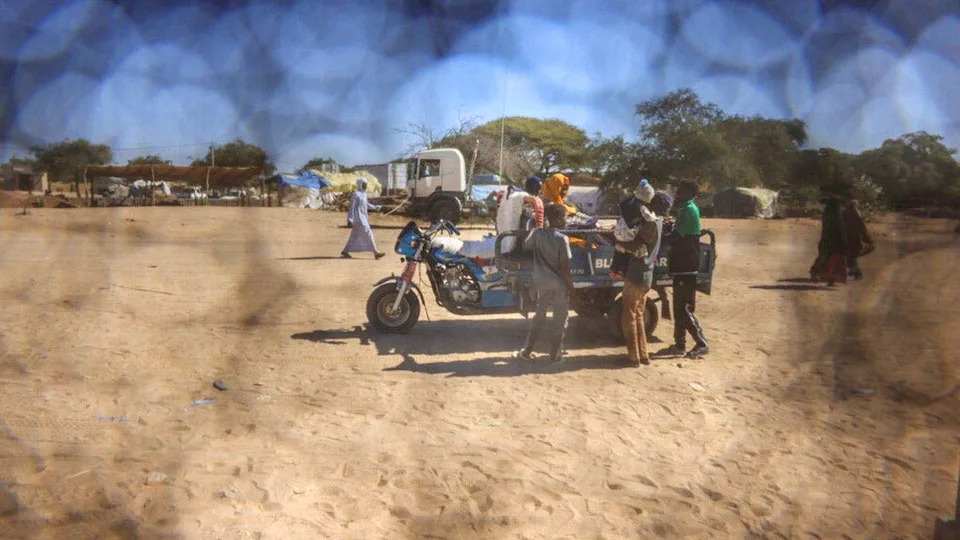
A Sudanese refugee father from Al-Fashir rides on a motorized cart with his family travelling between Chad and Sudan amid the ongoing conflict between the paramilitary Rapid Support Forces (RSF) and the Sudanese army, at the Tine border post in eastern Chad, November 22, 2025.
Humanitarian Toll
The fighting, which erupted in April 2023 after a power struggle between Burhan and his former deputy, RSF commander Mohamed Hamdan Dagalo (Hemedti), has created one of the world’s worst humanitarian crises. U.N. figures and reports cited in this coverage point to tens of thousands killed and millions displaced, with many living in makeshift camps and millions having fled across borders.
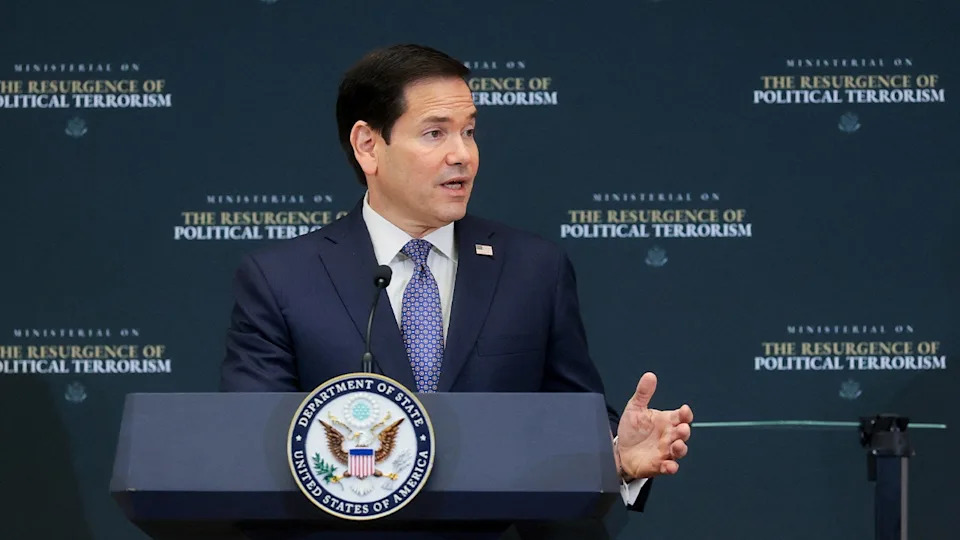
U.S. Secretary of State Marco Rubio delivers remarks at the start of a ministerial meeting on political violence, at the State Department in Washington, D.C., U.S., July 16, 2026.
U.N. Findings And Legal Distinctions
U.N. investigators have documented widespread abuses by both forces but have drawn sharper legal conclusions about the RSF’s conduct. A U.N. fact-finding mission found that both SAF and RSF carried out large-scale attacks and damaged civilian infrastructure, and it concluded that the RSF committed crimes against humanity—particularly during its siege of El Fasher—listing murder, torture, enslavement, rape, sexual slavery, forced displacement and persecution.
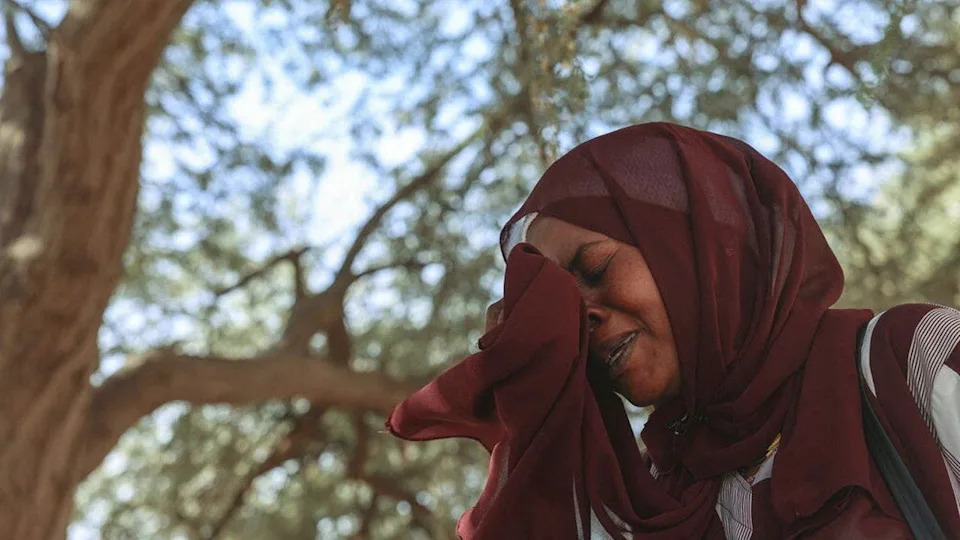
Mona Mohamed, 33, a Sudanese refugee who fled Al-Fashir, reacts during an interview with Reuters, amid ongoing conflict in Sudan between the paramilitary Rapid Support Forces (RSF) and the Sudanese army, at the Iridimi refugee camp, northwest of the town of Iriba, in Wadi Fira province, eastern Chad, November 27, 2025.
At the same time, U.N. officials emphasized that serious violations have occurred in areas controlled by SAF, including arbitrary detention, torture and summary executions.
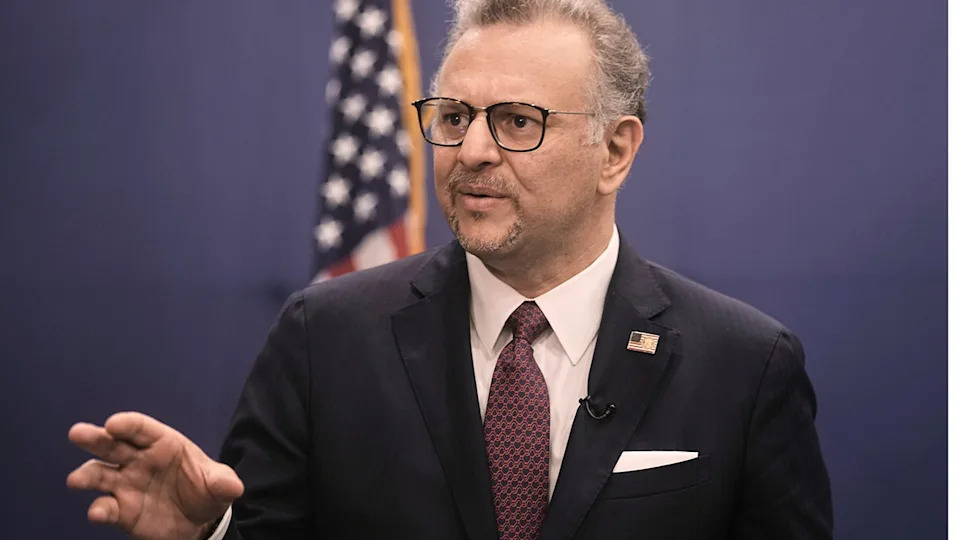
Massad Boulos, senior advisor to President Donald Trump, speaks during an interview with the Associated Press at the United States' embassy in Cairo, Egypt, Monday, Nov. 3, 2025.
Regional Rivalry And External Backers
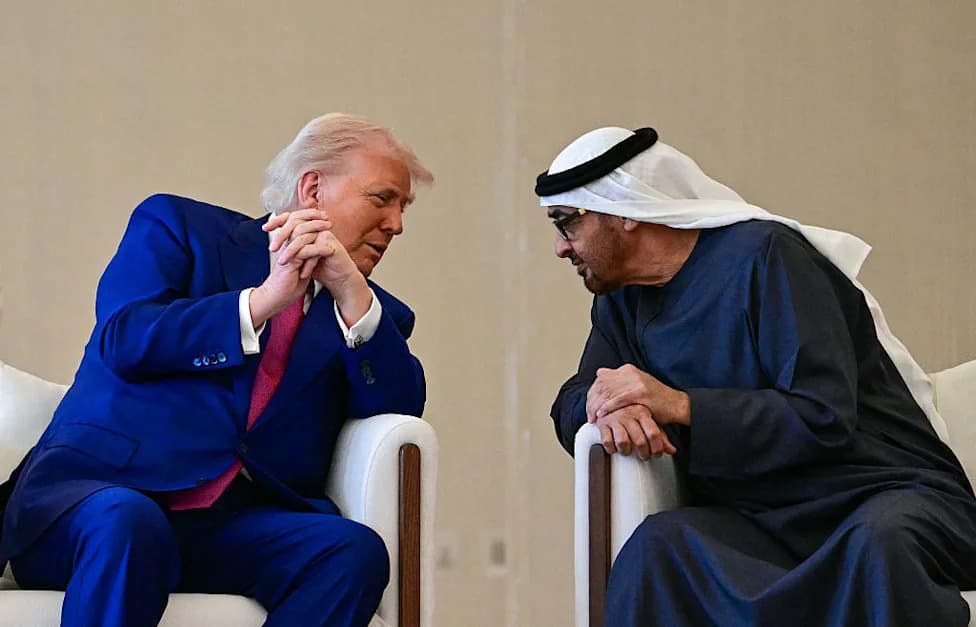
The conflict’s trajectory has been shaped by outside actors pursuing strategic interests. Assessments cited here indicate the RSF has benefited from external support networks linked to the UAE and neighboring states, while SAF has received backing from states including Egypt, Iran, Pakistan and Turkey. The result is a regional contest for influence—most visibly over Sudan’s Red Sea coastline, which offers potential military, port and commercial access.
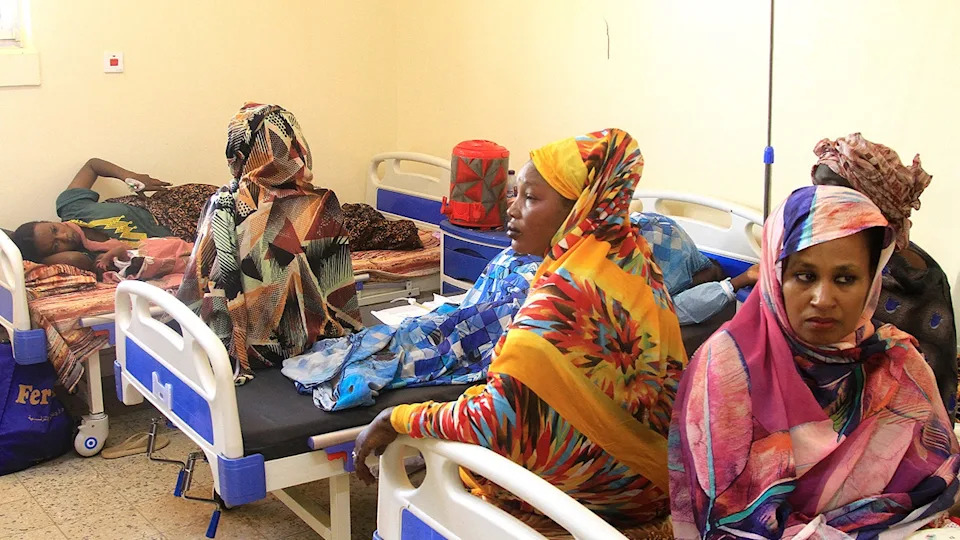
Patients are pictured in one of the rooms of the Saudi hospital in Khartoum's twin-city Omdurman on March 20, 2025 as most hospitals and schools no longer function in the Sudanese capital and its environs due to the ongoing war which broke out in April 2023. Since April 2023, the conflict has pitted army chief Abdel Fattah al-Burhan against his former deputy and RSF commander Mohamed Hamdan Daglo, leaving thousands dead and uprooting more than 11 million, according to U.N. figures, with many living in makeshift camps and over 3.5 million fleeing across the country's borders.
Diplomatic Challenges
U.S. and international mediators say any humanitarian truce must be tied to a broader package: a permanent ceasefire, sustained humanitarian access, a credible civilian political transition and reconstruction support. Critics argue that punitive, last-minute diplomatic moves—such as the visa denial—risk undermining trust and complicating negotiations. Former U.S. officials and analysts have urged more direct, personal diplomacy on the ground and better coordination with regional partners to press external backers to use their influence.
U.N. Position And Next Steps
The U.N. has pressed Washington over the visa decision and reiterated that halting the killing and securing a cessation of hostilities remain immediate priorities. U.N. spokespeople stress there is no military solution to the conflict and that any durable settlement must create conditions for an inclusive political process and civilian-led governance.
What to watch: whether the Quad and Quintet diplomatic frameworks can translate diplomatic pressure into concrete steps to end hostilities, secure humanitarian access, and persuade external backers to withdraw support for their proxies.
Help us improve.