Iowa’s rising cancer rates have become a leading issue ahead of the 3 November midterms, outranking the cost of living in some polls. Voters and candidates dispute how much industrial agriculture—heavy fertilizer use, CAFO runoff and pesticides like glyphosate—has contributed. Proposed responses range from incentive-driven conservation to stricter zoning and reduced corn-for-ethanol production, while grassroots farmers push voluntary nutrient-reduction and stewardship. Short-term legislative moves and long-term shifts in farming practices will determine whether the trend is reversed.
Why Rising Cancer Rates — Not Cost Of Living — Could Decide Iowa’s Midterms
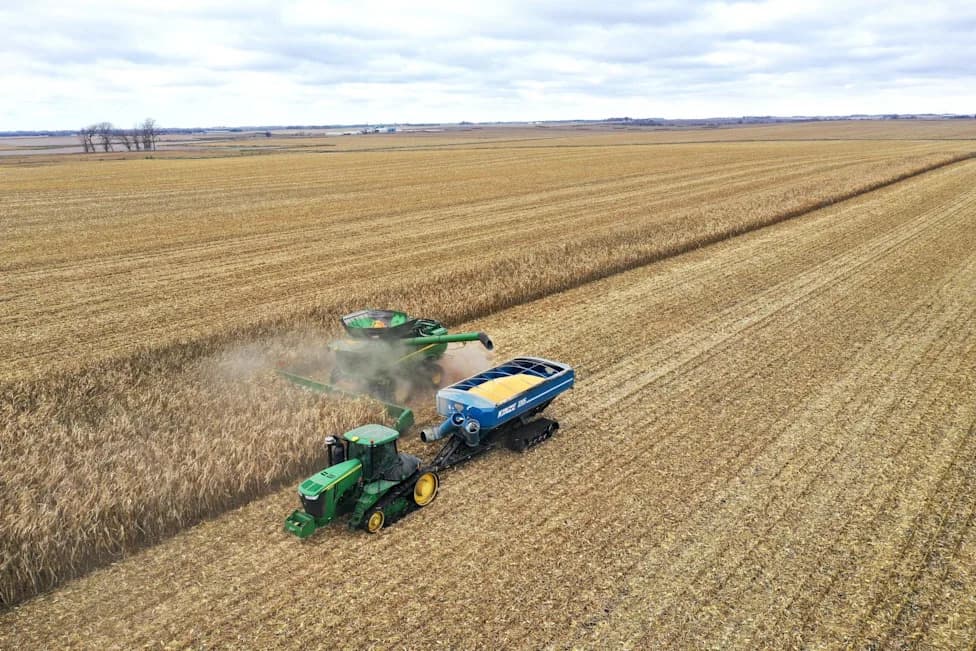
Harvesting corn on 31 October 2023 near McIntire, Iowa.Photograph: Scott Olson/Getty Images
As Iowa heads into the 3 November midterm elections, a surprising issue has surged to the top of voters' minds: steadily rising cancer rates across the state. What was once treated as a health or agricultural footnote is now a central campaign theme, reshaping debates from the governor’s race to the open U.S. Senate contest.
How Serious Is The Problem?
Iowa now ranks among the nation’s highest for overall cancer incidence. In 2022 the state recorded about 506 cases per 100,000 people, compared with a national average of roughly 442 per 100,000, according to National Institutes of Health data. Iowa is one of only three states—alongside Utah and West Virginia—where cancer rates have risen in recent years, a trend that began around 2012 and remains not fully explained.
Why It Matters Politically
Polling and public listening sessions indicate that cancer has overtaken even the cost of living in some local surveys as a top voter concern. Candidates across the political spectrum have responded: Republicans defending the state’s leadership and Democrats seeking gains alike have pledged action. The key point of contention is not whether to act, but how — and how much to blame industrial-scale agriculture for the state’s worsening health outcomes.
Where Agriculture And Health Intersect
Iowa is the country's top producer of corn and pork and a leading soy producer. Farming accounts for roughly a third of the state's economic output and one-fifth of its jobs. But intensive agriculture also contributes to environmental risks: Iowa farmers apply more fertilizer per acre than any other state and the state leads in concentrated animal feeding operations (CAFOs), both of which can increase nutrient runoff and contaminate water with nitrates.
Some studies link elevated rates of non-Hodgkin lymphoma and acute myeloid leukemia to exposure to glyphosate—the active ingredient in Roundup—one of the most widely used herbicides in Iowa. High nitrate levels in drinking water have also raised health concerns. Several waterways in Iowa are among the nation’s most polluted by nitrates; last year the Des Moines water utility imposed its first-ever lawn-watering ban and again rationed water this summer because source-water nitrate levels reached near-record highs.
Policy Proposals And Political Responses
Gubernatorial candidates and congressional hopefuls have unveiled competing plans. Republican Zach Lahn, who won an upset in the GOP primary, emphasizes incentives for farmers to curb pollution and accuses major chemical manufacturers of misleading the public. Democrat Rob Sand has proposed stricter manure-management practices, expanded radon testing, and programs to help farms enroll in conservation measures. Both candidates opposed a June Supreme Court ruling that made it more difficult for plaintiffs to sue manufacturers over Roundup-related cancer claims.
Democrat Chris Jones, running for state agriculture secretary, advocates a more transformative approach: zoning changes to manage CAFO impacts and a strategic reduction in corn-for-ethanol acreage to limit nutrient runoff. Incumbent Agriculture Secretary Mike Naig, a Republican and former industry lobbyist, did not respond to requests for comment.
Local Action And Grassroots Pressure
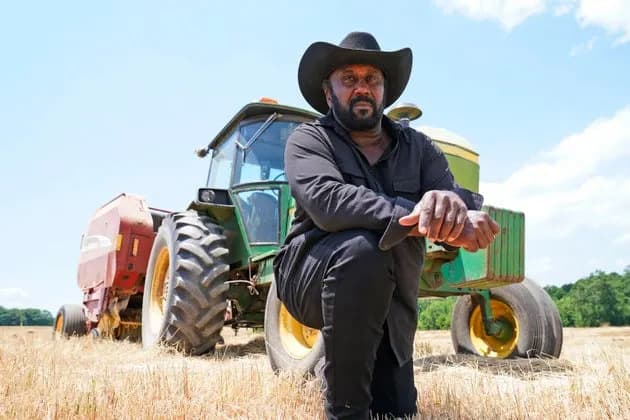
Not all change is waiting on elected officials. A grassroots group called the Lobe Rangers — three north-central Iowa farmers — are promoting profitable, lower-impact farming practices and championing the state's voluntary nutrient-reduction strategy. Longtime farmers such as Seth Watkins have voluntarily scaled down large operations to diversify crops and reduce environmental strain.
"It's definitely not gonna be solved by what's gonna happen in the election in 2026," said Zack Smith, one of the Lobe Rangers. "We'll maybe start making some steps in the right direction, but this is going to be something that is going to take a lot of change at a lot of different levels."
Other Factors And State Actions
Radon exposure — naturally higher in parts of Iowa — also contributes to cancer risk; this year the state legislature approved a law requiring radon-mitigation systems in new homes. The Republican-controlled legislature approved a $320 million investment in water quality in June, but critics say it offers limited new funding and does not sufficiently address pollution at its source.
What Comes Next
The political focus on cancer has raised public awareness and put pressure on officials to act. While the upcoming election is unlikely to resolve all underlying causes, campaigns and grassroots movements are making the issue central to policy debates. Whether this attention yields concrete, long-term changes to farming practices, regulation and public-health investment will depend on electoral outcomes and sustained public and political will.
Help us improve.