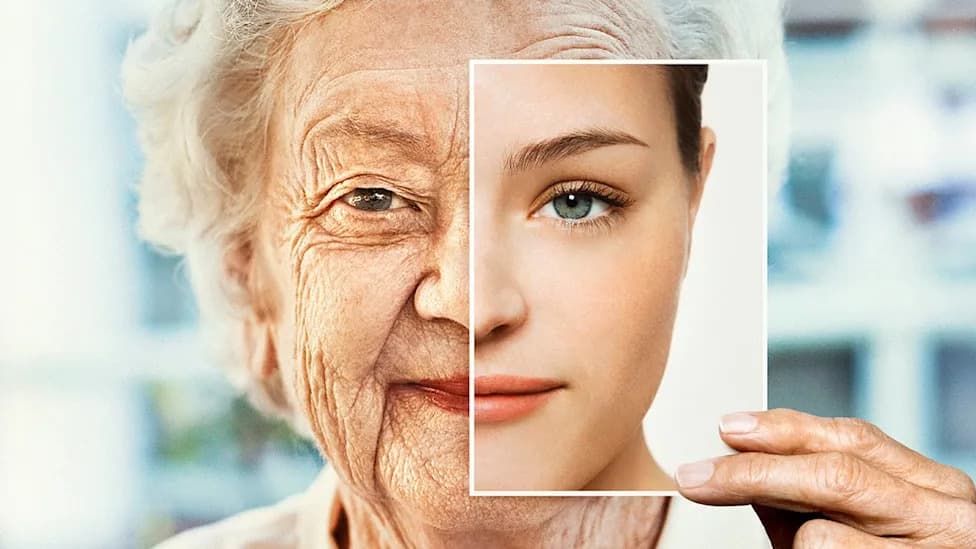
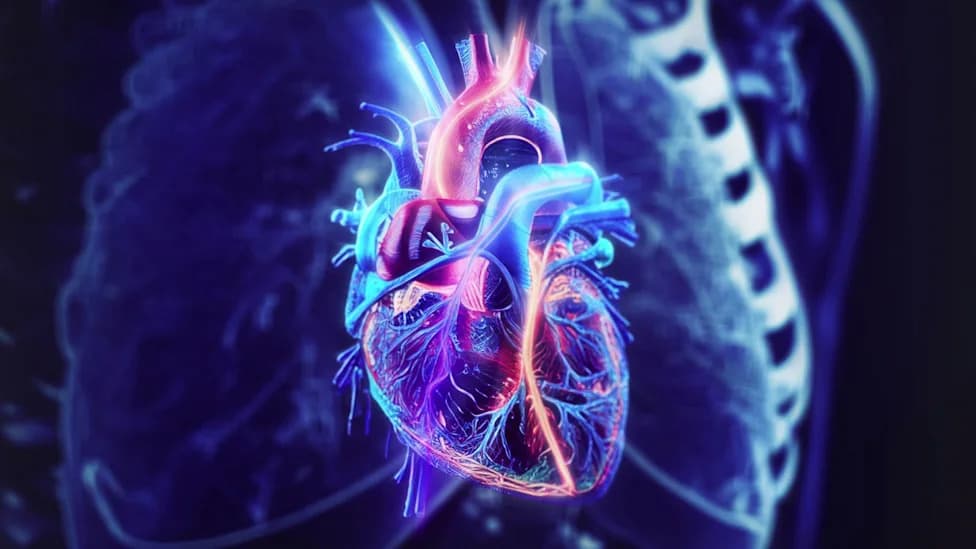
This study suggests that aging blood-forming stem cells can actively promote low-grade, chronic inflammation that harms organs beyond the bone marrow. Researchers found SIRT3 — a mitochondrial protein — declines with age in blood stem cells, and genetically boosting SIRT3 in mice reduced production of inflammation-promoting immune cells. Transplant and adoptive-transfer experiments produced improvements in muscle, memory, glucose control and lung structure, but the findings are limited to genetically modified mice and require validation in humans.
A Hidden Driver Of Aging May Start In Your Bones — Study Links Bone Marrow Stem Cells To Systemic Inflammation
(fhm/Moment/Getty Images)
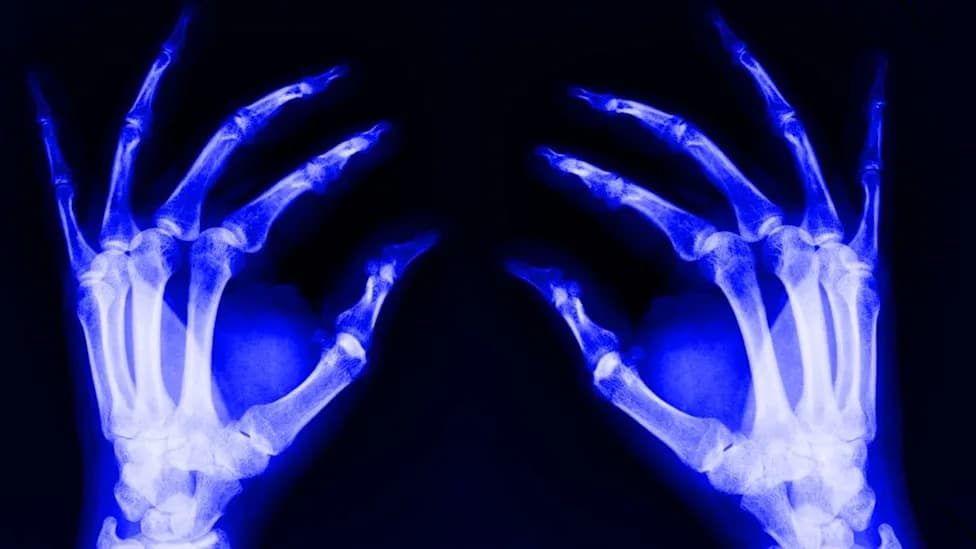
Bones do more than support your frame. Many contain bone marrow — a living factory that continually produces blood and immune cells that circulate to muscles, lungs, brain and other organs. Because those immune cells travel throughout the body, dysfunction in the stem cells that make them could have effects far beyond the skeleton.
What The Study Tested
A new study published in Nature Aging investigated whether aging in blood-forming (hematopoietic) stem cells merely reflects organismal aging or whether those cells can actively drive decline in distant tissues. The research focused on SIRT3, a mitochondrial protein that supports cellular energy production and helps cells cope with metabolic stress. The authors report that SIRT3 levels fall with age in blood stem cells from both mice and humans.

When stem cells grow old, the effects may not remain inside the bones. (master1305/iStock/Getty Images)
Experimental Approach
To test causality, researchers engineered mouse blood stem cells to overexpress SIRT3 and transplanted either the SIRT3-boosted cells or unmodified stem cells into young recipient mice whose immune systems had been ablated, allowing the grafts to reconstitute the animals' blood and immune systems. Animals were followed until about two years of age (an advanced age for laboratory mice).
Key Findings
- Mice that received SIRT3-enhanced stem cells produced fewer immune cells associated with chronic, low-level inflammation.
- Those mice performed better on multiple health measures: they ran farther, held on longer to an inverted screen (a test of strength/coordination), performed better on a memory task, regulated blood glucose more effectively, and had healthier lung structure.
- To test whether immune cells themselves carried benefits, the team isolated immune cells produced by SIRT3-boosted stem cells and transferred them into other young mice. Recipients of these cells showed improvements in muscle function, glucose control, and lung structure, supporting the idea that altered immune cells can transmit effects to distant organs.
"The strongest evidence comes from our transplantation and adoptive transfer experiments," said senior author Danica Chen, University of California, Berkeley.
Proposed Mechanism
Further analyses suggested that SIRT3 helps prevent blood stem cells from becoming locked into a biased output that overproduces inflammation-promoting immune cells. Boosting SIRT3 weakened that harmful bias in stem-cell output.

Subscribe to ScienceAlert's free fact-checked newsletter
Limitations And What Comes Next
Important caveats apply. These experiments were performed in mice using genetically modified stem cells. The pre-transplant conditioning required to accept donor marrow can itself affect physiology. The study assessed selected functional and structural outcomes and does not demonstrate that increasing SIRT3 slows aging, extends lifespan, or improves health in people. Most critically, whether the same mechanism operates in humans remains to be determined.
If future research confirms this pathway in people, blood-forming stem cells — or SIRT3-related interventions — could become targets for reducing age-related, body-wide inflammation. For now, SIRT3 is a promising research target, not a therapy.
Study published in: Nature Aging.
Help us improve.