The study finds that aging tissue-resident macrophages accumulate the receptor EP2, impairing their ability to clear short-lived neutrophils and driving chronic inflammation. In mice lacking the EP2 gene, 59 of 71 age-altered blood proteins retained a more youthful profile, many linked to the liver. The results point to EP2 as a potential anti-aging target, but selectively blocking EP2 is challenging because PGE2 has beneficial roles through other receptors.
Flip One Molecular Switch in Immune Cells — It Might Slow Aging, Study Finds

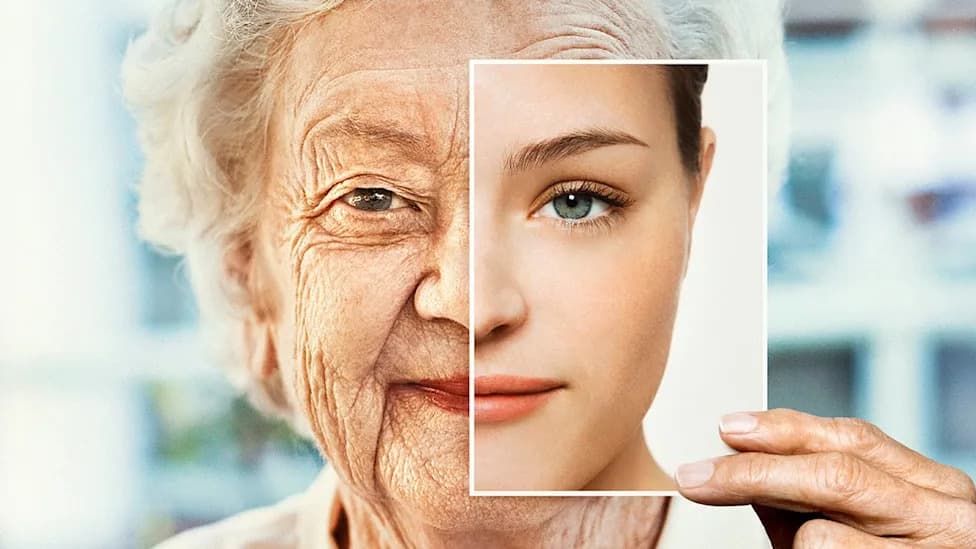
Scientists May Have Found a Way to Slow Down AgingIUshakovsky - Getty Images
A new study offers a concrete mechanism linking immune decline to systemic aging: aging tissue-resident macrophages accumulate a receptor called EP2, which blunts their ability to clear short-lived neutrophils. When those senescent neutrophils build up, they trigger chronic inflammation and drive the tissue damage associated with aging.
How the immune cleanup normally works
Neutrophils are the immune system's frontline cells, built for quick response and a short lifespan (often a day or less). The body produces roughly 100 billion white blood cells daily, and efficient removal of spent cells is essential to avoid harmful inflammation. That removal job falls primarily to macrophages — including tissue-resident macrophages that live inside organs such as the liver.
What EP2 does and why it matters
Those tissue-resident macrophages also make prostaglandins, signaling molecules such as PGE2. PGE2 acts through several receptors; one of them, EP2, is associated with proinflammatory signaling. The new research shows that EP2 levels rise in aging macrophages, and this accumulation impairs the macrophages' ability to clear senescent neutrophils. The resulting accumulation of dying neutrophils fuels chronic inflammation — a hallmark of aging.
What the mouse experiments showed
To test the idea, researchers engineered mice lacking the EP2 gene and compared them with normal controls across ages. In aged control mice, researchers observed changes in 71 blood proteins linked to aging. In aged EP2-knockout mice, 59 of those proteins retained a more youthful profile, with many of the preserved proteins originating from the liver. Markers of neutrophil senescence were reduced in EP2-deficient animals as well.
"Senescent neutrophils are killing our tissues," said Katrin Andreasson of Stanford, the study's senior author. "Clearance of these cells is essential for preventing chronic inflammation."
Implications and therapeutic challenges
The findings highlight the liver as an organ rich in tissue-resident macrophages and a major contributor to aging-related changes in blood chemistry. They also point to EP2 as a promising target for interventions aimed at slowing some aspects of aging. However, translating this into a drug is not straightforward: many existing medicines affect PGE2 signaling broadly, and eliminating PGE2 entirely is not an option because it has beneficial effects through other receptors. The challenge is to block EP2 selectively while preserving the helpful actions of PGE2 at other receptors.
"We've been trying to figure out why we age," Andreasson said. "Now we know at least one big reason for it."
In short, the study identifies a single receptor whose age-related buildup in macrophages can tip immune cleanup into failure, promoting chronic inflammation and systemic aging. Future work will focus on designing targeted ways to modulate EP2 signaling without disrupting other prostaglandin functions.
Help us improve.