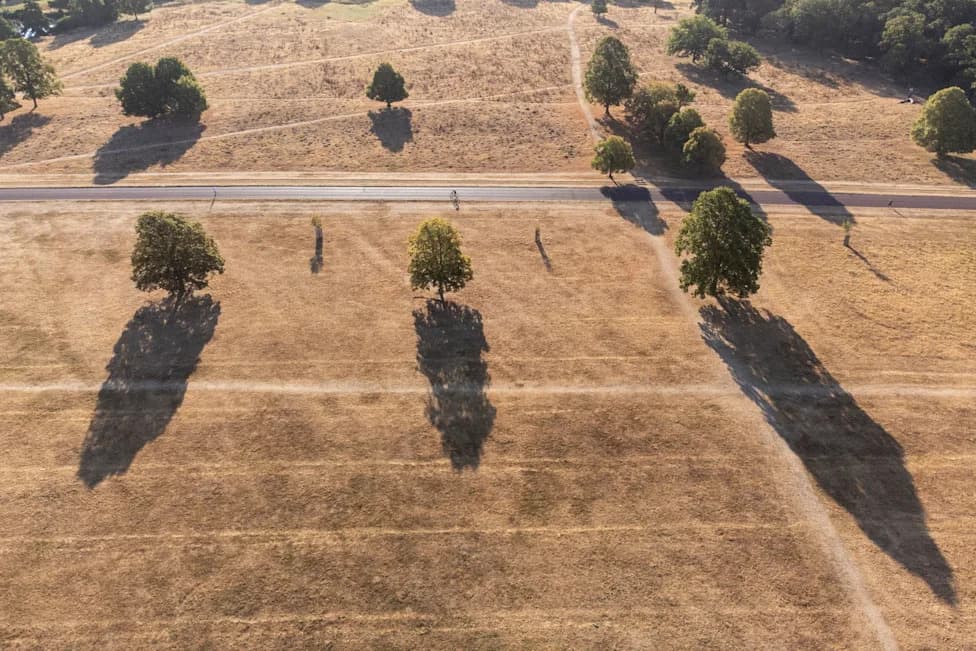
Philip Parker, manager of Kings Dyke Nature Reserve near Peterborough, warns a wildfire could devastate the site after a major blaze at nearby Holme Fen on 10 August. Dry conditions have left breeding ponds for species such as the endangered great crested newt largely dried out, and a disposable barbecue recently started a small fire on the reserve. Kings Dyke recorded strong biodiversity this year — including 188 moth species and over 3,400 species historically — but those gains are at risk if a larger fire occurs.
Wildfire Risk Threatens Rare Species at Kings Dyke Nature Reserve
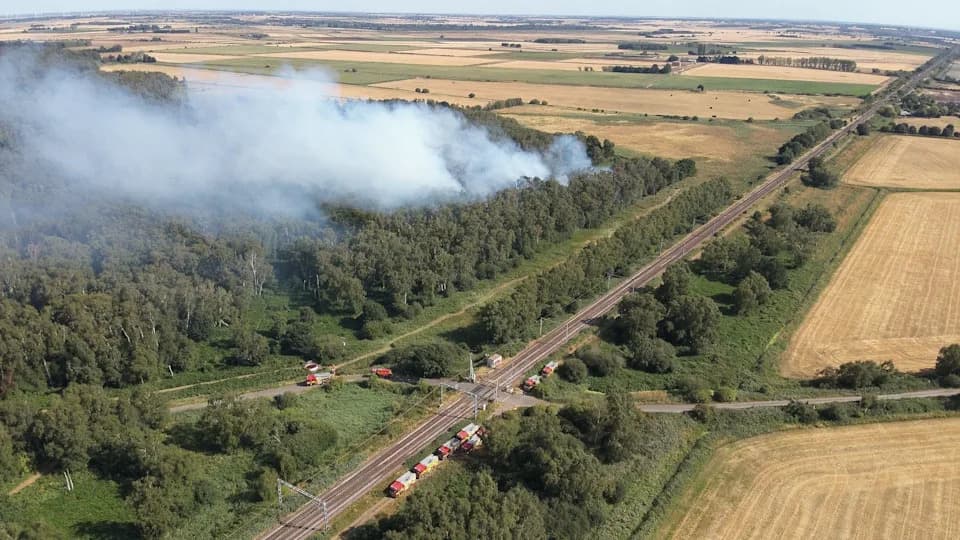
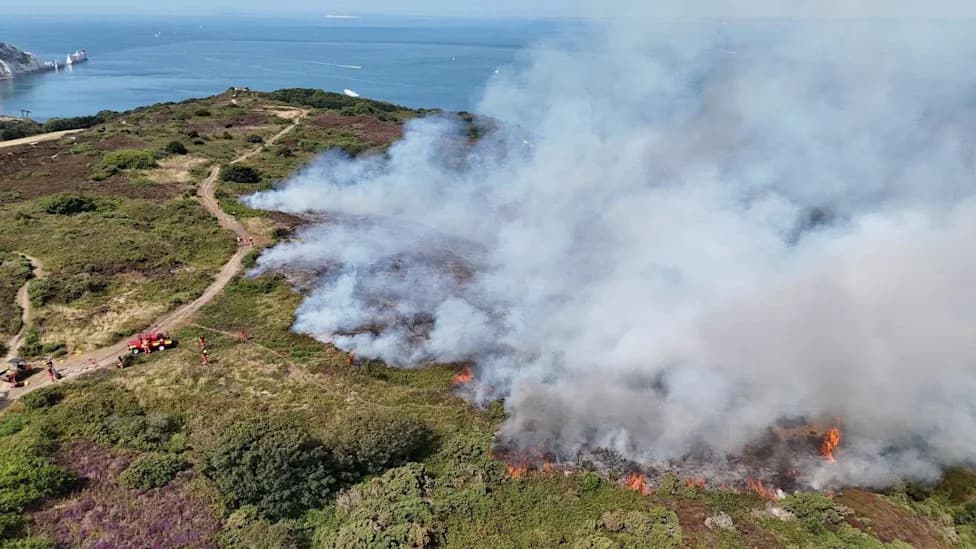
The fire at Holme Fen broke out on 10 August [Cambridgeshire Fire and Rescue Service]
Philip Parker, manager of Kings Dyke Nature Reserve in Whittlesey near Peterborough, says he is "frightened to death" that a wildfire could sweep through the site after a major blaze at nearby Holme Fen. The reserve lies about five miles (8 km) from Holme Fen, where a large fire broke out on 10 August.
Dry Conditions Raise Alarm
Parker says the tinder‑dry conditions since the Holme Fen fire have left him expecting an early‑morning call to report a blaze at Kings Dyke. In recent weeks a disposable barbecue on the reserve sparked a small fire, underscoring how easily a larger incident could start.
Rare Species Already Under Stress
Some resident species have suffered this year as water levels fell. Parker warned that endangered great crested newts have "struggled this year" because "the ponds where they breed are pretty much all dried out." If a wildfire were to sweep the reserve, established habitats and breeding sites could be irreversibly damaged.
Record Biodiversity at Risk
Kings Dyke covers roughly 120 acres (about 49 hectares) and is adjacent to the Forterra brickworks, which owns the land. Despite the drought, the reserve reported an impressive annual survey: 188 moth species were identified during the count, including 32 species new to the reserve. Moth trapping this year delivered unprecedented results, with several Scarlet Tiger moths among the surprises.
The survey also produced more than 1,000 bird records over the monitoring period, sightings of the Norfolk Hawker dragonfly, and a small pink wildflower. Across the years, Parker says the site has documented more than 3,400 species in total — a testament to long‑term habitat management that could be undone by fire.
"I sort of wake up every morning expecting the phone call to say something's happened," Parker said.
Tim Darling, Forterra's head of land and mineral resources, praised the volunteers and managers: "To see more than 1,000 bird records over a single weekend is a fantastic achievement and reflects years of careful habitat management and the dedication of everyone involved in the reserve."
With the region experiencing unusually dry conditions and nearby fires demonstrating how fast habitats can be lost, conservationists at Kings Dyke are urging vigilance from visitors and calling for continued support to protect the reserve's wildlife.
Help us improve.