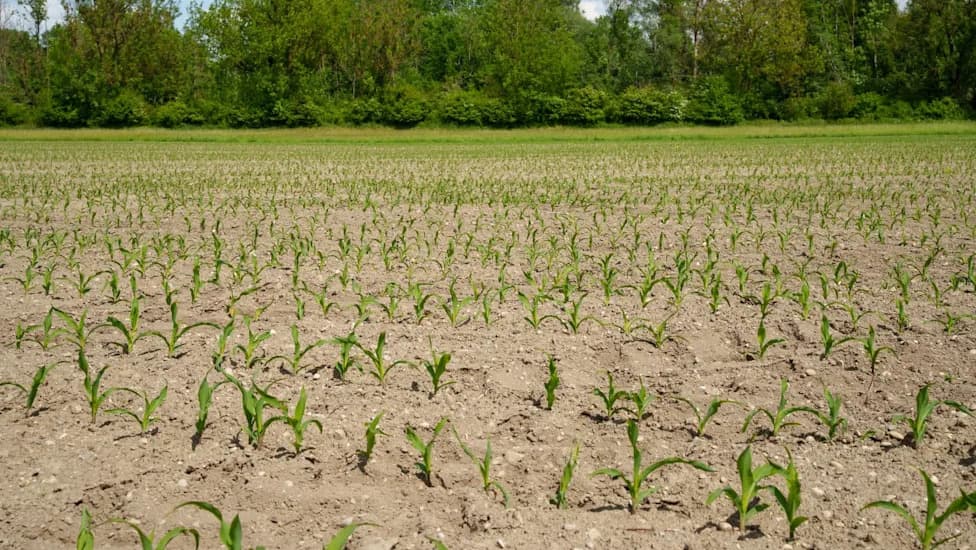
German Winegrowers Confront Rising Heat — Faced with an intense heatwave and record-low river levels, winemaker Florian Weingart has mulched one third of his six-hectare vineyard and uses a drip system covering 1.85 hectares to protect vines. He transported about 1,000 small straw bales in four weeks to reduce evaporation. Harvests are coming earlier — often in September or even August — and yields at his estate have fallen from roughly 6,000 to 5,000 litres.
Heatwave Forces German Winegrowers to Mulch, Irrigate and Harvest Earlier
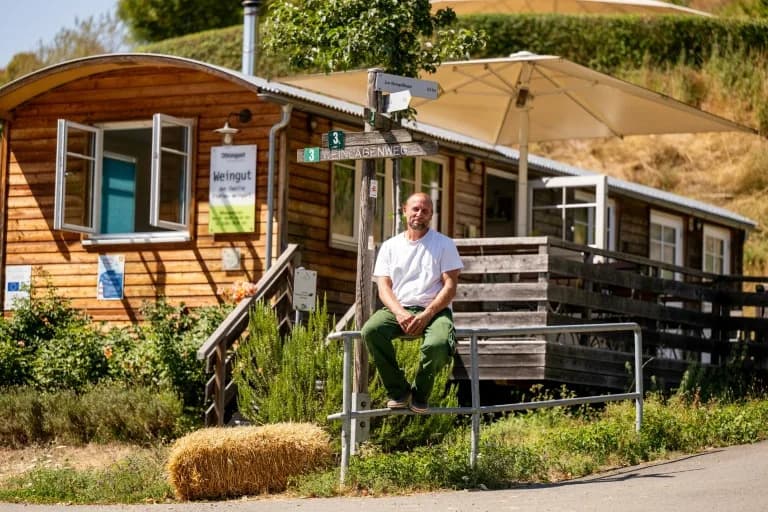
Weingart expects another early harvest (Torsten Silz)
As another intense heatwave grips Europe, German winegrower Florian Weingart is resorting to labour-intensive measures to protect his vines: spreading straw to trap soil moisture and relying on drip irrigation to keep young plants alive.
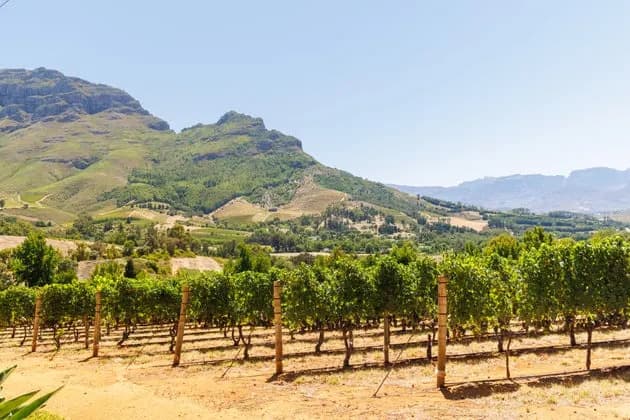
From his terraced plots above the Rhine in the village of Spay, Weingart watches hills browned by drought and the river at record lows. The combination of prolonged heat and low rainfall has pushed many small estates to adapt quickly or risk poor harvests.
Mulching And Manual Work
Weingart has covered roughly one third of his six-hectare site with straw mulch to reduce evaporation and preserve topsoil moisture. "It really is a lot of work," he admitted, noting that over the past four weeks he transported and scattered about 1,000 small straw bales across the vineyard. Mulching — once used largely to improve soil health — is increasingly applied as a direct defence against rising temperatures and drier conditions.
Irrigation: A Lifeline For Young Vines
Complementing the mulch is a drip irrigation system, installed in 2013, that covers 1.85 hectares and delivers water steadily to the roots every few days. Weingart says areas without irrigation would be "basically lost" at harvest time, and he no longer plants young vines unless irrigation is available because of the high risk they won't establish in the first three to four years.
"The harvest is hanging by a thread,"
In addition to watering and mulching, Weingart emphasises maintaining healthy soil and limiting competing weeds so vines can access more moisture during heat spells.
Earlier, Smaller Harvests
Harvests are arriving earlier than they used to: Weingart expects to pick in September, whereas decades ago the region typically waited until October. Yields at his estate have fallen from around 6,000 litres in earlier years to roughly 5,000 litres recently — enough for about 40,000 bottles. Elsewhere in Germany some growers began harvesting in early August, a shift of roughly four weeks compared with 30–40 years ago, according to the German Wine Institute.
While warmer conditions have opened opportunities for experimenting with different grape varieties and expanding cultivation into marginal areas, Weingart warns that the growing risks of prolonged drought and heatwaves are starting to outweigh those benefits.
As climate pressures intensify, small-scale producers like Weingart are increasingly balancing traditional winemaking practices with more labour-intensive climate adaptations to sustain yields and protect vines.
Help us improve.