Heat and drought have severely reduced hop yields in Austria's Mühlviertel and are stressing crops across Bavaria, where several regions supply a large share of global hops. There are no immediate warnings of an Oktoberfest beer shortage, but smaller cones, pest pressure and reduced yields could affect costs and production downstream. Growers are expanding irrigation and testing alternatives such as winter barley, while the Terrathesis project will study local climate impacts on agriculture and brewing through 2029.
Heat, Drought and Shrinking Hops: Could Oktoberfest Beer Be at Risk?
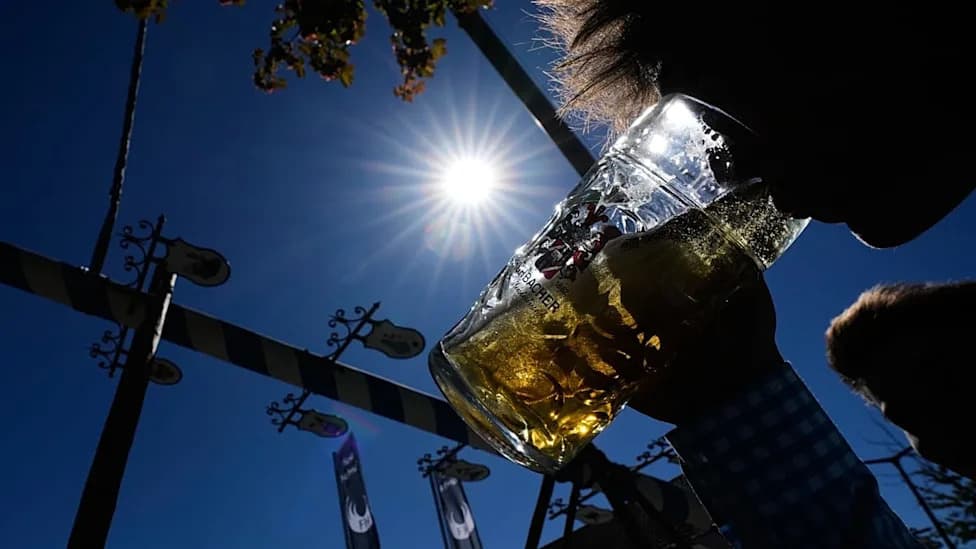
Heat and drought: Why beer at Oktoberfest could soon be in short supply
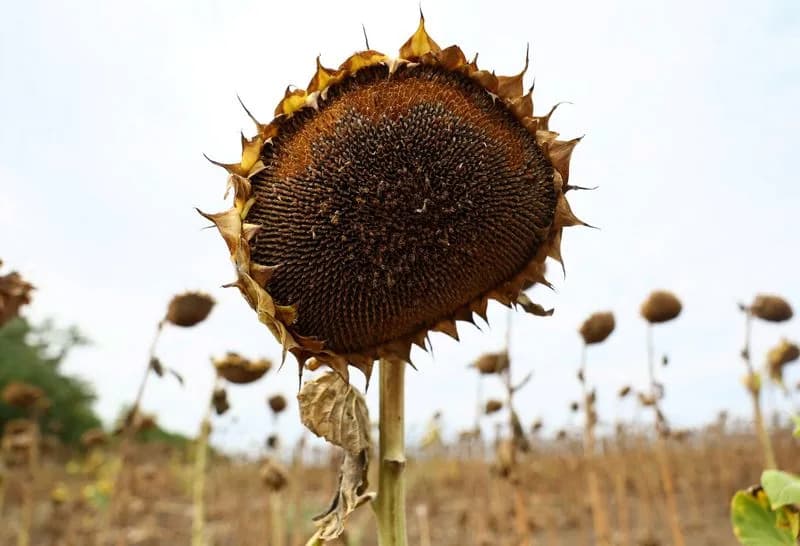
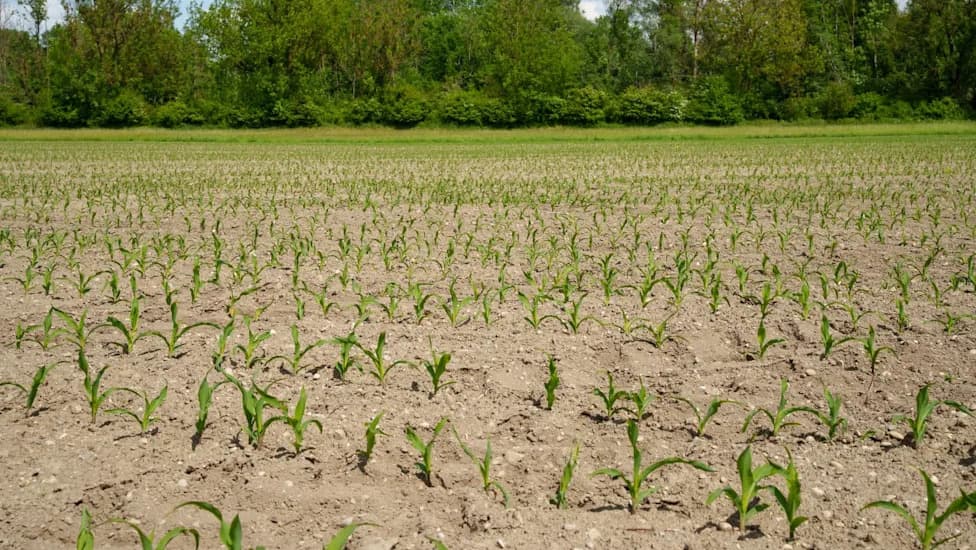
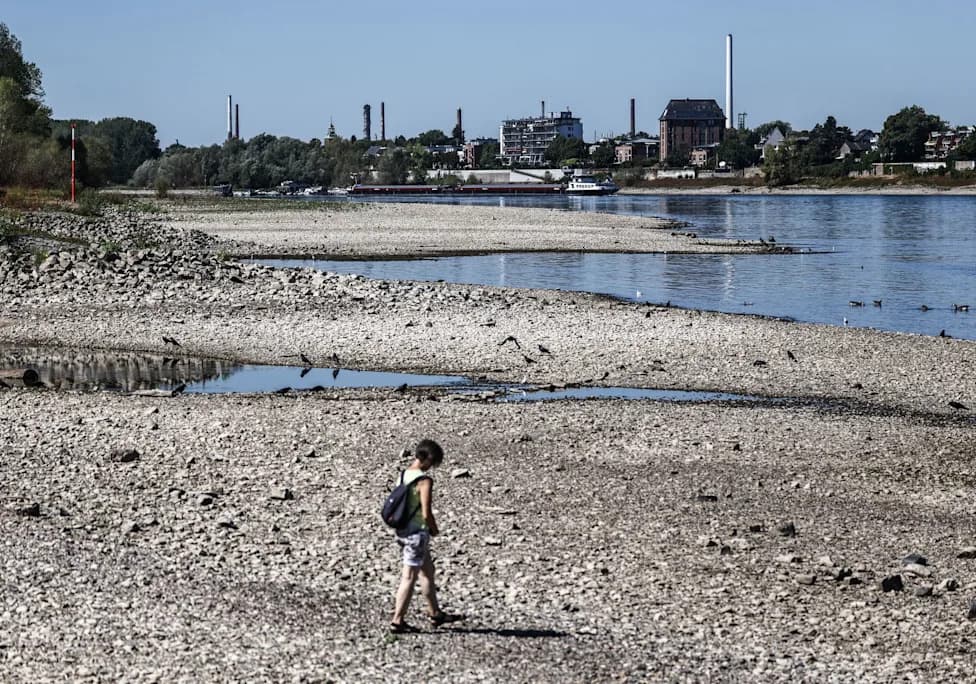
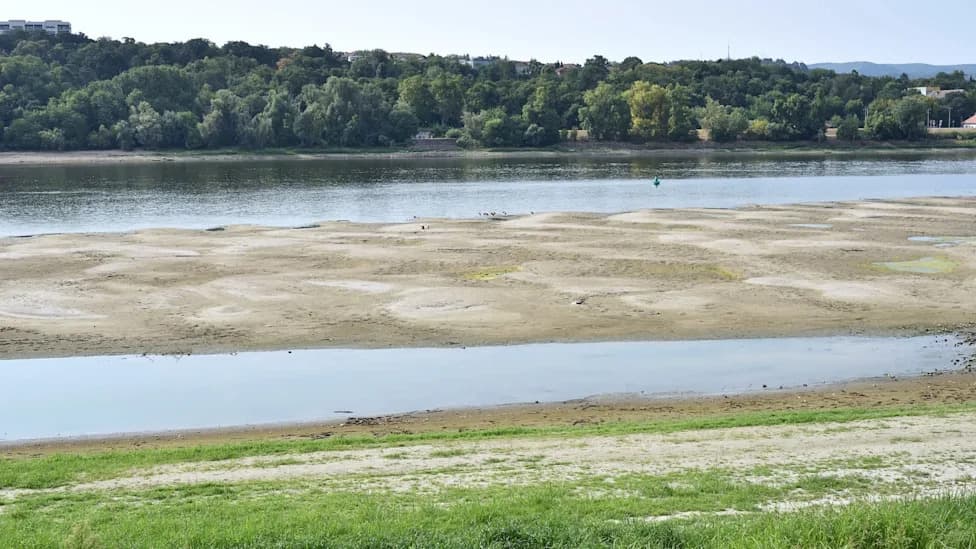
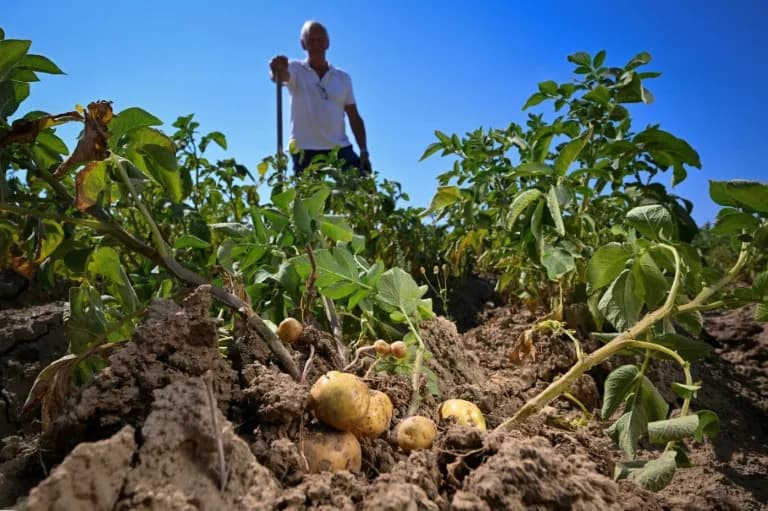
Heat, parched soils and markedly smaller hop cones have left many hop growers in Austria and Germany facing a worrying harvest season. The Mühlviertel in Austria — one of the country's key hop-producing regions — has been hit particularly hard, and farmers across Bavaria are reporting similar stress on plants and yields.
Damage and Immediate Outlook
"The heat and the drought have taken a heavy toll on us. Some of my plants are completely ruined," says Stefan Hofer, chair of the Mühlviertel hop growers' co-operative, in an interview with ORF. He adds that even vines that survived the dry spell have not developed normally: "The others simply haven't been able to form cones in the same way. Everything is about half the size of a normal year."
Germany — one of the world's largest hop producers — is also feeling the strain. The Franconian town of Spalt and three other German growing regions together account for roughly 40% of global hop production, making the regional impact globally significant. Extended dry spells reduce plant growth and increase pest pressure, especially from spider mites, which can cause substantial crop losses when outbreaks are severe.
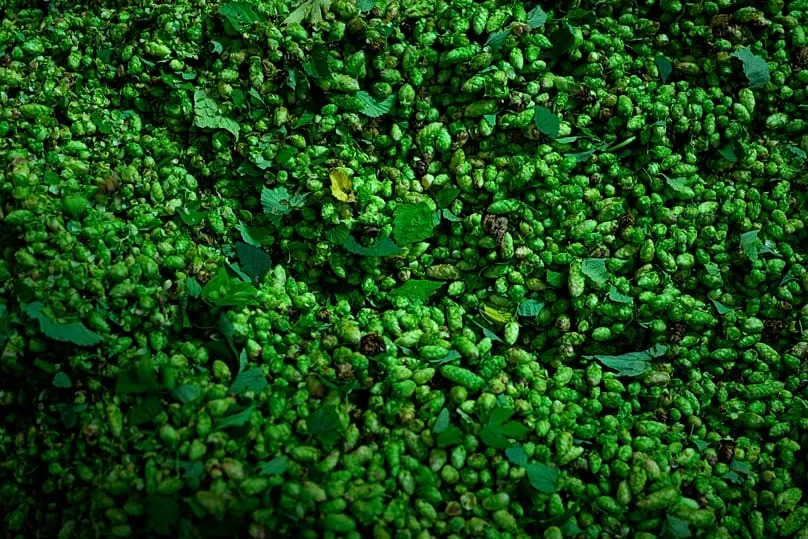
Hops being processed on a farm in Huell near Wolnzach in Germany. - AP Photo
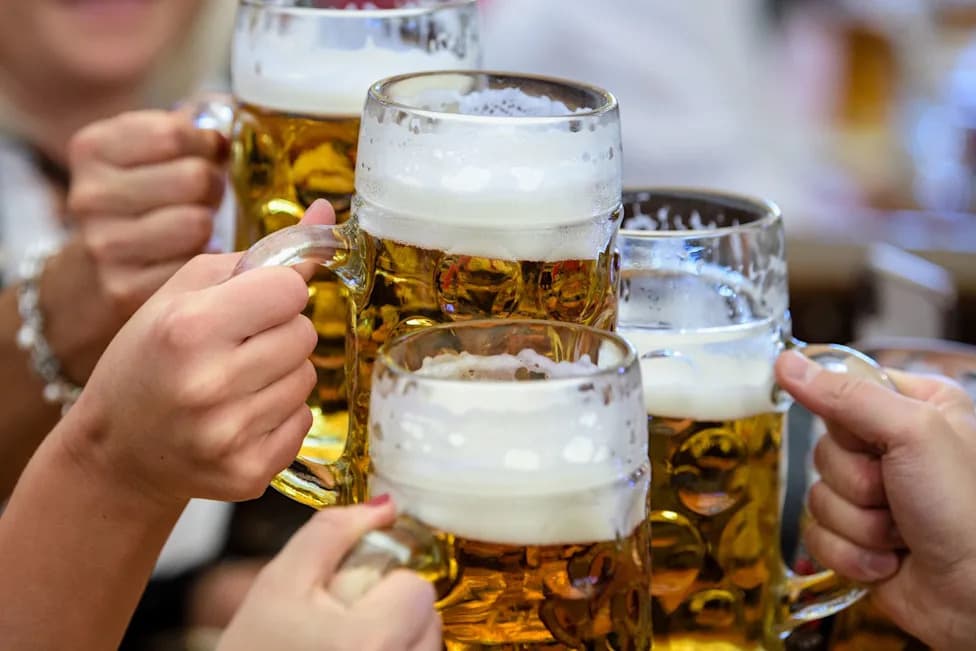
Will Oktoberfest Run Short of Beer?
For now, organisers and brewers have not issued warnings of a shortage of beer at this year’s Oktoberfest. However, brewing inputs like hops and barley are central to beer flavour and production, and reduced hop yields could eventually ripple through the supply chain. The ultimate impact on prices and production depends on harvested volumes, existing stocks, long-term contracts and how much land is planted next season.
Irrigation and Infrastructure Responses
Producers are pursuing adaptation measures. In Austria's Mühlviertel, around 20% of hop acreage now has irrigation systems, and demand for irrigation is expected to rise. Larger projects are being planned in Bavaria: a proposed scheme in the Spalter Hügelland would pump winter water from a bank-filtration well on the River Fränkische Rezat into a storage basin to irrigate about 400 hectares during dry months. Using bank filtrate aims to reduce pressure on groundwater.
Estimated costs for that project are up to €20 million, with the Free State of Bavaria expected to cover about half and participating farmers contributing the rest. In the Hallertau — Germany's largest hop-growing region — a local irrigation association representing 461 farms across roughly 12,000 hectares is advancing plans for new infrastructure with €9.5 million in Bavarian support.
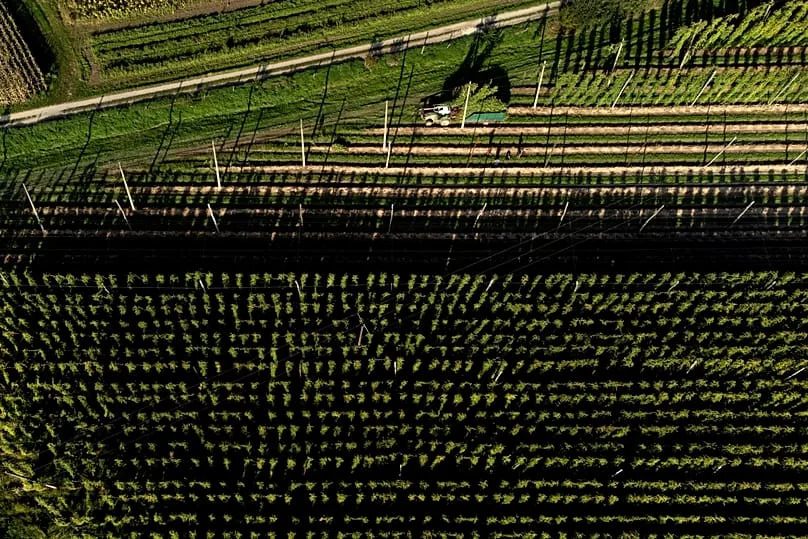
A farmer harvesting hops in Huell near Wolnzach. - AP Photo
"Simply turning on the tap is not sufficient," says Manuel Starlinger, managing director of the Mühlviertel hop growers' cooperative, underscoring that irrigation must be part of a broader adaptation strategy.
Barley Trials and Brewing Adaptation
Brewers and farmers are also reassessing barley varieties. Spring barley — commonly used in brewing — struggles in drier conditions because it develops in increasingly arid spring and summer months. "Spring barley has a big problem; it only ripens under stress and does not grow properly," brewmaster Jörg Kirchhoff told broadcaster rbb.
As an alternative, a brewery in Potsdam is trialling winter barley on two hectares in the Uckermark. Winter barley is sown in October and benefits from autumn and early-winter moisture, often giving it a growth head start by January. These trials will test both agricultural viability and brewing performance.
Research and Long-Term Planning
These field trials are part of the Terrathesis project at the Film University Babelsberg, funded by the Volkswagen Foundation. The interdisciplinary project connects science, agriculture and the brewing industry to examine the concrete local effects of climate change in Brandenburg and runs until the end of 2029. "Everyone talks about the weather changing and things getting drier. But what does that actually mean? Among other things, it means that your local brewery is running into problems," says project leader André Nebe.
What Consumers Should Know
Consumers need not panic today, but the situation highlights how climate stress can affect food and beverage supply chains. Farmers, brewers and policymakers are investing in irrigation, crop trials and research to safeguard future supplies, but costs, time and coordination will determine how quickly those measures can offset declining yields.
Help us improve.