Months after a jet-fuel leak under Mount Eyre Manor was confirmed in January 2025, residents still lack a permanent fix to restore safe drinking water. Testing at 28 homes found benzene and xylenes, with fuel visible in six wells, and Energy Transfer has drilled 44 monitoring wells to map contamination. More than 200 residents rely on point-of-entry filters that do not restore the aquifer, while state and local authorities supervise cleanup and federal involvement has been limited. Local leaders and lawmakers are pressing for stronger oversight, transparent testing and funding to connect homes to public water.
Months After Jet-Fuel Leak, Mount Eyre Manor Still Without Safe Drinking Water
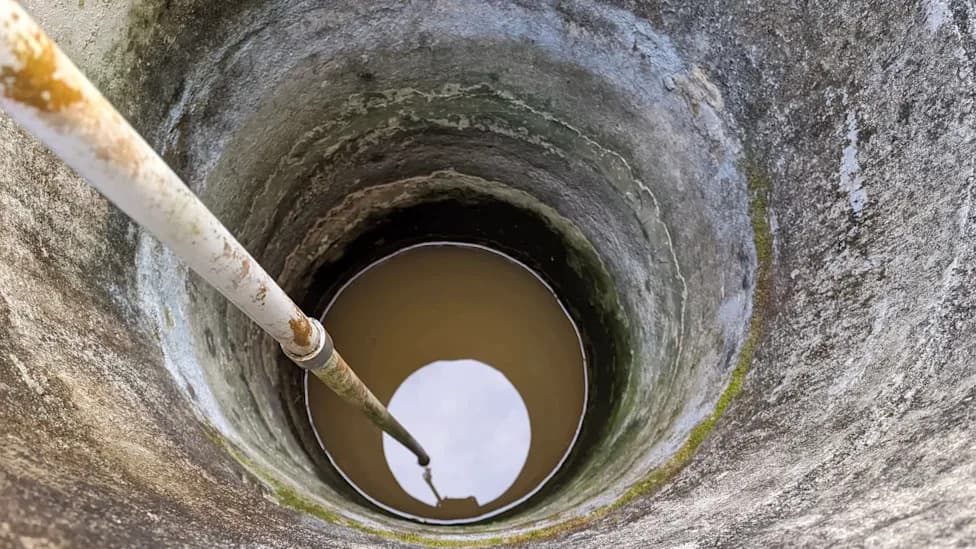
Photo Credit: iStock
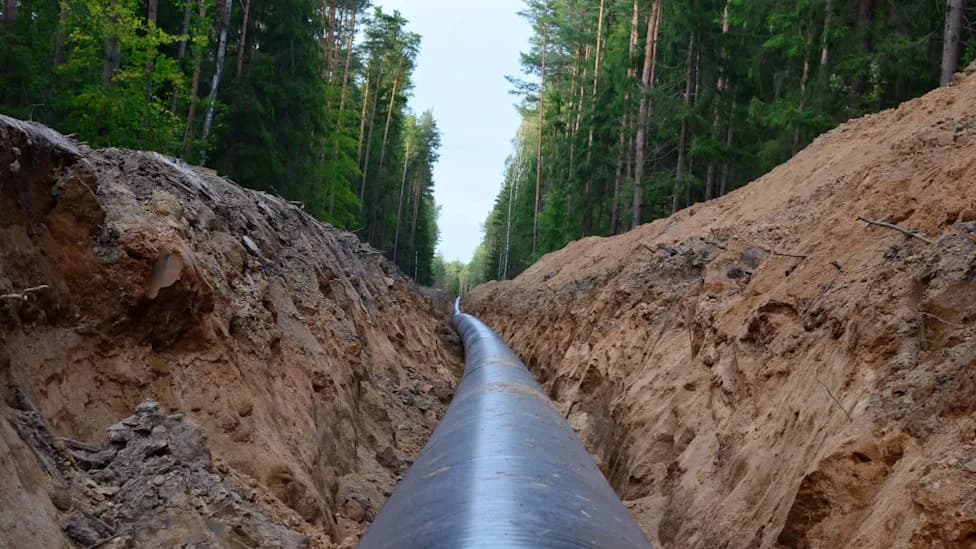
Months after a jet-fuel leak beneath Mount Eyre Manor was confirmed in January 2025, residents say a permanent solution to restore safe drinking water has not arrived. Families report crews drilling outside homes and ongoing uncertainty about the extent of contamination beneath the neighborhood north of Philadelphia.
What Happened
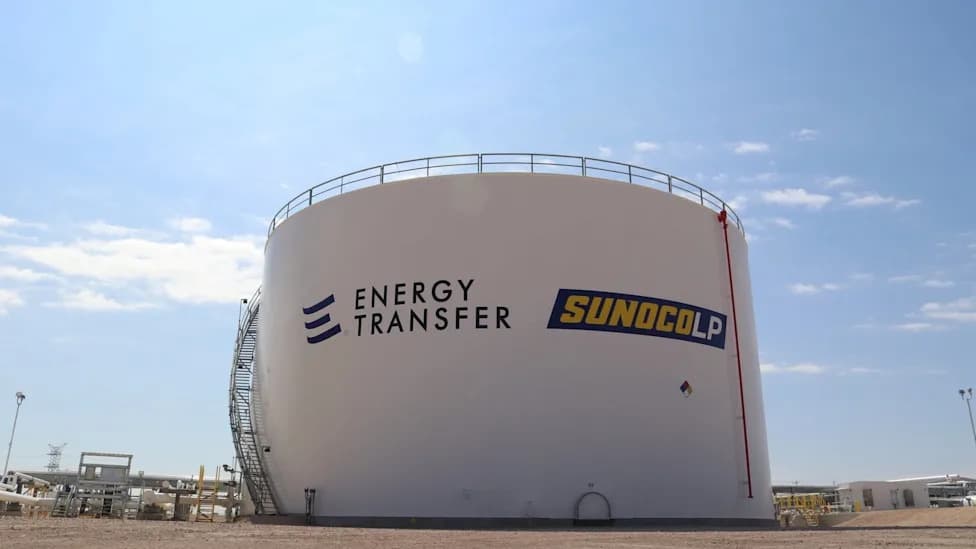
A crack in a decades-old pipeline leaked jet fuel under homes in Upper Makefield Township. Energy Transfer and its subsidiary Sunoco are leading the response and have installed monitoring wells and treatment systems while state regulators oversee cleanup activities.
Testing And Scope
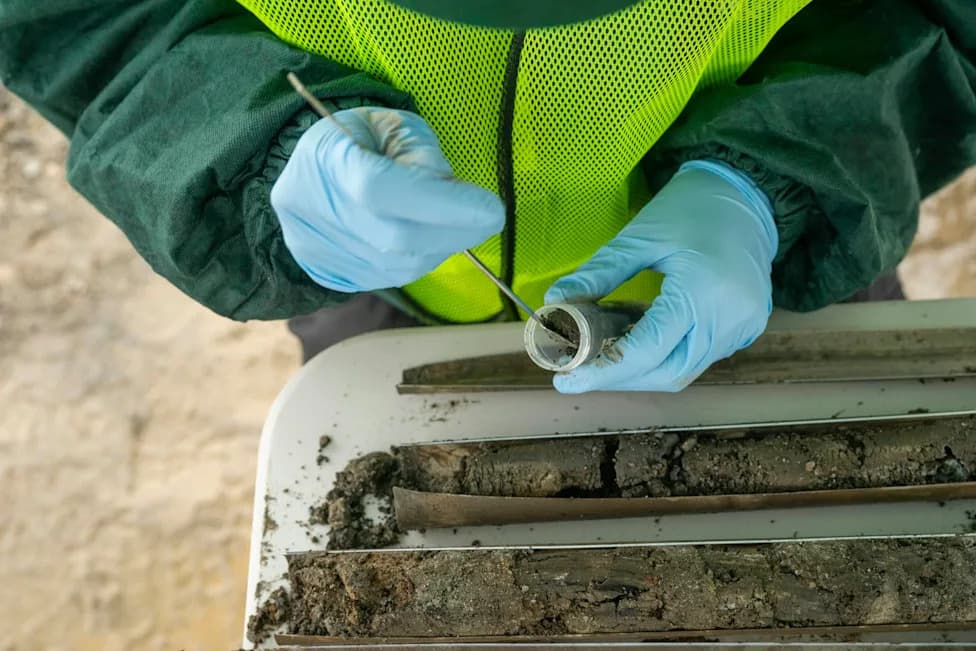
Testing at 28 homes detected petroleum-related chemicals, including benzene and xylenes, and officials found fuel floating in six household wells. Energy Transfer has drilled 44 monitoring wells across the neighborhood to map contamination, but residents and some officials say thousands of gallons of fuel may still remain underground.
Health Risks And Immediate Relief
Petroleum-linked chemicals such as benzene are associated with increased cancer risk and other serious health effects. More than 200 residents are using point-of-entry treatment units to filter their household water. Community leaders emphasize that these systems treat water at a tap but do not restore the underlying aquifer or eliminate long-term risk.
Oversight And Response
Residents say oversight of the cleanup has largely remained at the state and local level. The Environmental Protection Agency declined to take the lead, and lawmakers say the Pipeline and Hazardous Materials Safety Administration (PHMSA) has provided limited public transparency. The Department of Environmental Protection (PA DEP) is supervising the work in Pennsylvania.
Energy Transfer has proposed a vacuum extraction system to recover contamination. A company spokesperson, Vicki Granado, said:
"Our work is progressing under the oversight of the Pennsylvania Department of Environmental Protection in accordance with the Act 2 regulations."
Community Reaction And Political Pressure
Residents and local officials say the current response is insufficient. Veronica Casina-Harper, a Mount Eyre Manor resident, described the fear and uncertainty:
"We don't know where it is, that's the scary part."Ben Weldon, chairman of Upper Makefield's board of supervisors, cautioned that treatment units "were never supposed to be the permanent clean-water solution."
At the federal level, U.S. Rep. Brian Fitzpatrick has pushed for pipeline safety reforms and supported funding that could connect the area to a public water supply. Pennsylvania lawmakers have introduced legislation to give state regulators stronger authority to respond to spills. State Sen. Steve Santarsiero said:
"We are really no further along in understanding the extent of the problem and really getting at it."
Why This Matters
The incident highlights broader challenges: private wells are not covered under the Safe Drinking Water Act, leaving well-dependent households especially vulnerable when groundwater is contaminated. The case also underscores the tensions that can arise when a politically powerful pipeline operator leads much of the on-the-ground response while regulators juggle limited staff and enforcement authority.
What residents want: more transparent independent testing, a clear timeline and plan to remove contamination from the aquifer, and funding or pipelines to connect affected homes to a public water system as a long-term solution.
Help us improve.