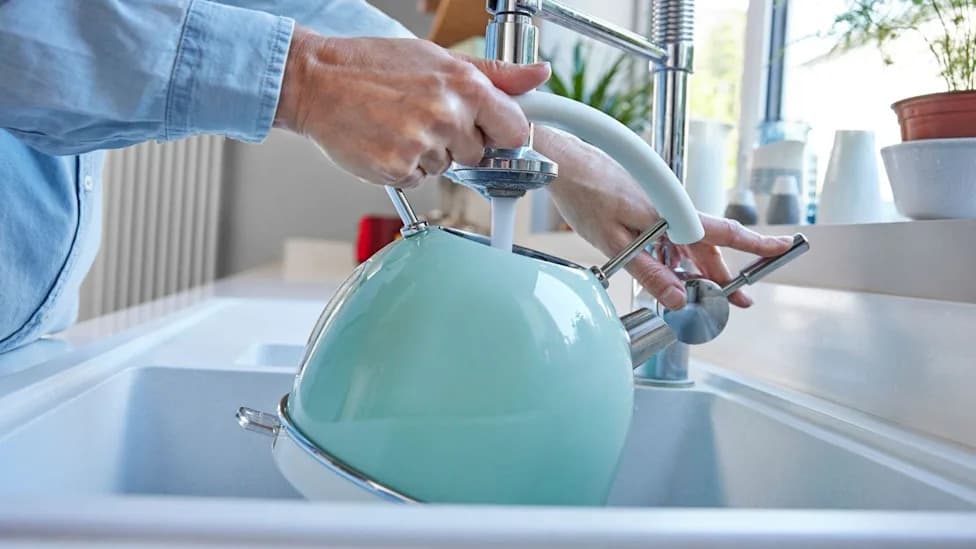
The Government has backed plans to let water companies introduce surge pricing and rising-block tariffs to curb use during droughts. Trials—most notably an Anglian Water pilot covering about 14,000 households—showed summer unit rates rising to £4.39/m³ and roughly half of participants cut consumption. Changes would likely require smart meters and need Ofwat approval to take effect from April. Supporters say the measures encourage efficiency; critics argue they shift costs onto consumers while companies have failed on leaks and pollution.
Government Backs 'Surge Pricing' for Water Bills in Drought Response

Large parts of Britain have experienced drought this summer - Joe Giddens/PA
The Government has backed plans that would allow water companies to charge higher prices during droughts, enabling so-called “surge pricing” and water-scarcity adjustments to household bills as part of efforts to curb consumption and encourage efficiency.
What the Proposals Would Do
Under the proposals, suppliers could vary charges by season and introduce rising-block tariffs that increase unit prices when a household exceeds defined usage thresholds. Most of these new charging models would rely on smart meters so consumption can be measured and billed dynamically.
Timing and Regulatory Process
Details emerged days after three-quarters of the country was officially declared in drought and around 27 million people were subject to hosepipe bans, with wildfires affecting large swathes of the UK. If regulator Ofwat gives final approval in the coming weeks, the changes could take effect from April.

Campaigner Feargal Sharkey accused Ofwat of doing nothing to rein in water companies - Jeremy Selwyn
Trials and Early Results
Small trials of surge and block pricing have been conducted in several areas. The largest trial covered roughly 14,000 Anglian Water households in Lincoln and Norwich. In that scheme, seasonal unit charges rose from £2.69 per cubic metre to as much as £4.39 between May and August, then fell to £1.78 per cubic metre for the rest of the year. Vulnerable and low-income customers were excluded from the trial.
Anglian Water reported that about half of participating households reduced their water use in response, and the company is considering expanding the approach. South West Water has also trialled seasonal and block-pricing models.
Support, Criticism and Context
The Government and some industry bodies say surge pricing could make bills fairer, encourage water efficiency and help manage scarce resources during drought. A Department for Environment, Food and Rural Affairs spokesman said the changes would “make bills fairer and more affordable while encouraging greater water efficiency.”
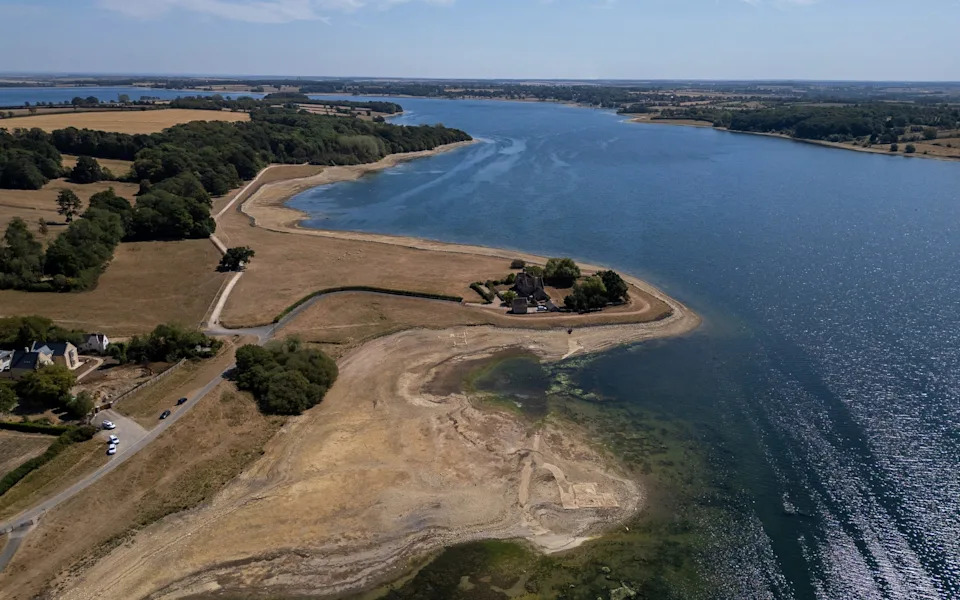
There are fears Britain could face water shortages in the years to come because of droughts - Henry Nicholls/AFP
However, campaigners have strongly criticised the move. Feargal Sharkey, a long-standing water campaigner, said water companies are penalising consumers for industry failures, arguing companies have not met legal obligations to reduce demand or to keep rivers and sewage systems in order. He also criticised Ofwat for not doing enough to restrain the sector. Labour mayor Andy Burnham described recent bill increases as treating customers like “a blank cheque.”
Industry And Government Position
Water UK, representing suppliers, said the industry needs to tackle leaks while also exploring ways to reward efficient customers through their bills. Last Thursday Ofwat authorised five providers—Severn Trent, Southern Water, Thames Water, Wessex Water and South East Water—to raise bills above previously agreed levels to fund higher infrastructure spending.
Ministers have set a long-term target to reduce average daily per-person water consumption from about 136.5 litres today to 122 litres by 2038. Ofwat has said that options under consideration would help companies factor scarcity and efficiency into how they set charges.
What Households Should Know
If adopted, new pricing structures could mean higher costs for discretionary or high-volume uses (for example, watering gardens with hoses or sprinklers) at peak or dry times, while essential usage bands may be priced more affordably. Implementation would likely depend on smart meter rollout and protections for vulnerable customers.
Bottom line: Surge and block pricing aim to reduce water demand during droughts, but the measures are controversial because critics say they risk shifting responsibility and cost to consumers instead of holding companies accountable for long-term infrastructure and pollution issues.
Help us improve.