The week's politics saw surprising primary outcomes and a rare presidential security diversion. David Crowley narrowly won Wisconsin’s Democratic gubernatorial primary, setting up a November contest with Rep. Tom Tiffany and raising concerns about election administration. A secret presidential transfer after the NATO summit highlighted who the president trusts in crises, and contests in Minnesota and San Francisco produced decisive upsets and controversy. Several Trump-endorsed candidates also fell short in key GOP primaries.
Not Who You Expected: How This Week’s Wisconsin Primary Upended The Race
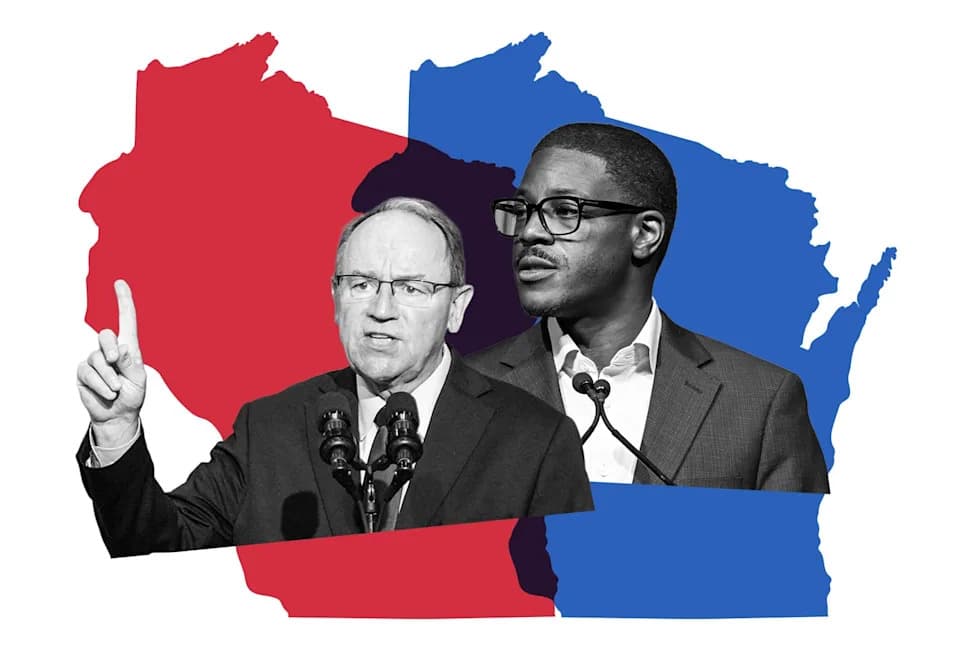
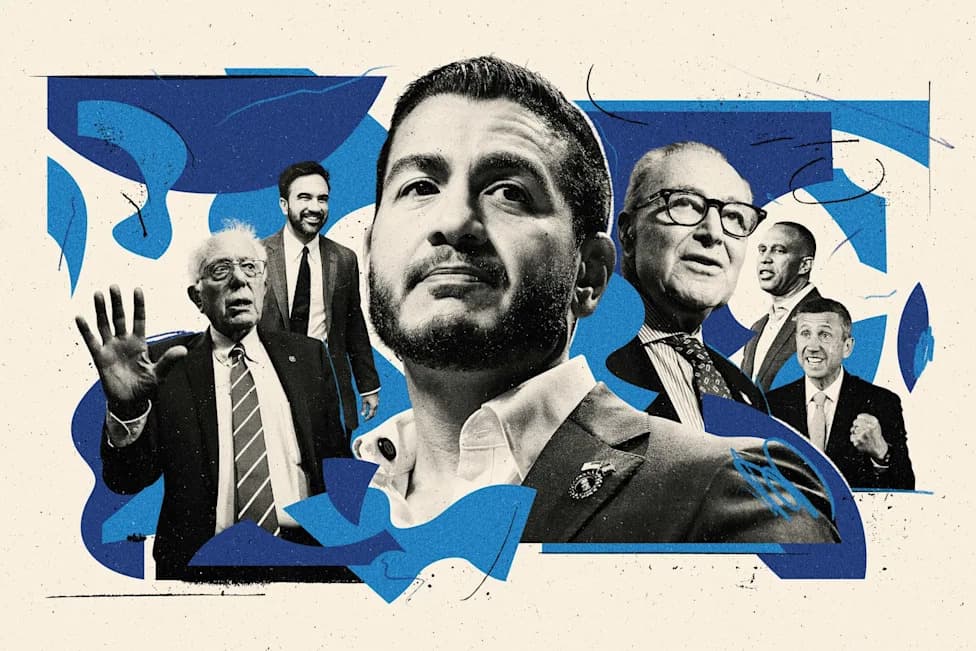
Photo illustration by Slate. Photos by Mark Schiefelbein/Pool/AFP via Getty Images, Daniel Boczarski/Getty Images for WisDems, and Getty Images Plus.
Welcome to this week’s political roundup. A handful of surprising primary results and an extraordinary presidential security episode dominated headlines — and together they underscore continuing tensions over party control, election administration, and who gets access when leaders are under pressure.
Wisconsin: An Establishment Win, Narrowly
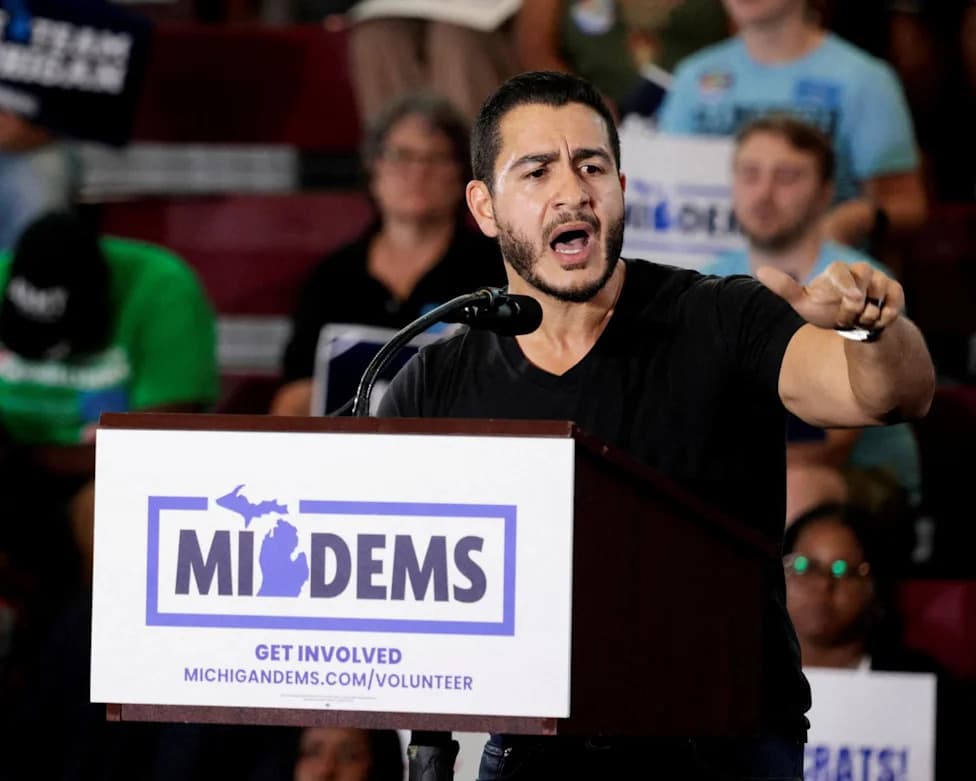
Milwaukee County Executive David Crowley narrowly defeated democratic socialist Francesca Hong to capture the Democratic nomination for Wisconsin governor. Backed by Gov. Tony Evers, Crowley overcame double-digit polling deficits and low expectations from prediction markets to eke out a close victory. If he wins in November, Crowley would become only the fourth Black person in U.S. history elected governor of a state.
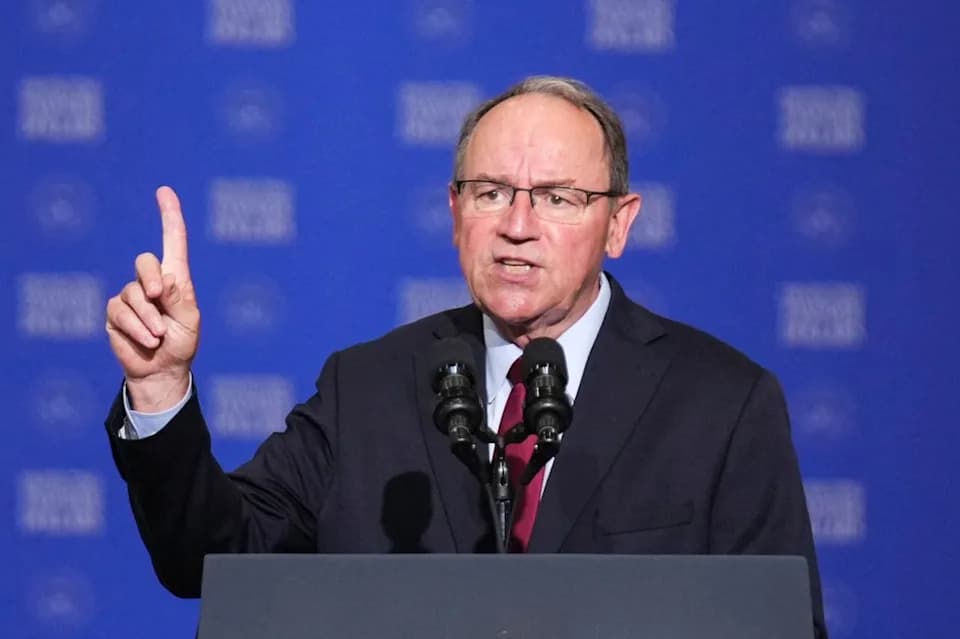
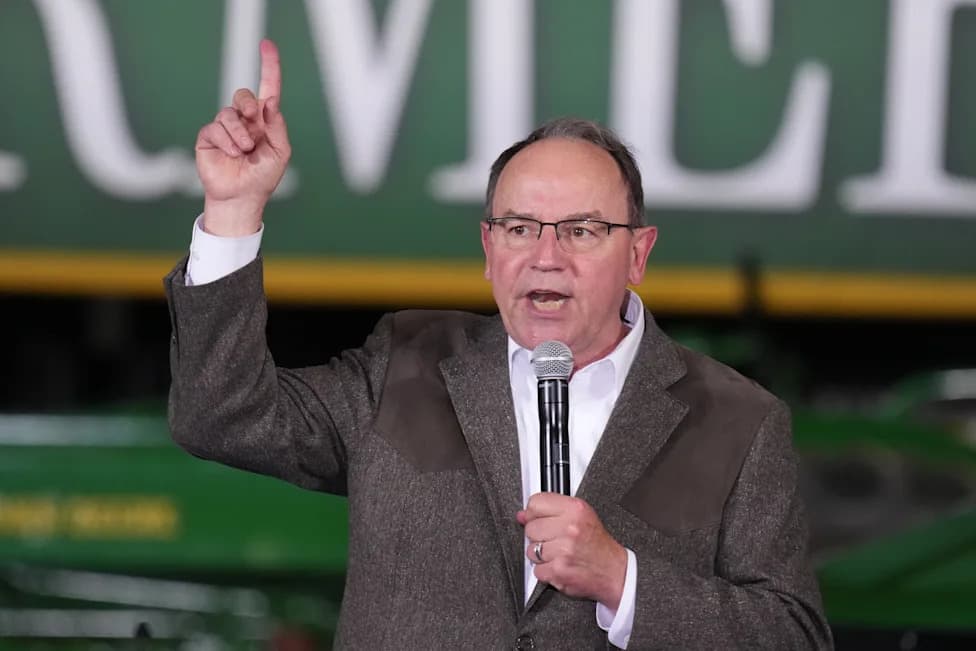
Crowley will face Republican Rep. Tom Tiffany, a member of the House Freedom Caucus whose record includes signing an amicus brief seeking to overturn the 2020 election and voting to object to the counting of Arizona’s and Pennsylvania’s electoral votes on Jan. 6. Tiffany has said he would have objected to counting Wisconsin’s electoral votes as well. That history has raised concerns among Democrats about whether he would administer a tight presidential-year result fairly if late-counted votes from Milwaukee proved decisive.
Security: A Secret Transfer After NATO
The Washington Post reported that, after the recent NATO summit in Turkey, intelligence suggesting an Iranian threat led to a secret transfer: the president and a small group quietly left Air Force One, boarded a catering truck, and moved to a smaller aircraft bound for the United Kingdom. The administration’s decision to exclude the traveling press from the transfer and disclose the episode only after media reporting drew criticism.
Beyond the procedural questions, the episode revealed who the president trusts in high-pressure moments. Those who made the smaller plane included longtime personal aides such as Walt Nauta, Natalie Harp, and Dan Scavino — a roster more reminiscent of a close personal circle than a roster of senior policy officials.
Minnesota: Immigration Vote Looms Large
Immigration enforcement resurfaced as a defining issue in Minnesota’s Senate primary. In January 2025, 46 House Democrats voted for the Laken Riley Act, a hardline enforcement bill that would mandate ICE detention for certain arrests even when charges are not filed. Representative Angie Craig was among those supporters.
Craig lost the Democratic primary by roughly 20 points to Lt. Gov. Peggy Flanagan, who had progressive backing including an endorsement from Sen. Bernie Sanders. Craig’s vote on the enforcement bill — and national backlash to aggressive deportation tactics such as ICE’s Operation Metro Surge — became central to her defeat. Flanagan will face Republican Michele Tafoya in November.
San Francisco: AI Stunt Draws Fire
Former state senator Scott Wiener briefly deployed a chatbot caricature of his opponent, Supervisor Connie Chan, describing it as “the world’s first AI trained to say no to anything you ask.” Critics said the bot trafficked in sexist and racist tropes; Wiener took it down after backlash. House Democratic leader Nancy Pelosi, who supports Chan, sharply condemned the stunt and has actively intervened in the race — hosting fundraisers, lending staff, and mobilizing endorsements. Observers note Pelosi’s involvement looks partly personal: Wiener announced his run before Pelosi had publicly laid out retirement plans and amid speculation about her daughter’s ambitions for the seat.
South Carolina And Minnesota GOP Primaries
In South Carolina’s special Senate primary, Darline Graham — appointed to fill the late Sen. Lindsey Graham’s seat — advanced to an Aug. 25 runoff against Rep. Ralph Norman. Graham received about 33% of the vote, a modest showing for a candidate with the president’s endorsement. Trump has suggested he might campaign for Graham but has also praised the other contenders as “all Trumpers,” signaling a cautious approach.
Meanwhile in Minnesota, MyPillow founder Mike Lindell lost the GOP gubernatorial primary to state House Speaker Lisa Demuth by roughly 11 points. Lindell, a polarizing figure known for promoting election conspiracies, has questioned the integrity of the result and has not conceded; he was reportedly registered to vote in Texas while running in Minnesota.
What It All Means
This week’s contests highlight an ongoing tension: insurgent and anti-establishment energy continues to reshape primaries, but party institutions and voters still sometimes favor establishment-aligned candidates perceived as more electable. Security questions, immigration policy debates, and the role of national figures in local races will keep shaping the fall campaign narrative.
The Surge will pause next week. Take care.
Help us improve.