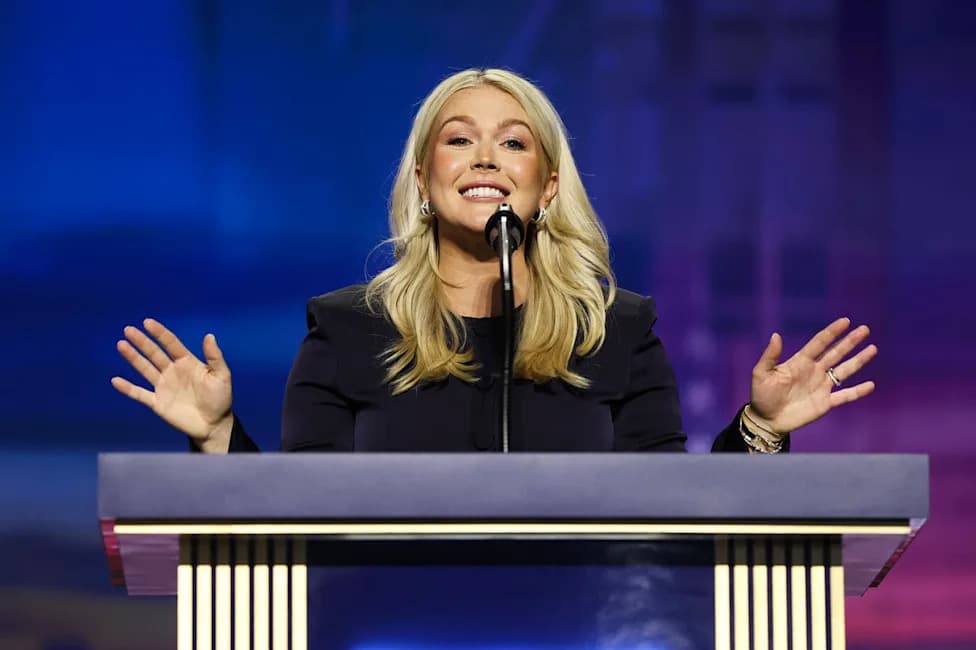
Karoline Leavitt’s tenure as White House press secretary highlighted a broader decline in the briefing room’s credibility. Her first briefing repeated a disputed $50 million claim about condoms for Gaza that relied on a misidentified statistic and a geographic mix-up; she did not publicly correct the record. Across the Trump administration, the role of press secretary was weakened as the president often spoke directly and aides avoided accountability. The result is a diminished institutional voice and fewer consequences for public falsehoods.
Karoline Leavitt Knew Exactly What She Was Doing: The Briefing Room’s Credibility Crisis
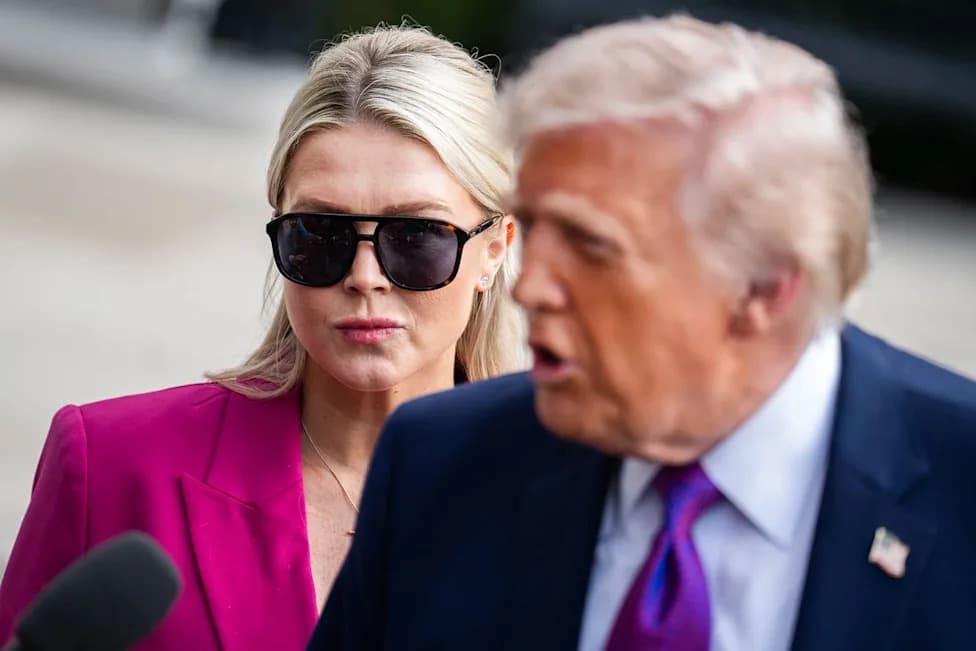
UNITED STATES - MARCH 11: Karoline Leavitt, White House press secretary, and President Donald Trump speak with reporters on the South Lawn of the White House before boarding Marine One en route to Kentucky, on Wednesday, March 11, 2026. (Tom Williams/CQ-Roll Call, Inc via Getty Images)
Karoline Leavitt, the departing White House press secretary, came to symbolize an administration increasingly indifferent to strict factual accuracy and transparent explanation.
At her first formal briefing, Leavitt defended the Trump administration's freeze on federal grants by calling a specific line item "preposterous": $50 million allegedly for condoms in Gaza. When pressed for a source, she forwarded a Fox News story that repeated her claim. A closer look showed the figure was implausible: the U.S. Agency for International Development reported spending about $119 million over six years on condoms for HIV-prevention programs globally, and later reporting indicated the administration had likely confused the Hamas-run Gaza Strip with a province called Gaza in Mozambique — even though none of the cited funds had been used to purchase condoms for Gaza.
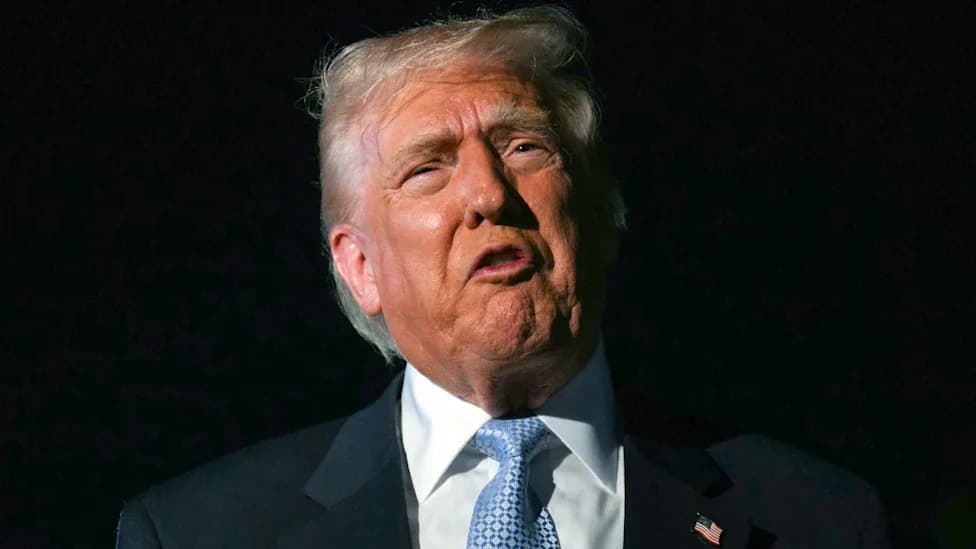
Leavitt did not publicly concede an error; fact-checks did not produce a correction, and the president later amplified the claim, citing a $100 million figure. That episode captures a broader pattern that has eroded the authority of the White House briefing room.
From Spin To Erosion Of Trust
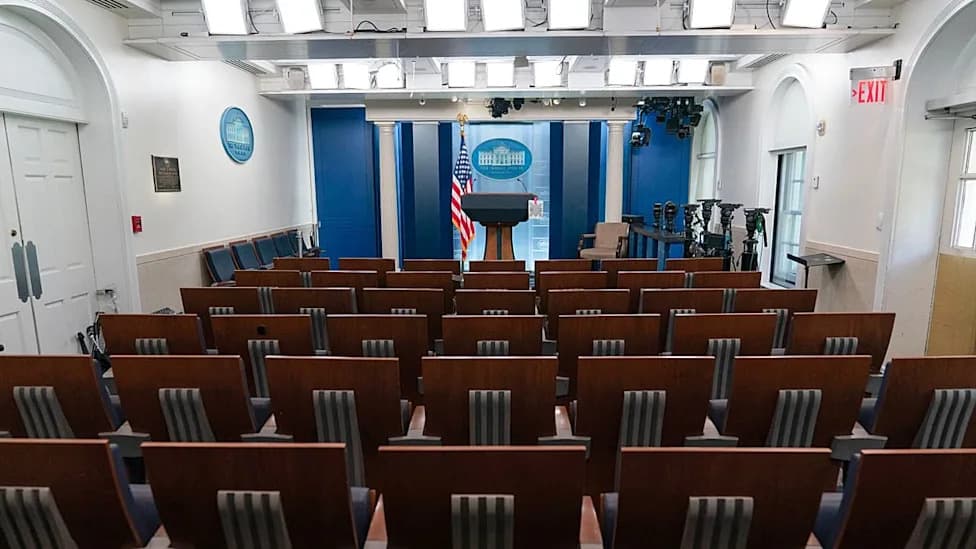
Spin and advocacy are expected elements of the press secretary’s job. But the office traditionally relied on a baseline of credibility: press secretaries who were trusted by both the president and the press corps could defend policies while remaining as close to the truth as possible. When that trust broke down, the office lost utility.
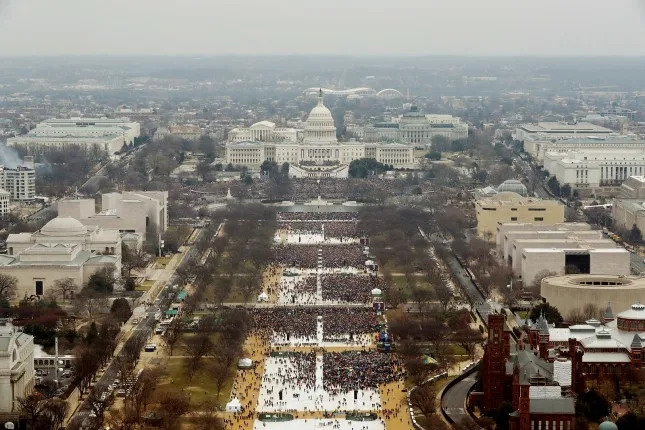
Attendees line the National Mall as they watch ceremonies to swear in Donald Trump on Inauguration Day on Jan. 20, 2017, in Washington, DC. Lucas Jackson / Pool / Getty Images
"A press secretary without credibility is of little use to the president."
Historically, there were consequences for repeated falsehoods. Ron Ziegler, Richard Nixon's press secretary, eventually apologized during the Watergate crisis when reporting proved correct and the cover-up unraveled. That sense of accountability has been weakened in more recent years.
Examples From The Trump Years
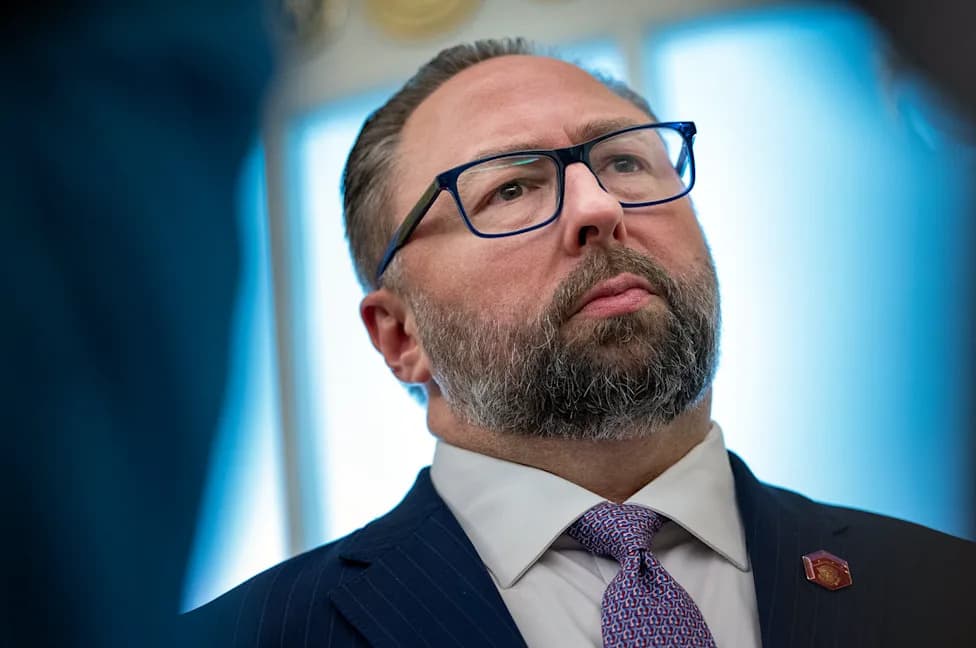
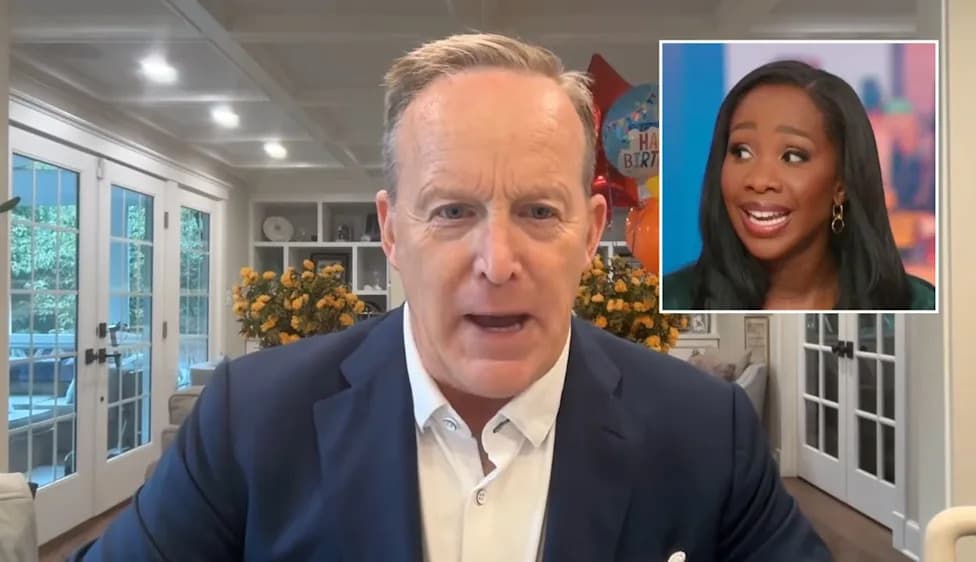
The pattern accelerated under President Trump. A day after his 2017 inauguration, Sean Spicer insisted the event had "the largest audience" ever, offering easily disproved claims to defend the statement; his credibility with reporters collapsed and he left the job within months. Sarah Huckabee Sanders then spent long stretches without daily briefings and repeatedly offered statements later shown to be untrue — once characterizing thanks from "countless" FBI agents for the firing of James Comey, a claim she later acknowledged was unfounded in testimony. Stephanie Grisham never held a formal briefing during her tenure and later said she avoided the podium because she would not "stand at that podium and lie."
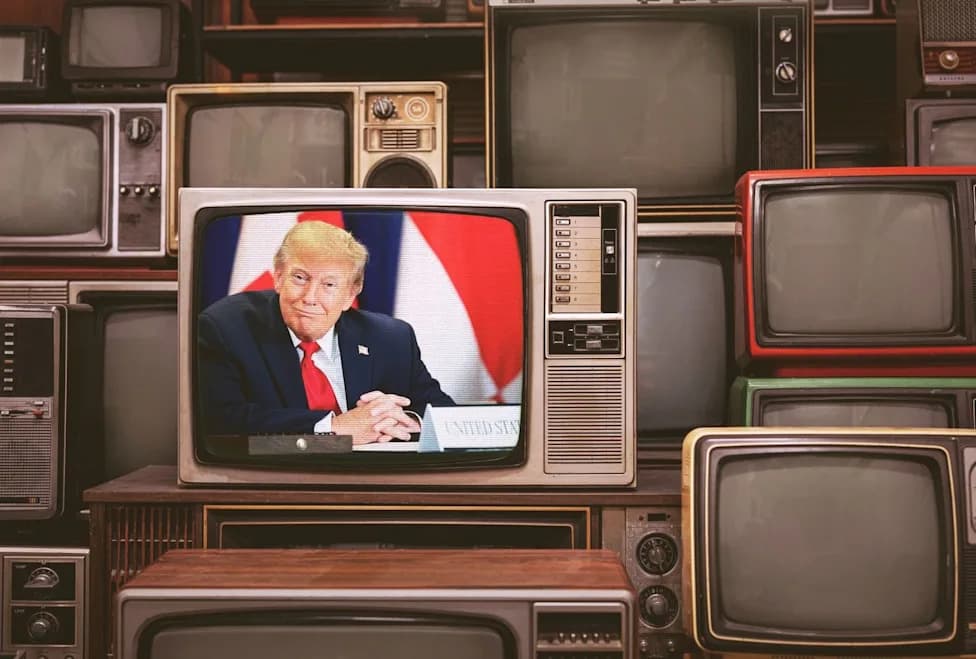
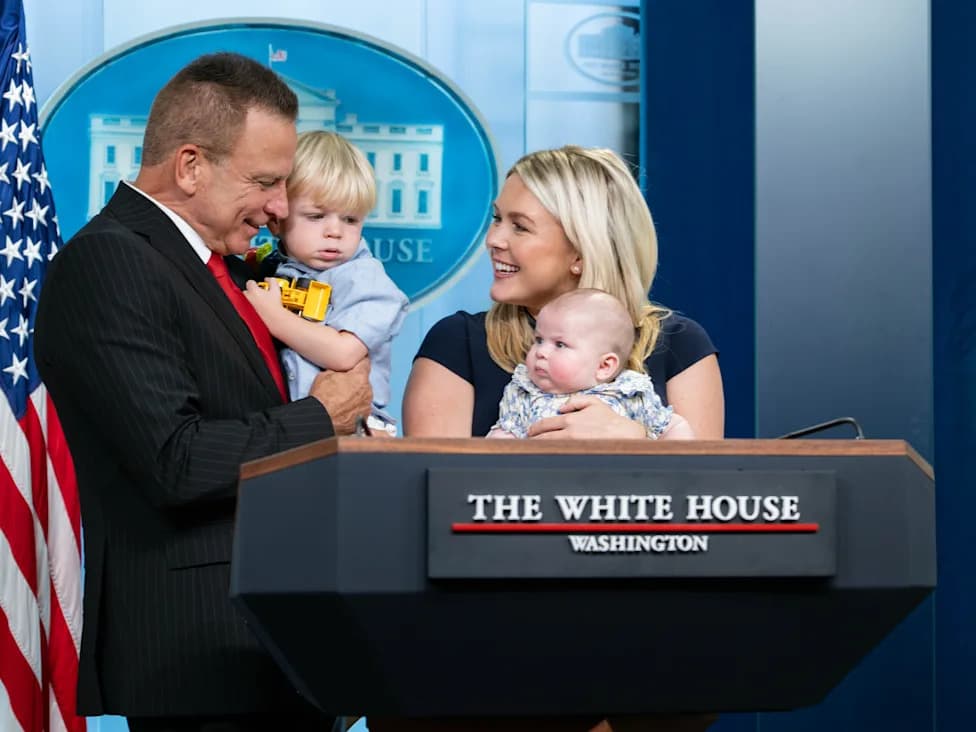
Leavitt, who held a steadier briefing schedule (except during maternity leave), often echoed the president's lines and declined to acknowledge obvious errors. The net result: a diminished role for the press secretary and far fewer institutional penalties for public falsehoods.
Why It Matters
When the voice from the podium is not trusted, journalists and the public lose a reliable channel for scrutinizing policy. That vacuum is often filled by presidential social media posts, off-the-cuff remarks, and competing narratives that make it harder to hold leaders accountable. Restoring credibility requires both a commitment to accuracy from the podium and a willingness to correct mistakes when they occur.
Author’s Note: Across more than three decades covering Washington, I worked with twenty White House press secretaries. The contrast between the historical norms of accountability and recent practice underlines how institutional standards and public trust can shift rapidly.
Help us improve.