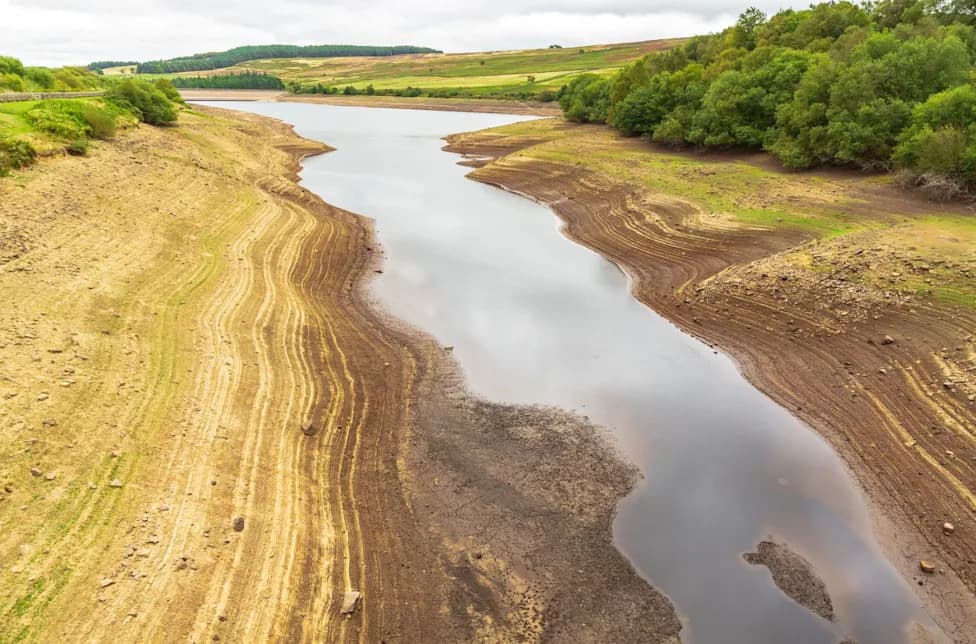
The Netherlands is confronting a record summer drought that has driven river levels on the Waal and Rhine to historic lows, exposing beaches and grounding boats. Rijkswaterstaat declared an "actual water shortage" in mid-July and introduced irrigation and lock restrictions to conserve freshwater and limit salinisation. Experts warn of risks to peat-based foundations and call for a shift from draining excess water to retaining it within hydraulic systems to adapt to more frequent extremes.
Drying Rivers, Rising Risks: Historic Drought Forces Dutch To Rethink Water Management
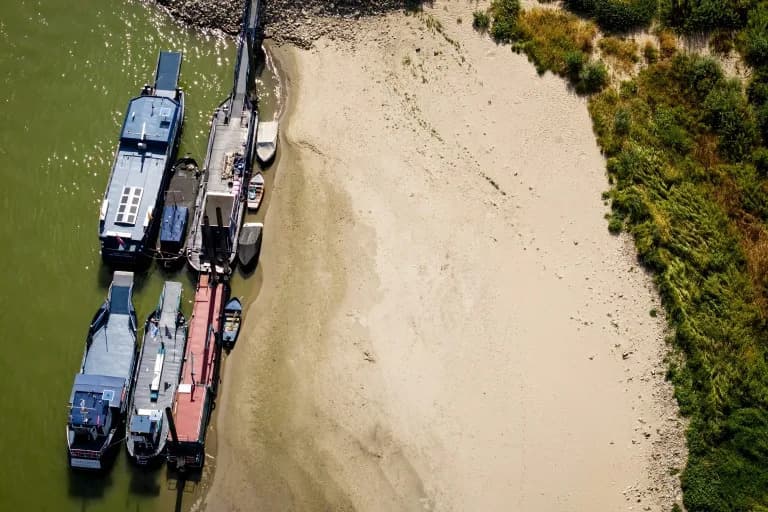
Rhine pedestrian ferries in the eastern Netherlands, taken out of service because of low water (Sem van der Wal)
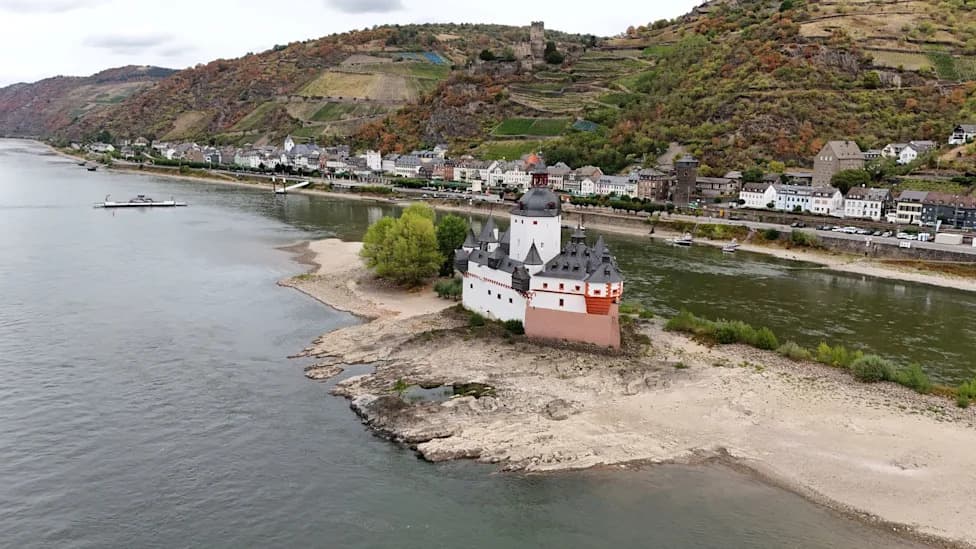
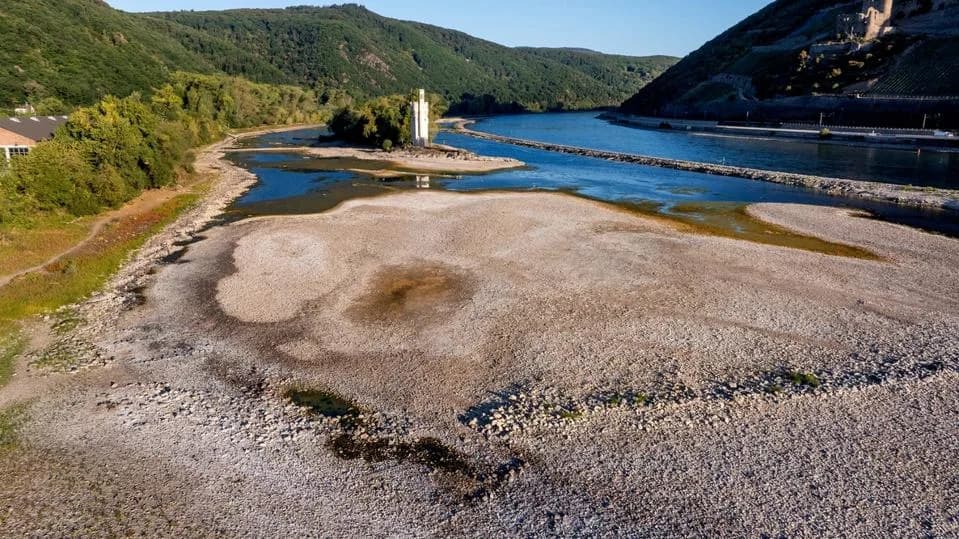
On the banks of the Waal, a branch of the Rhine, sunbathers now lounge on a Nijmegen beach that only appeared after river levels fell this summer. Across the Netherlands, once famed for its dikes, dams and world-class waterworks, unusually low river levels and parched landscapes have exposed new vulnerabilities in a country built to keep water out.
Like much of Europe, the Netherlands is enduring a record summer drought driven by an extended dry spell, exceptional heat and accelerated evaporation. The shortage of fresh water and a creeping salinisation as seawater pushes upriver are affecting farmers, shipping, infrastructure and nature alike.
Visible Impacts on Nature and Transport
In the southern and eastern provinces, fields and lawns have turned the colour of straw and stretches of the Rhine and Waal have hit their lowest recorded levels in those regions. Inland shipping has been disrupted as boats become grounded or must carry lighter loads, with knock-on effects for industries that rely on river transport.
"I've been coming to this river for, what... 25, 35 years? And this is the lowest, the craziest level it's ever reached," said entrepreneur Leon Berkers, who runs a restaurant boat now listing after becoming grounded on the riverbank.
Authorities report practical effects on everyday life: restricted irrigation for farmers, reduced lock openings to conserve freshwater, and localized drinking-water concerns where salinity rises in river-fed supplies.
Underground Risks and the Call to Adapt
Experts warn of a second crisis unfolding below ground. Many Dutch buildings sit on peat or clay soils that shrink and crack when they dry out, increasing the risk of foundation damage. "Foundations are sometimes built on peat bogs: if these dry out, they shrink, and cracks can appear in buildings," said Marthe Wens, a researcher on water and climate risks at Vrije Universiteit Amsterdam.
Since mid-July, Rijkswaterstaat, the national water authority, has declared an "actual water shortage" and imposed irrigation limits and restrictions on lock openings to curb freshwater loss and slow saltwater intrusion.
"We have always built systems to protect us from flooding and to drain excess water into the sea," said Micha Werner, a professor of drought resilience at IHE Delft. "But with climate change we are increasingly facing years of shortage. We must shift from trying to get rid of water to trying to retain it in our hydraulic systems — that requires major adaptation."
For people like Berkers, adaptation has so far meant improvisation. His restaurant boat has been stuck in mud for more than a month: "We can't even fill the coffee cups to the brim or they spill," his son Linus, 19, joked. Berkers warned more practical hardships remain: "I think we'll be without water for at least another two months."
As extreme weather becomes more common, the Dutch case highlights a broader challenge for low-lying countries worldwide: balancing long-standing flood protection with new strategies to conserve freshwater and protect infrastructure in a drier future.
Help us improve.