The rewilding programme at Broughton Hall Estate near Skipton has rapidly restored wildlife across about 2,500 acres by planting over 340,000 native trees, restoring wetlands and reintroducing species. Volunteers have recorded roughly 1,750 species, and all five native British owl species are now present. Beavers and Iron-Age pigs (introduced August 2024) are reshaping habitats, encouraging birds such as little egrets and herons as well as insects and wildflowers. The project aims to reverse biodiversity loss from intensive agriculture and reconnect people with nature.
Rewilding Revival: Broughton Estate Sees Wildlife Surge After Tree Planting, Beavers and Pigs
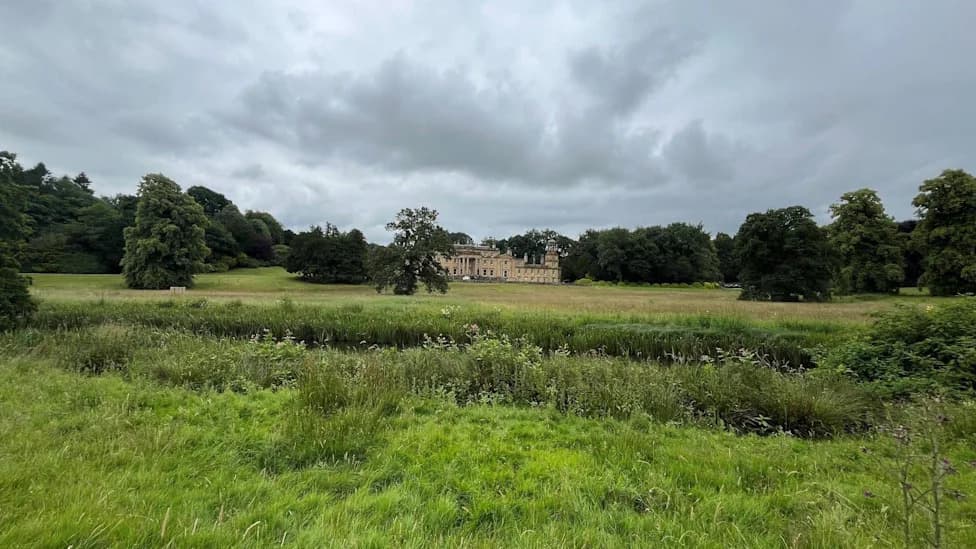
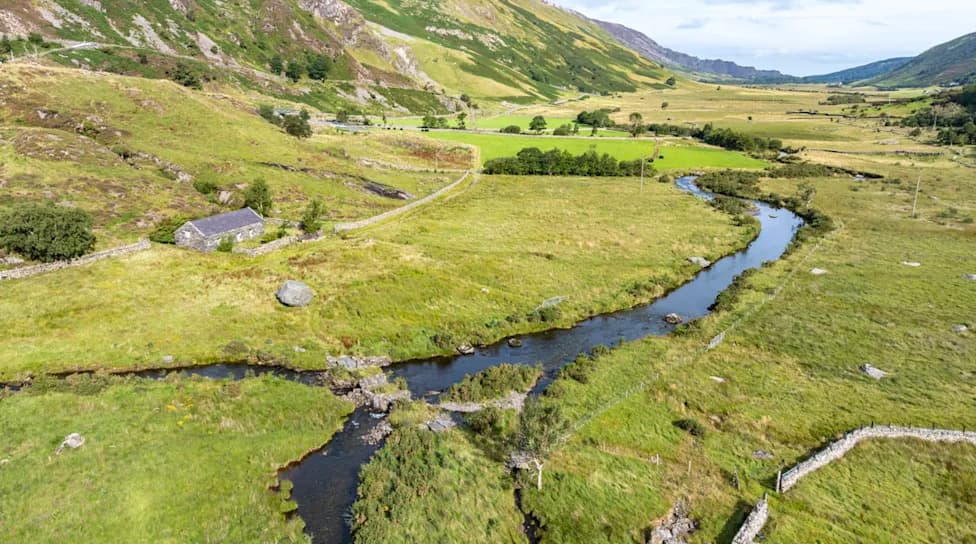
Volunteers have documented about 1,750 species in the grounds of Broughton Sanctuary [BBC]
Wildlife is returning rapidly to the Broughton Hall Estate near Skipton as an ambitious rewilding programme restores habitats across roughly 2,500 acres of the property.
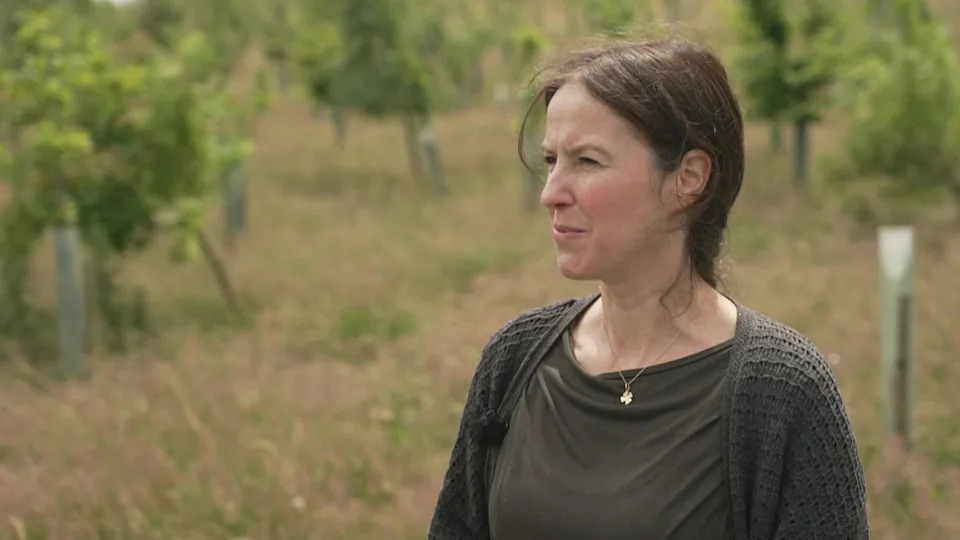
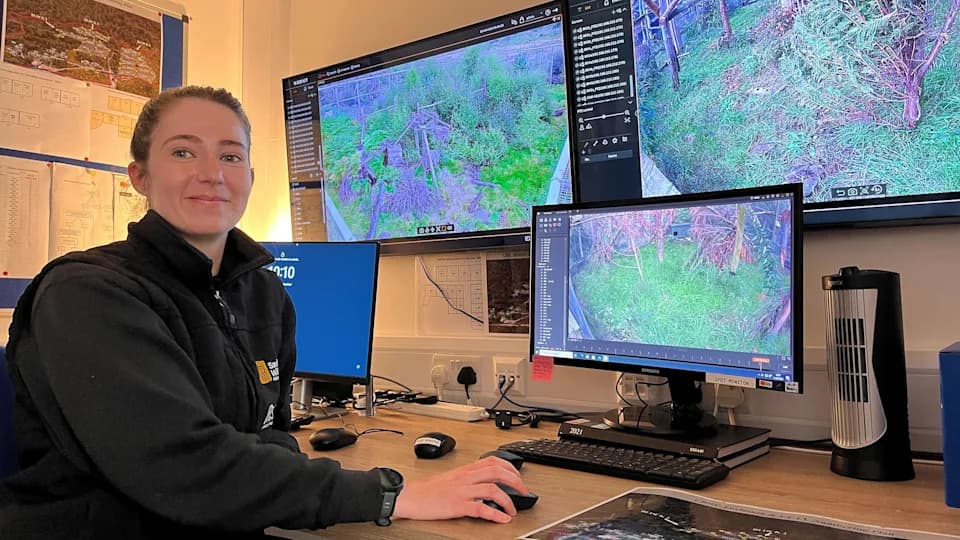
Sarah Kinloch says the team wants to bring biodiversity back to the area [BBC]
Restoring Habitats and Biodiversity
Launched in 2021 by the estate's Nature Recovery team, the project has planted more than 340,000 native trees, reintroduced key species and restored wetlands to revive landscapes simplified by decades of intensive agriculture. The planting drive has boosted insect populations, which in turn support small birds, small mammals and ultimately birds of prey.
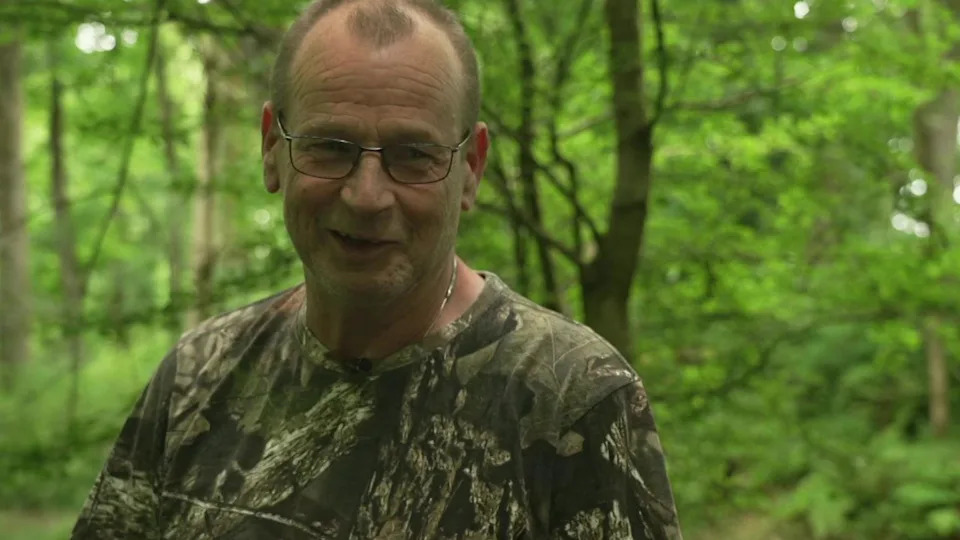
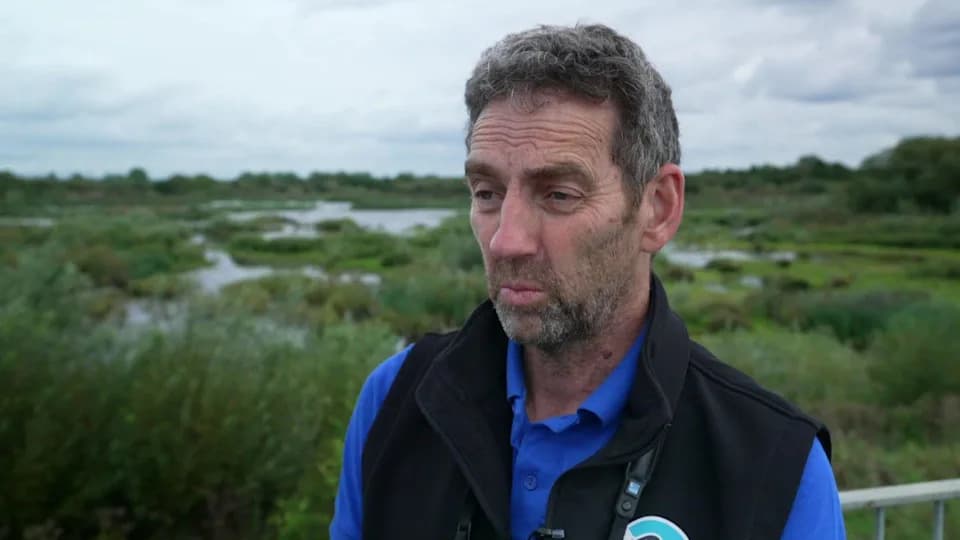
Adrian Lee says the project has seen little egret, heron and dragonflies return to the area [BBC]
Species Returning
Volunteers compiling a species inventory have recorded around 1,750 distinct species so far. For the first time in living memory, all five native British owl species are now present on the estate. Other raptors and birds that have become more common include sparrowhawks, red kites, kestrels, peregrine falcons and hen harriers.
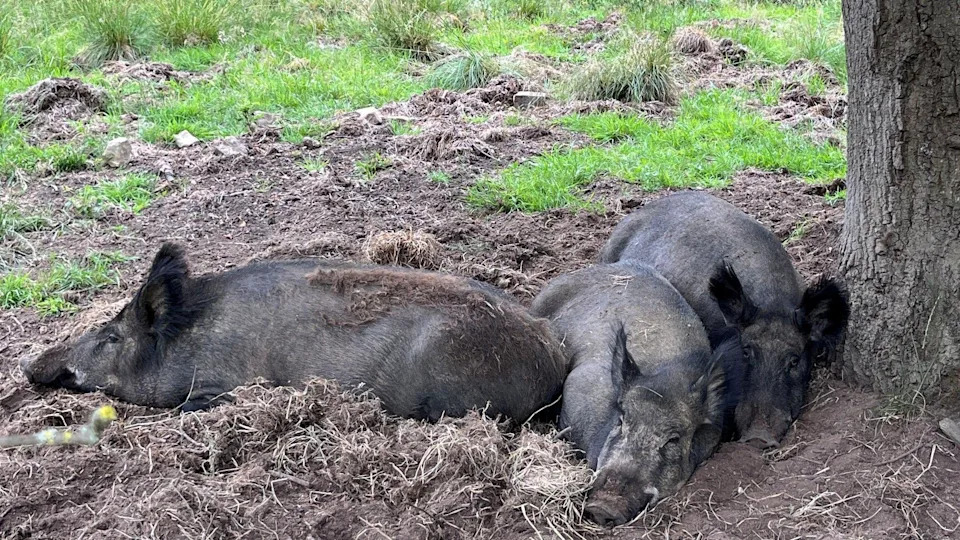
Pigs on the estate have helped encourage the growth of wildflowers and other plants [BBC]
Ecosystem Engineers: Beavers and Iron-Age Pigs
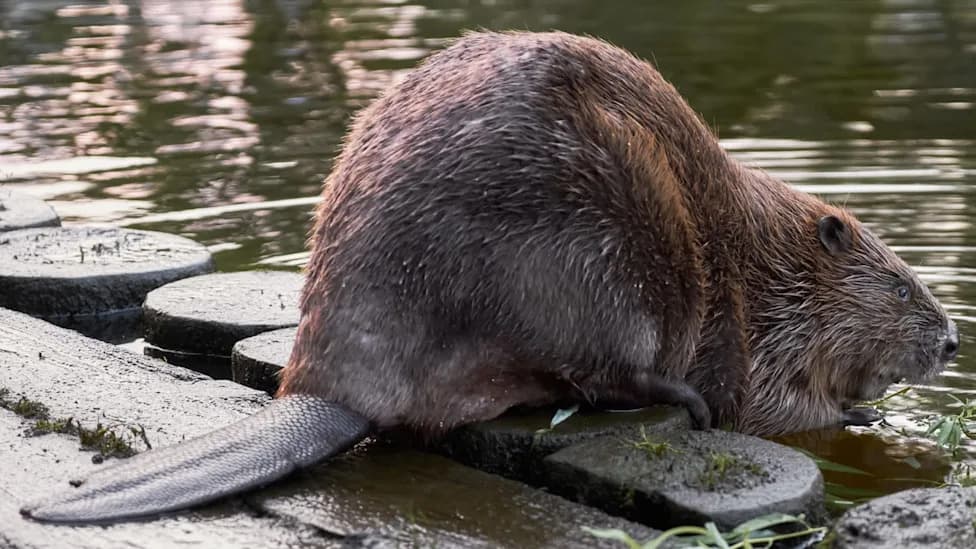
Beavers have established territories and built dams that slow water flow through woodlands, creating wetter habitats that have attracted little egret, herons and dragonflies. Meanwhile, a herd of Iron-Age pigs — a rare Tamworth × European wild boar cross introduced in August 2024 — is accelerating habitat diversification by rooting and exposing bare ground, allowing dormant wildflower seeds to germinate.
Sarah Kinloch, Nature Recovery team: "When insects come you get small birds. Small mammals live in the long grass and so then you get birds of prey. So it just kick-starts everything."
Adrian Lee, wildlife warden: "The changes since rewilding began have been nothing short of remarkable... Beavers are kind of growing on me a little bit."
Background and Aims
Broughton Hall Estate has been in the stewardship of the Tempest family for more than 900 years. Recent decades of intensive grazing and monoculture left large expanses of short, species-poor grass. The rewilding programme aims to reverse biodiversity loss, restore a richer mosaic of habitats and help reconnect people with nature.
Five years into the programme, project leaders say there is still much to do, but early results demonstrate how targeted habitat restoration and reintroductions can rapidly boost local biodiversity.
Help us improve.