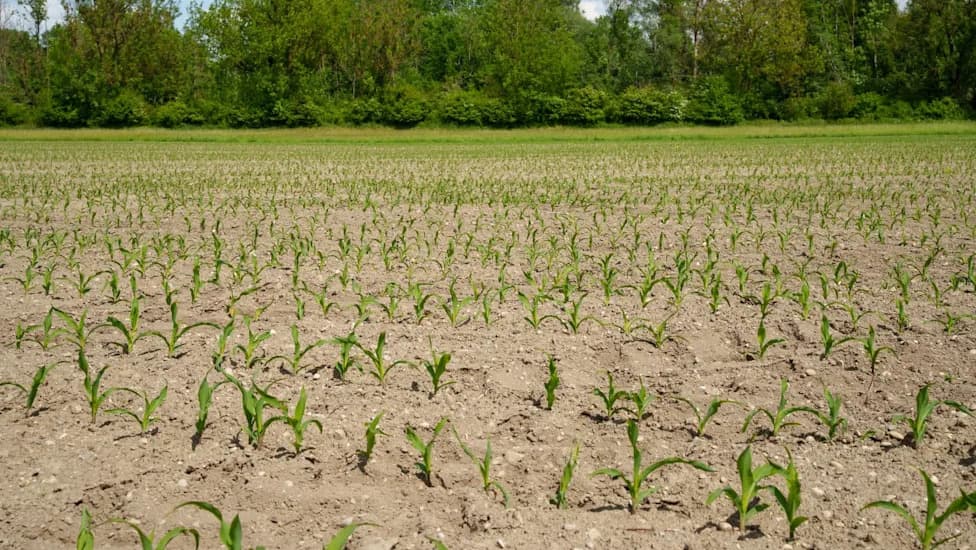
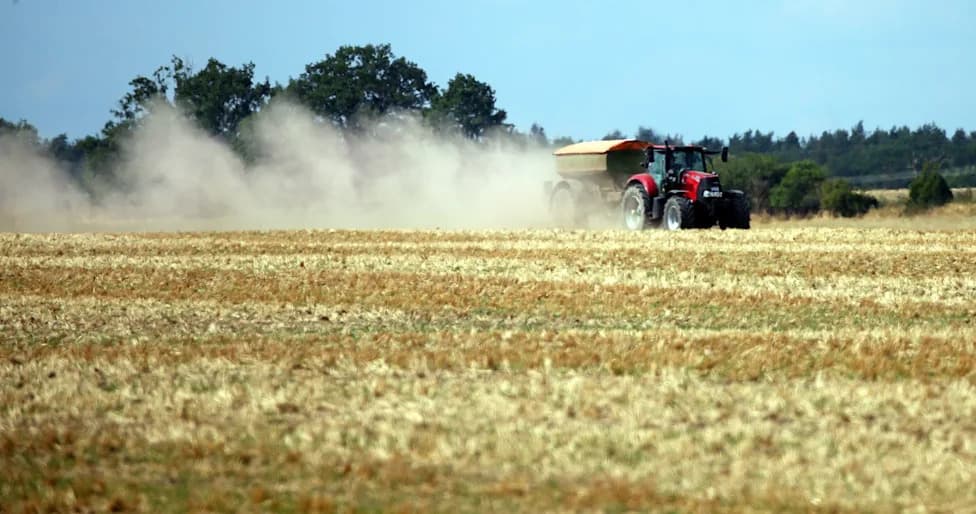
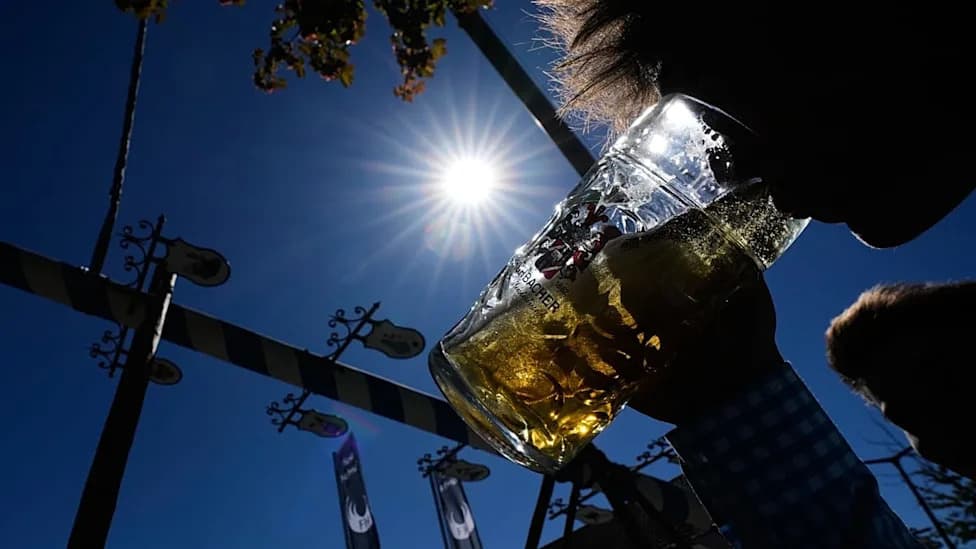
German farmers expect a below-average harvest this year due to prolonged heat and drought, with southern regions at risk of complete crop failures. Grain crops — notably wheat and rapeseed — and autumn crops like potatoes, sugar beet, maize and soybeans are projected to see significant losses. Farmers face rising input costs and low product prices, prompting calls for faster EU subsidy payments, increased fertilizer aid and temporary diesel tax relief, along with a tax-free reserve fund and faster development of heat-tolerant crop varieties.
Heat and Drought Threaten Germany’s Harvest — Farmers Warn of Widespread Crop Losses
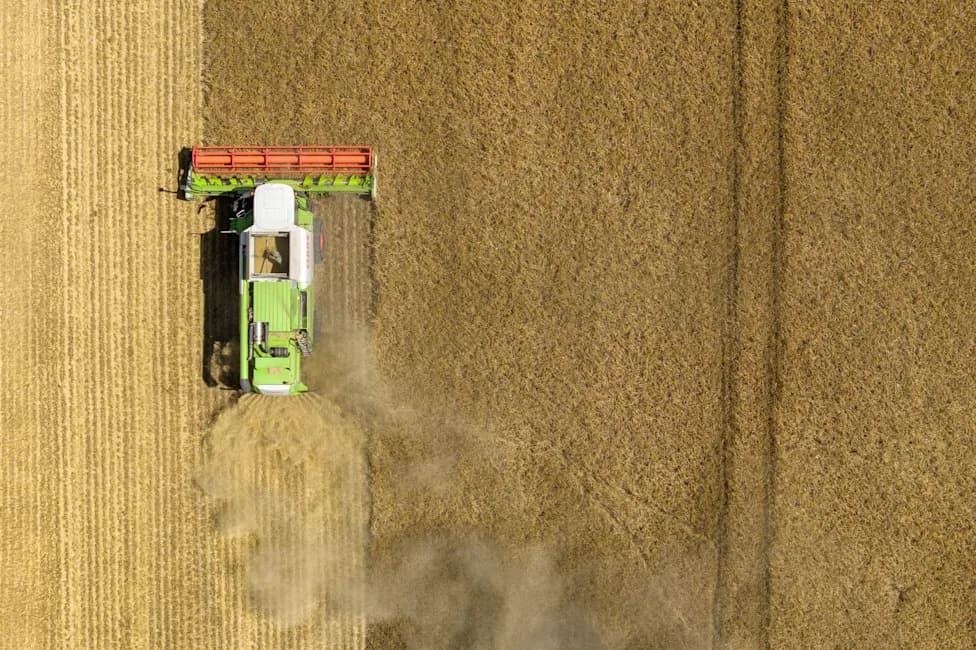
FILE PHOTO - A combine harvester drives across a field of rye. (is associated with: «German farmers expect poor harvest as heat and drought persist») Sebastian Kahnert/dpa
Farmers across Germany are warning of a below-average harvest this year as a prolonged spell of heat and drought continues to damage crops, with some southern regions facing the risk of total losses.
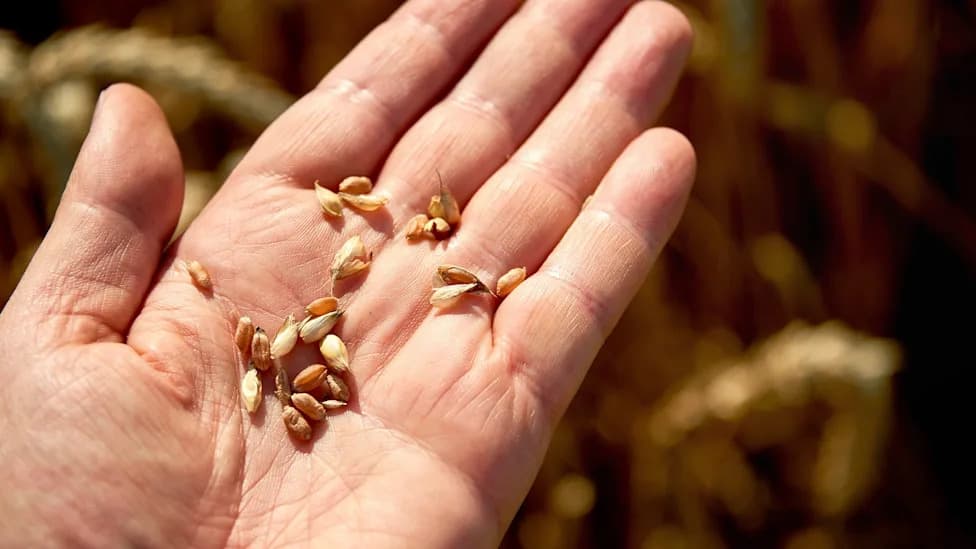
“We expect a below-average harvest for grain, particularly wheat, as well as rapeseed,” said Joachim Rukwied, president of the German Farmers’ Association, in remarks to RND published on Friday.
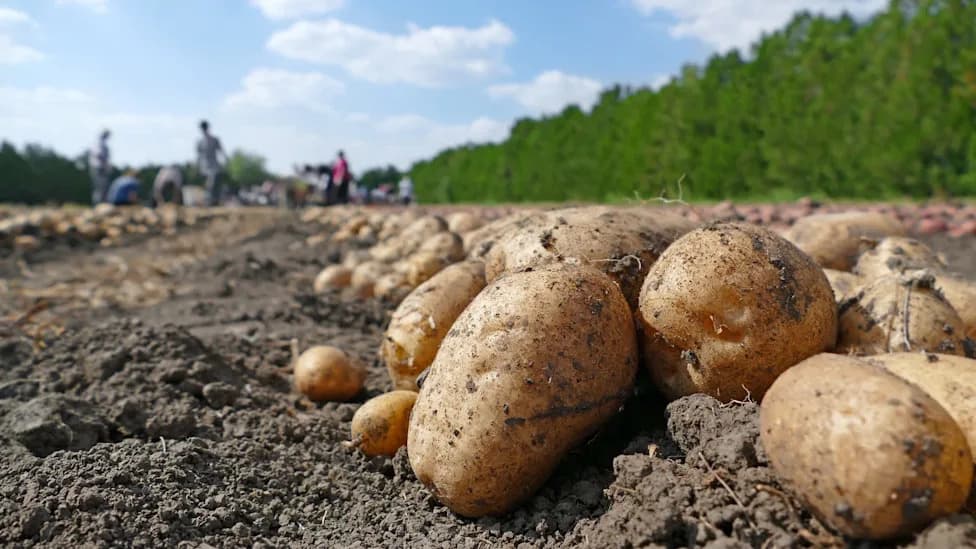
Autumn crops such as potatoes, vegetables, sugar beet, grain maize and soybeans are also likely to suffer substantial yield reductions, he added. While northern regions have benefited from intermittent rainfall and have fared somewhat better, yields there are still expected to remain below the long-term average.
The drought is also cutting into supplies of animal feed in many areas, especially in southern Germany, forcing some farmers to slaughter livestock earlier than planned and raising concerns about feed availability into the winter months.
Financial strain is deepening. High costs for fertilizer and other inputs are coinciding with low market prices for agricultural products, leaving many producers short of cash. Rukwied said some farmers are already struggling to pay their bills and are taking short-term loans to cover immediate needs.
To ease pressure on the sector, Rukwied called for a package of government measures: increased EU funding for fertilizer support, earlier payment of EU agricultural subsidies, a temporary cut in diesel taxes and the establishment of a tax-free reserve fund to help farmers build financial buffers for bad years.
He stressed that German farmers have been adapting to climate change for years but urgently need more heat-tolerant and resilient crop varieties to be developed and made available faster to cope with increasingly extreme weather patterns.
“Farmers need practical tools and predictable support,” Rukwied said, summarizing the sector’s request for immediate relief and longer-term resilience measures.
Policymakers and industry groups face mounting pressure to balance short-term relief measures with investments in research, crop breeding and sustainable practices to reduce future vulnerability to climate-driven extremes.
Help us improve.