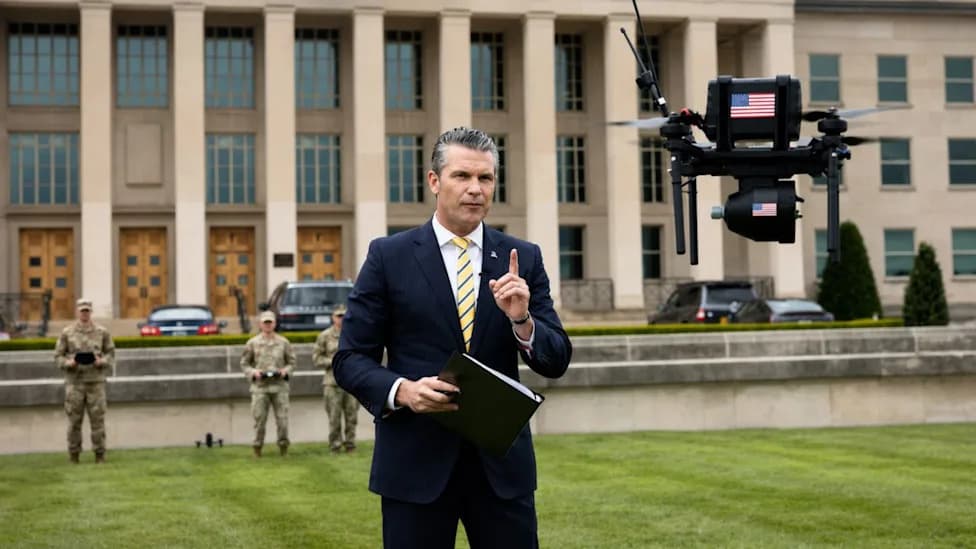
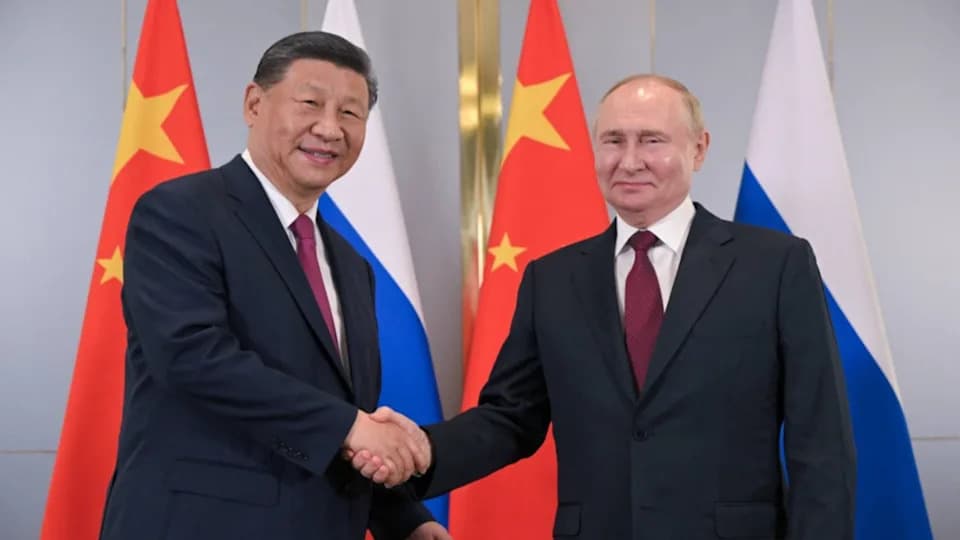
President Trump announced tariffs of up to 100% on certain imported drones and components, citing national security and a desire to boost U.S. production. Drones over 25 kilograms with specified security capabilities will face a 100% duty while smaller models will be hit with 25% tariffs. Most measures take effect on September 3. The move targets industrial and commercial systems amid concerns about Chinese market dominance, notably DJI, and follows recent Chinese export curbs and other trade actions.
Trump Announces Tariffs Up To 100% On Imported Drones To Boost Domestic Production
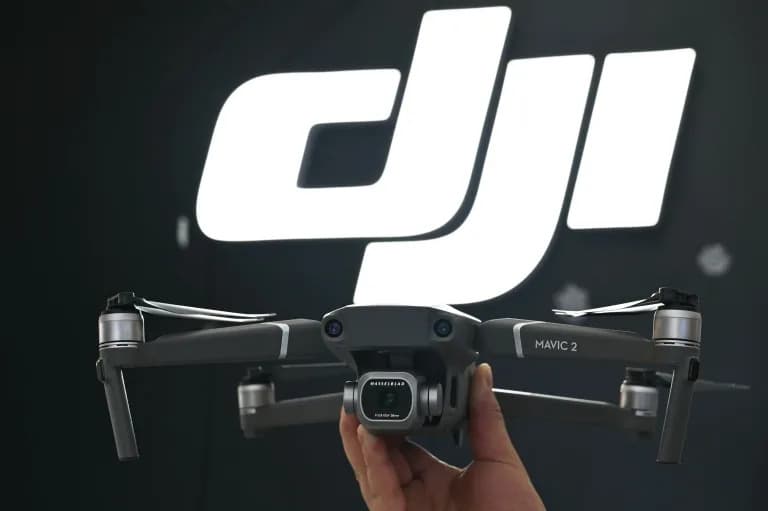
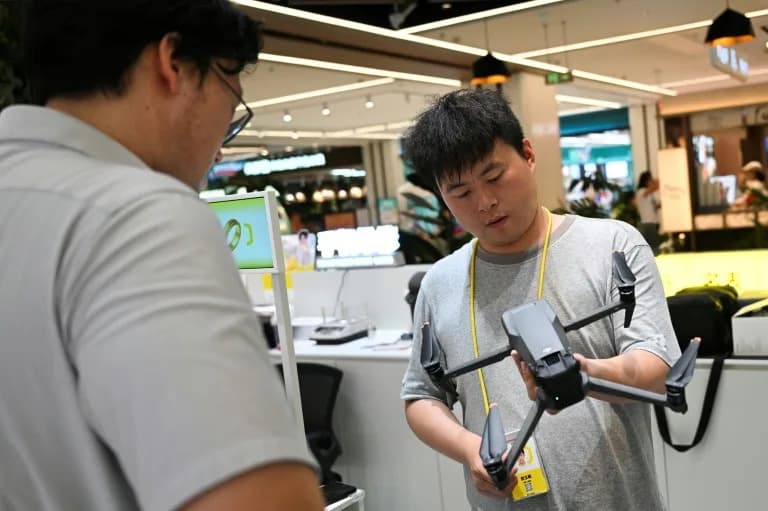
The tariffs will encourage domestic production, a White House statement said (Hector RETAMAL)
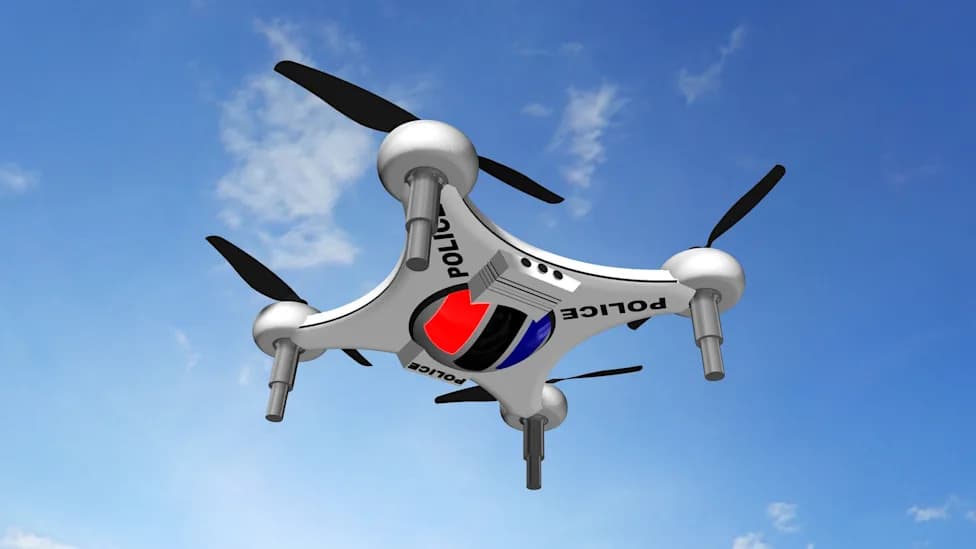
President Donald Trump on Thursday announced tariffs of up to 100% on imports of unmanned aerial vehicles (UAVs) and related components, a move the White House framed as necessary to protect national security and strengthen U.S. supply chains in a market dominated by Chinese manufacturers.
What the Tariffs Cover
A White House statement said certain unmanned aircraft systems (UAS) will face a 100% duty. Specifically, drones with a takeoff weight greater than 25 kilograms that include identified national-security capabilities—such as thermal imaging sensors or docking stations—will be subject to the top rate. Smaller models will face a 25% tariff.
Timing and Rationale
Most of the new duties are scheduled to take effect on September 3. The administration says the measures are intended to "encourage increased domestic production" of drones and components and to reduce U.S. reliance on foreign supply chains for technology it considers dual-use.
"The tariffs are really targeting industrial and commercial drones, and to a lesser degree smaller drones used by hobbyists," said Clayton Swope, a senior fellow at the Center for Strategic and International Studies.
Security Concerns and Market Context
The Federal Communications Commission (FCC) said in December 2025 that increasing domestic production would "reduce the risk of direct UAS attacks and disruptions, unauthorized surveillance, sensitive data exfiltration, and other UAS threats to the homeland." The FCC also described drones as "inherently dual-use": commercial platforms that can be adapted for surveillance or weaponization.
Market studies indicate the Chinese company DJI—founded in 2006—has captured more than two-thirds of the global consumer and commercial drone market. U.S. officials have long scrutinized DJI, alleging some of its products have been used for surveillance of ethnic minorities in China. DJI has been on a U.S. list of firms linked to China’s military since 2022 and challenged that designation in 2024.
Recent Tit-for-Tat Measures
Last week, China announced restrictions on drone exports to the United States and placed six companies on a blacklist in response to U.S. sanctions related to forced labor and national security. Earlier this month the U.S. imposed fresh tariffs affecting China and dozens of other countries. In late July 2026 the U.S. also added humanoid and quadruped robots to an import blacklist, citing national security risks in another sector where Chinese firms have a large presence.
Potential Impact
Supporters say the tariffs could spur domestic investment and reduce strategic vulnerabilities. Critics warn of higher costs for commercial and agricultural users and possible retaliation from trading partners. How quickly U.S. manufacturers can scale production of advanced drone components and how trade partners respond will shape the long-term effects.
Sources: White House statement; Federal Communications Commission; industry experts; market studies.
Help us improve.