California health officials identified 592 cases of silicosis among quartz countertop fabrication workers from January 2019 to June 2026, including 65 who required lung transplants and 31 deaths. The median age at diagnosis is 46; men account for 99% of cases and about half occurred in Los Angeles County. Engineered quartz contains over 90% crystalline silica and releases fine dust when cut. There is no cure; prevention requires strict workplace controls, and California is considering regulatory action while experts urge following Australia’s 2023 ban.
Nearly 600 Californians Sickened By Silicosis Linked To Quartz Countertops — 31 Dead, 65 Required Lung Transplants
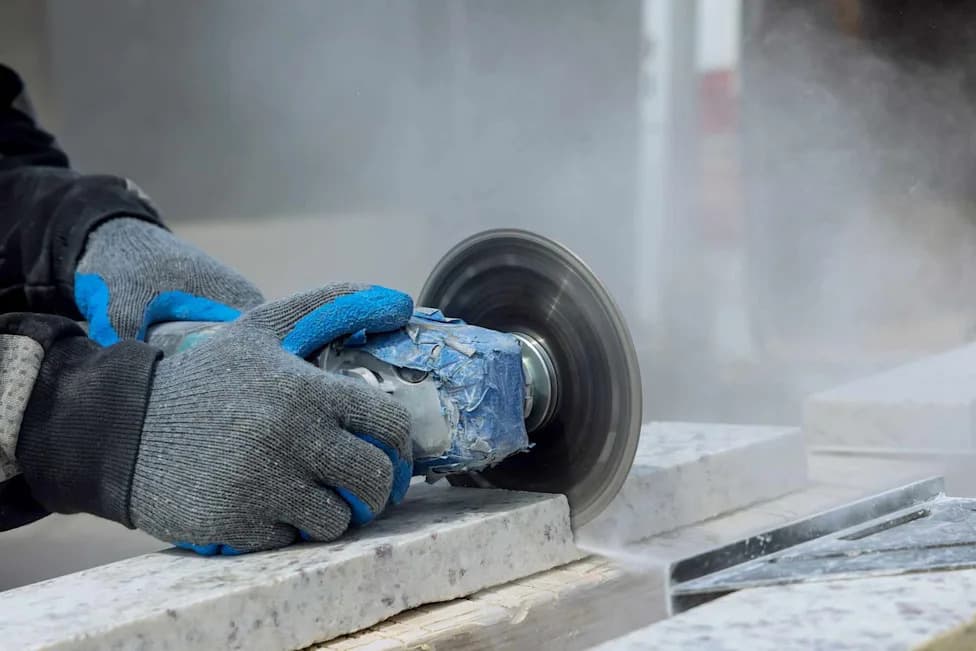
Cutting stone countertopCredit: Getty
Nearly 600 workers in California have developed silicosis after working with quartz (engineered) countertops, a new report from the California Department of Public Health published August 12 finds. Between January 2019 and June 2026, investigators identified 592 cases among fabrication workers. Of those patients, 65 required lung transplants and 31 died.
Who Is Affected?
The report found a striking demographic pattern: the median age at diagnosis is 46, and the median age at death is 52. Men account for 99% of reported cases, and about half of all cases were reported in Los Angeles County. Public health officials warn that these figures likely underrepresent the true number of affected workers because many cases go undiagnosed or are diagnosed late.
Why Quartz Countertops Are Dangerous
Quartz, often sold as engineered stone, is popular for its durability and low maintenance. However, engineered stone typically contains more than 90% crystalline silica. Cutting, grinding, or polishing releases very fine respirable silica dust that can be inhaled deep into the lungs and cause irreversible damage.
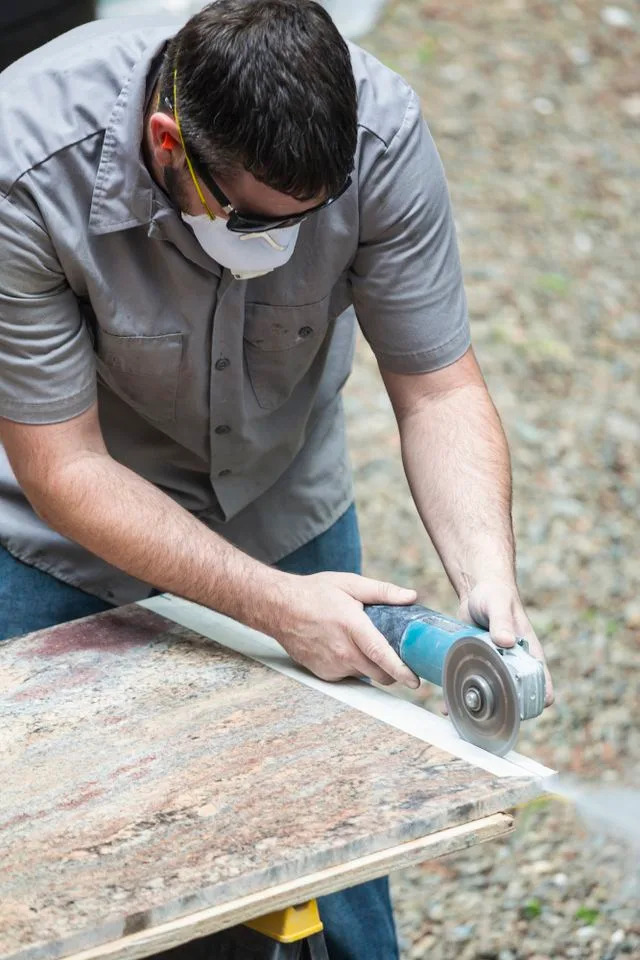
Worker cutting stone countertopCredit: Getty
About Silicosis
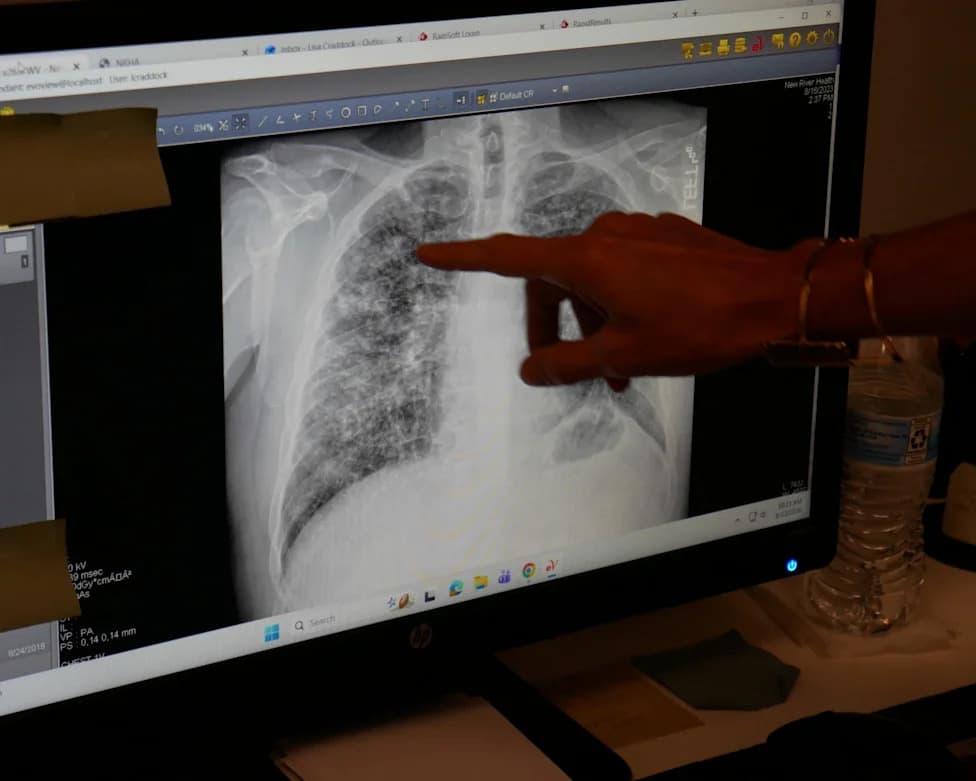
Silicosis is a chronic, potentially fatal lung disease caused by inhaling crystalline silica. There is no cure. Treatment focuses on symptom management and supportive care, which may include supplemental oxygen and medications to ease breathing. Prevention depends on controlling workplace exposure through engineering controls, wet methods, local exhaust ventilation, proper respiratory protection, and medical surveillance.
"Hundreds of workers have been sickened making quartz countertops, a product we do not need, especially when a safer alternative is available," said David Michaels, co-author of the report and professor at the George Washington University Milken Institute School of Public Health. He warned that California's diagnosed cases likely understate the national toll and urged clinicians and public health authorities to identify additional cases and act to protect workers.
Regulatory Response And International Context
California officials are considering substantial regulatory and legislative measures to better protect workers. The report's authors recommended following the example of Australia, which in 2023 enacted a ban on engineered stone to prevent further occupational silica exposure.
What Workers And Employers Should Know
Key prevention steps include using wet cutting methods, local exhaust ventilation, HEPA-equipped vacuums, respiratory protection when needed, worker training, routine medical surveillance, and limiting workers' exposure times. Employers and regulators must act now to reduce exposure and prevent additional illnesses and deaths.
Sources: California Department of Public Health report (Aug 12), Cleveland Clinic information on silicosis.
Help us improve.