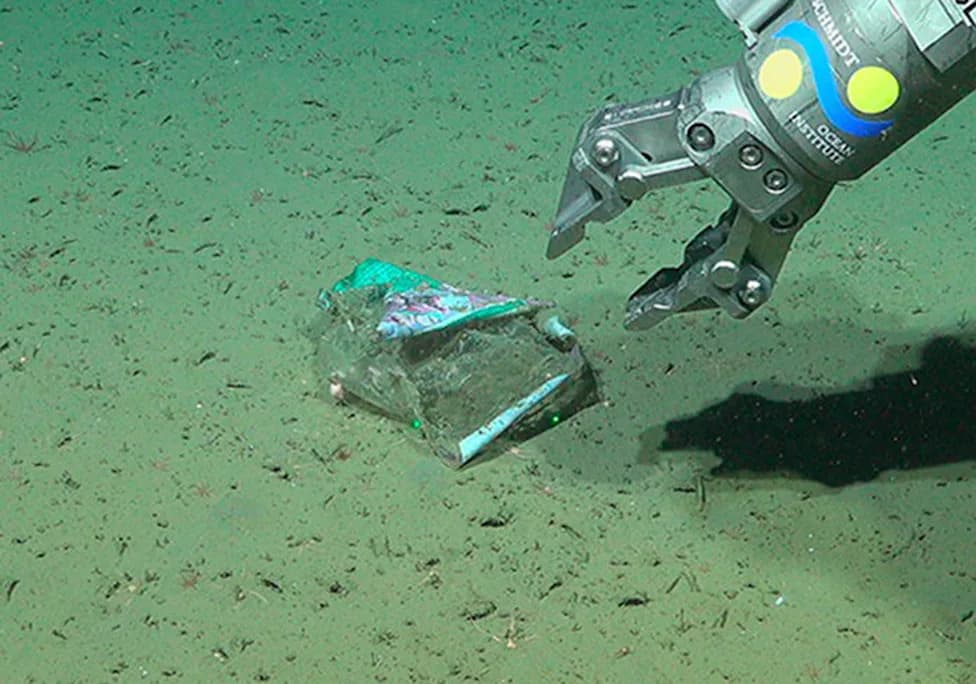
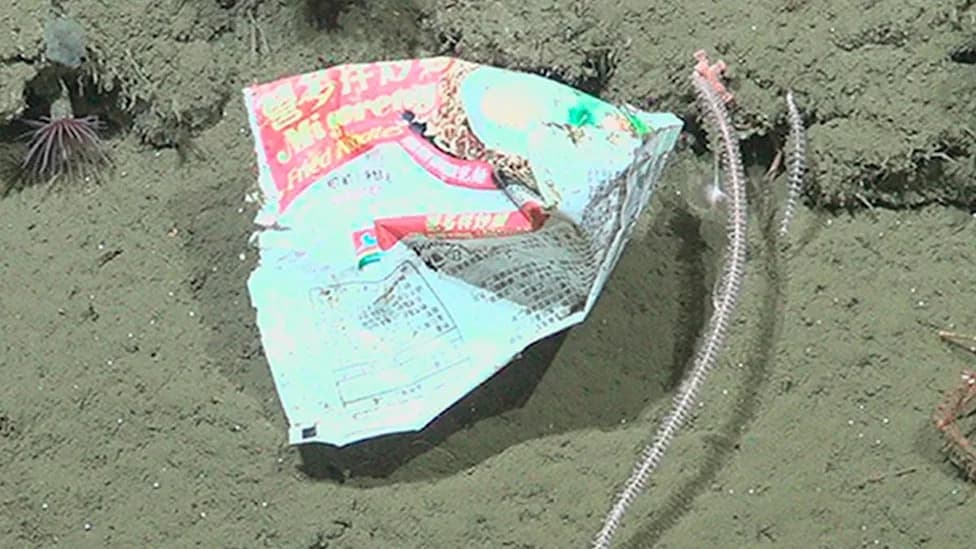
The monthlong May 27–June 28 expedition aboard Pourquoi Pas? used the submersible Nautile to inspect an old Northeast Atlantic dumping site where over 200,000 radioactive-waste barrels were discarded in the late 20th century. Scientists documented heavily corroded barrels and apparent leaks onto the seafloor nearly three miles deep and measured elevated levels of cobalt-60, niobium-94, cesium-137 and americium-241. Though widespread ecological damage has not been confirmed, teams collected extensive water, sediment and biological samples for months of laboratory testing to assess dispersion, concentration and uptake by marine life.
Corroding Radioactive Waste Barrels Found Leaking Nearly 3 Miles Deep in the Northeast Atlantic
Photo Credit: iStock
Thousands of feet beneath the Northeast Atlantic, researchers made direct observations of an old nuclear-waste dumping ground and documented corroding barrels that appear to have leaked material onto the seafloor.
What Teams Found
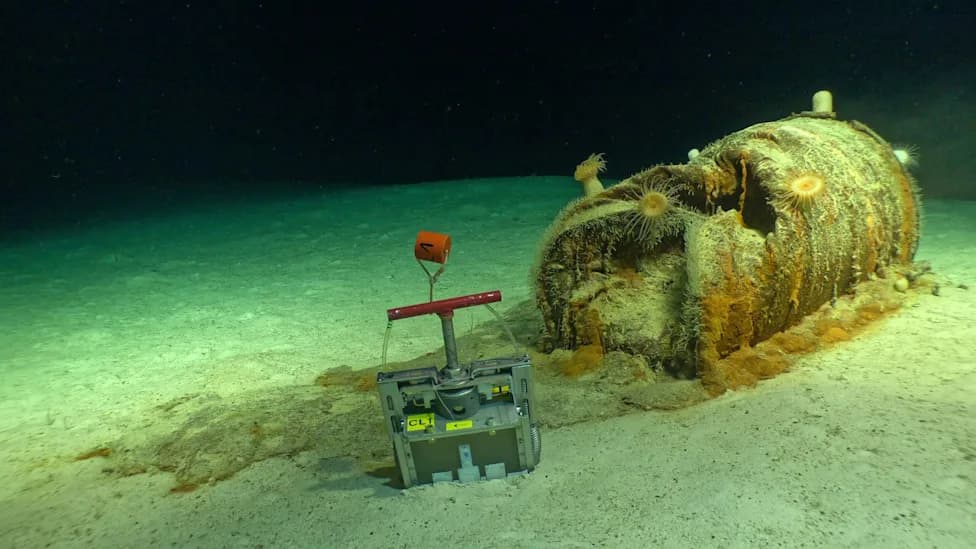
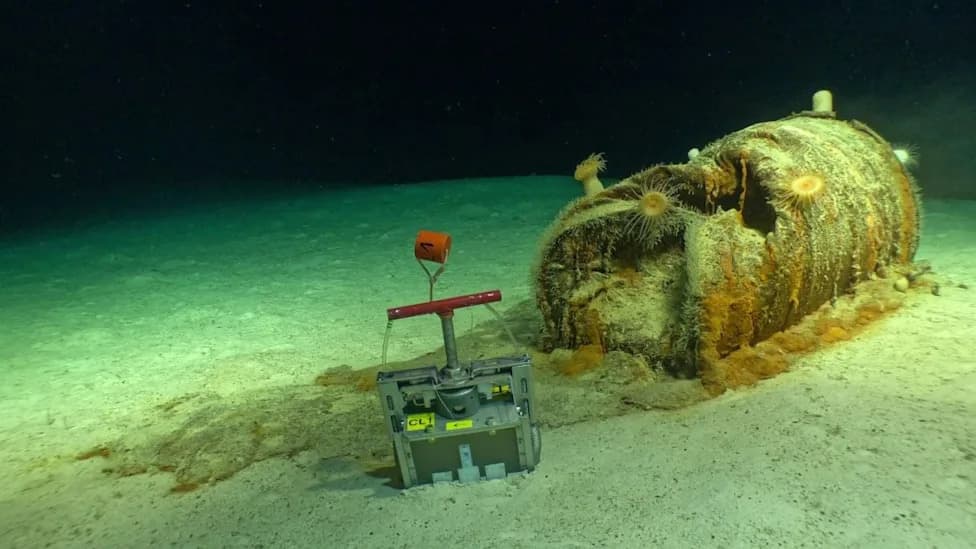
During a monthlong expedition from May 27 to June 28 aboard the research vessel Pourquoi Pas?, scientists used the human-occupied submersible Nautile for 20 dives to depths below 15,400 feet (about three miles). The team inspected heavily corroded barrels, some so deteriorated that waste-like material was visible on the surrounding muddy seabed.
Radioactive Traces and Uncertainties
On-site measurements detected elevated levels of several radionuclides above normal background for the area. Cobalt-60 and niobium-94 were flagged as especially indicative of dumped material; cesium-137 and americium-241 were also measured. Scientists cautioned that some isotopes can originate from other sources—such as past nuclear weapons testing or historical accidents—so laboratory analysis is required to attribute signals specifically to the barrels and to quantify their spread.
Life at Depth
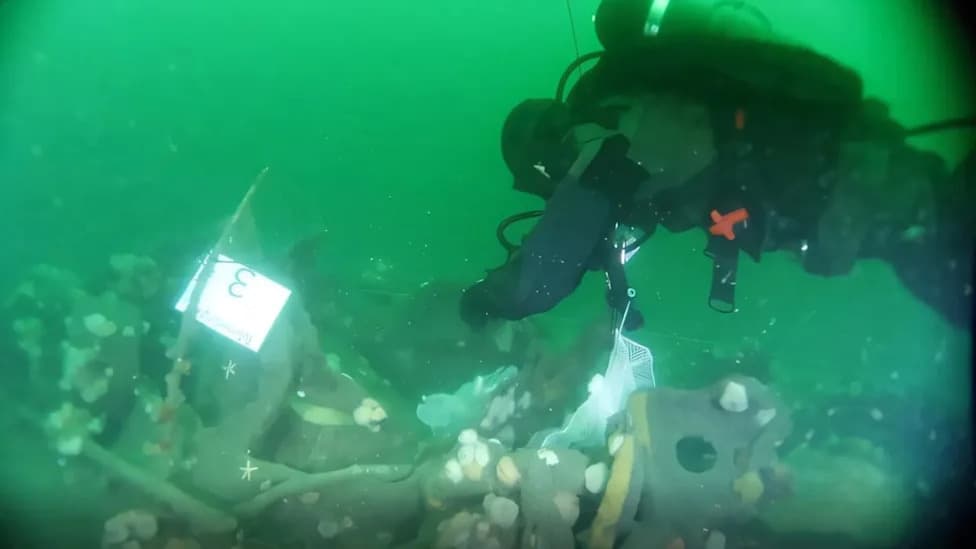
Despite the extreme depth, the site supported marine life. Researchers observed crabs, sponges, anemones and other organisms on and around the barrels, which now act as hard substrates on an otherwise soft seafloor. The key ecological questions are whether deep-sea organisms are taking up radionuclides and whether contaminants are moving through sediments and water in ecologically meaningful quantities.
Sampling and Next Steps
The expedition built on a 2025 mapping effort that identified 3,355 containers in the survey area and informed targeted dives. Teams collected water, sediment, biological and microbial samples from around the barrels and from nearby reference habitats to compare impacted and natural sites. The 2025 campaign previously gathered 1,321 gallons of sampled water, 345 sediment cores and 34 fish and crustacean specimens.
Months of laboratory testing now lie ahead to determine how far radionuclides have dispersed, their concentrations, and whether marine organisms are incorporating them into tissues. Results from those analyses will be necessary to produce a robust ecological risk assessment.
Wider Context
More than 200,000 barrels of radioactive waste were discarded in this region of the Northeast Atlantic over the latter half of the 20th century. The findings underscore the long-term legacy of nuclear technology: while nuclear power can provide low-carbon electricity, it generates waste that requires careful, multi-decade management. This project also supports the OSPAR Commission’s efforts to protect the Northeast Atlantic and to improve understanding of historic dumping sites used by several European countries.
Note: Current observations confirm leakage from some containers but do not yet provide a final assessment of ecological harm. Ongoing lab analyses will clarify the environmental implications.
Help us improve.