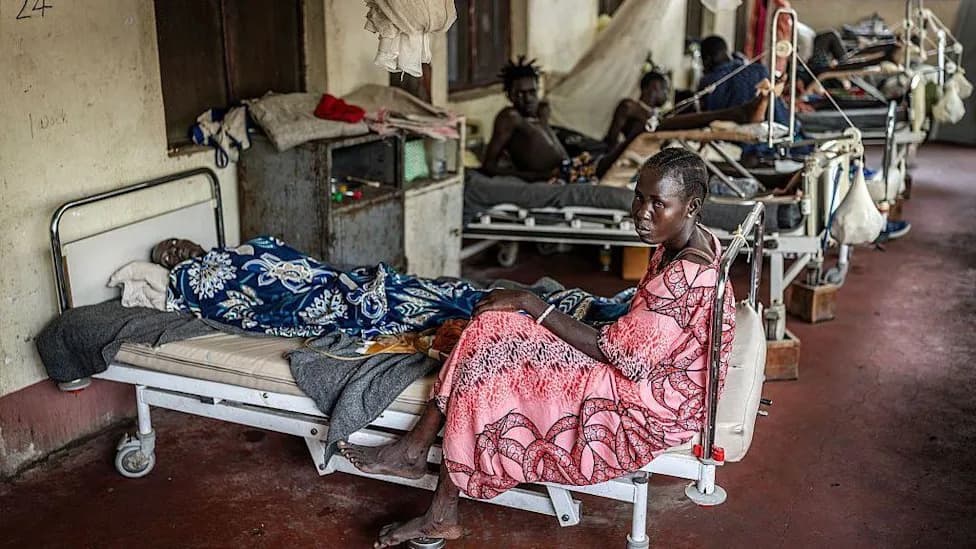
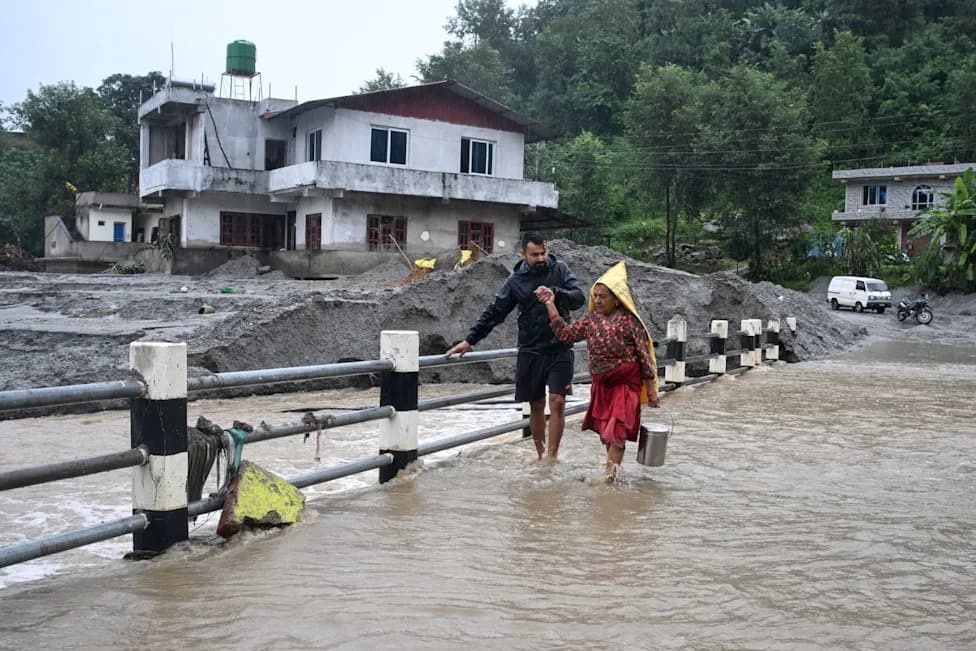
U.S. foreign-aid reductions that disrupted a five-year maternal and child health program in Nepal coincided with reduced prenatal visits, halted nutrition support and a return of neonatal deaths in parts of Rautahat district. Community health volunteers and small, low-cost interventions — once central to timely detection and treatment of complications — were withdrawn, leaving many pregnant women without guidance. Local health workers and NGOs warn the cuts risk reversing decades of progress in child survival.
When Aid Workers Left Nepal: How U.S. Funding Cuts Are Tied to Rising Maternal and Newborn Deaths
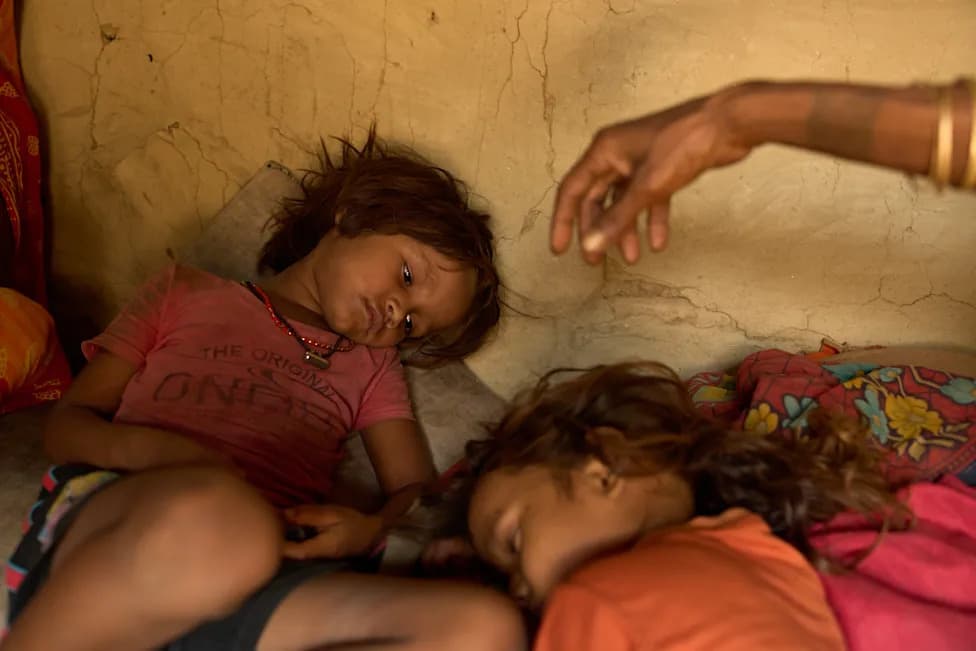
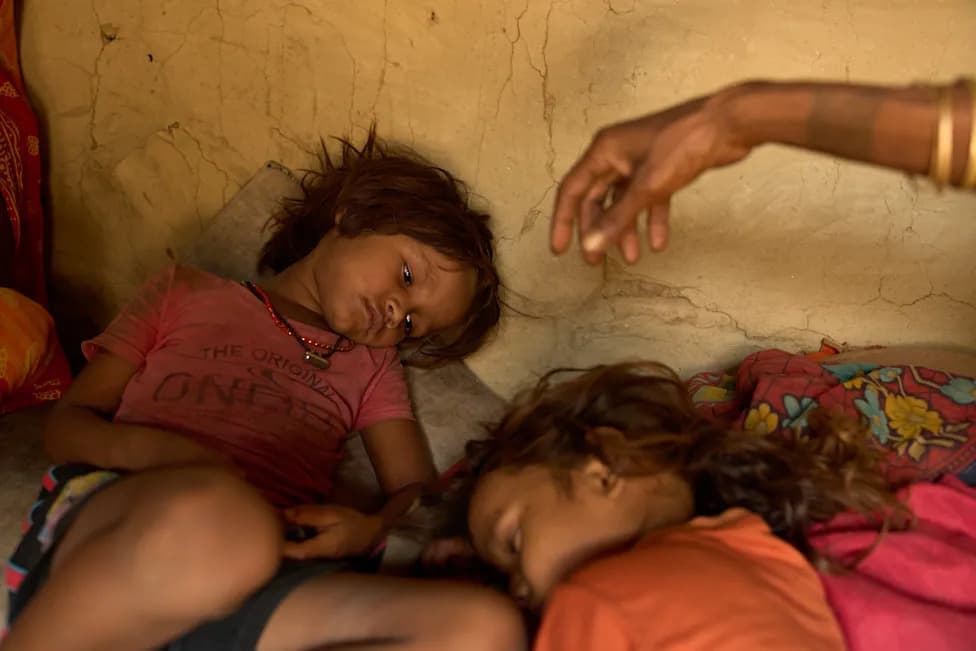
Sonam Mukhiya, left, lies next to her 3-year-old brother, Yubraj Mukhiya, and their grandmother in their home in Gaur, Nepal, on May 19, 2026. Their mother, Kabita Mukhiya, died in December while 28-weeks pregnant amid disruptions to nutrition programs and reproductive outreach services following last year's foreign aid cuts by the United States. (AP Photo/Bram Janssen)(AP Photo/Bram Janssen)
GAUR, Nepal — In a mud-walled home in rural Nepal, Kabita Mukhiya's breathing had grown shallow and ragged as severe pain tore through her swollen abdomen. For weeks she suffered at home because the outreach workers who once visited her village to identify pregnancy complications and escort women to care had stopped coming after U.S. foreign-aid reductions shuttered a program meant to protect mothers and newborns.
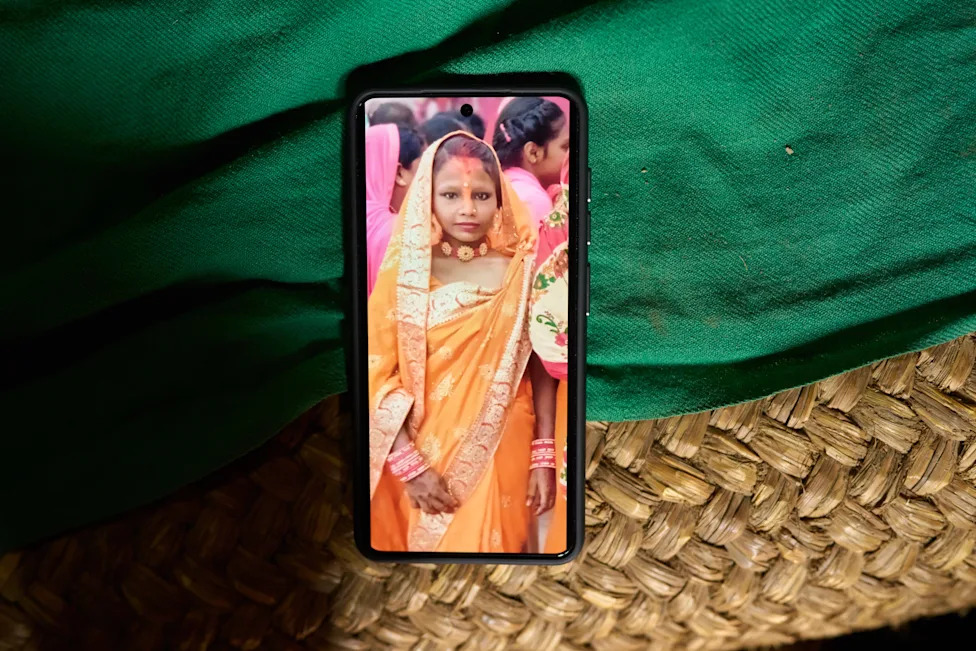
A photo of Kabita Mukhiya, who died during pregnancy, is displayed on a phone on May 19, 2026, in Gaur, Nepal. (AP Photo/Bram Janssen)(AP Photo/Bram Janssen)
The Human Cost: Kabita's Story
Kabita, impoverished and without formal education, did not recognize that she was in an obstetric emergency. When her aunt finally brought her to a hospital, doctors confirmed the worst: the fetal heartbeat was gone. Medical staff soon discovered that Kabita was gravely ill with eclampsia, a severe complication of pregnancy often preceded by treatable high blood pressure and anemia. The hospital could not stabilize her in time; both mother and baby died.
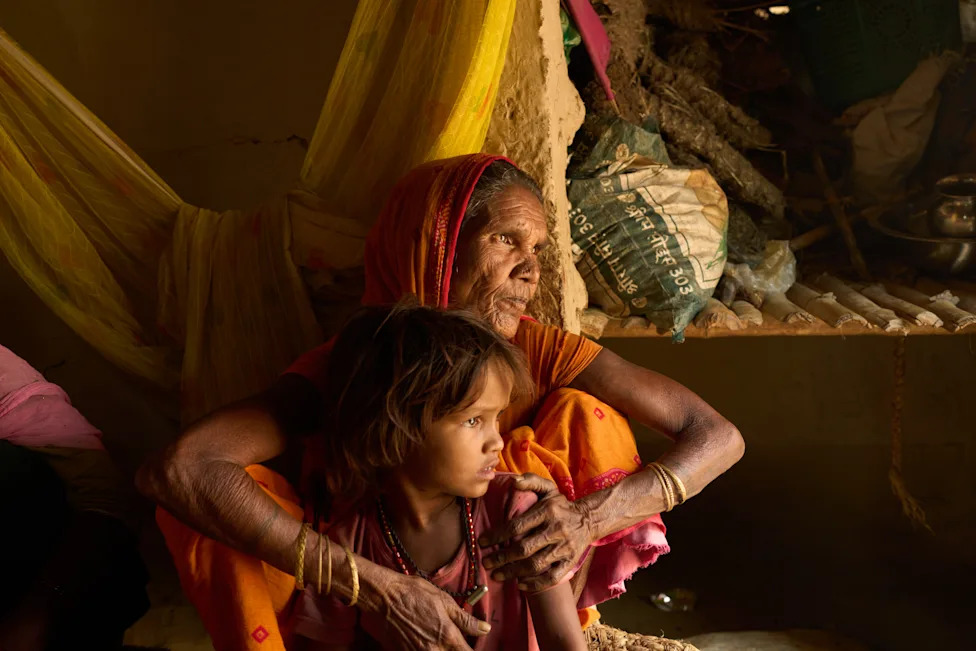
Lachhiya Devi sits with her 5-year-old granddaughter, Sonam Mukhiya, in her home in Gaur, Nepal, on May 19, 2026. Sonam's mother, Kabita Mukhiya, died in December while 28-weeks pregnant amid disruptions to nutrition programs and reproductive outreach services following last year's foreign aid cuts by the United States. (AP Photo/Bram Janssen)(AP Photo/Bram Janssen)
'Please save the baby,' Kabita begged in her last hours, according to relatives. 'Please save me.'
What Changed: Aid Cuts and Program Closures
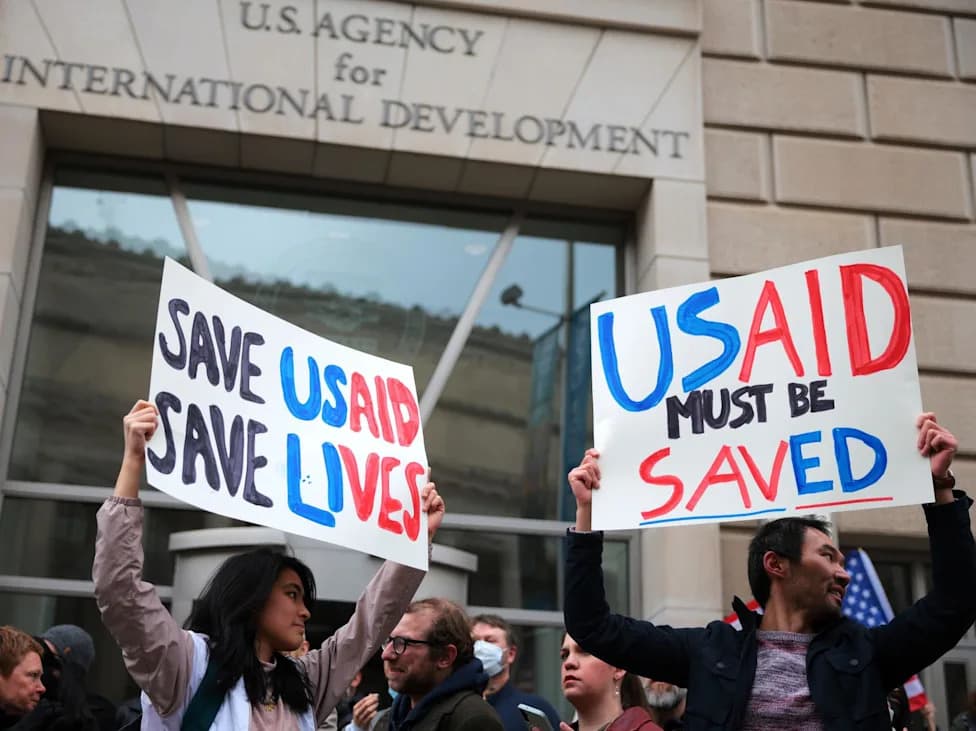
Critics say the Trump administration's decision to reorganize and reduce U.S. global health funding — including moves that effectively ended a five-year, $35 million maternal and child health program in Nepal — left many communities without the simple, lifesaving services they had relied on. That program had equipped birthing centers, supplied nutrition supplements, and trained nurses, midwives and female community health volunteers who made regular home visits.
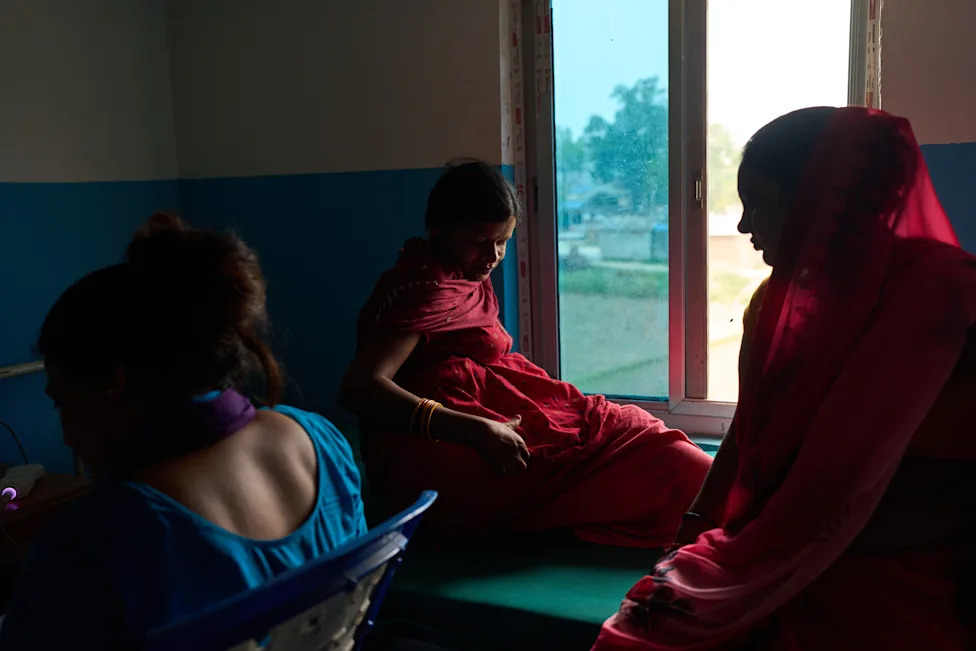
Nitu Devi, 22, who is pregnant, sits on a bed before an ultrasound inside a clinic in Gaur, Nepal, on May 20, 2026. (AP Photo/Bram Janssen)(AP Photo/Bram Janssen)
The Associated Press, reporting with support from the Pulitzer Center, documents how the withdrawal of those services in parts of Nepal coincided with rising pregnancy complications and newborn deaths. The World Health Organization says roughly 60% of women's organizations reduced services after aid reductions. A study published in The Lancet projected that reduced health funding could be associated with millions of additional deaths globally by 2030.
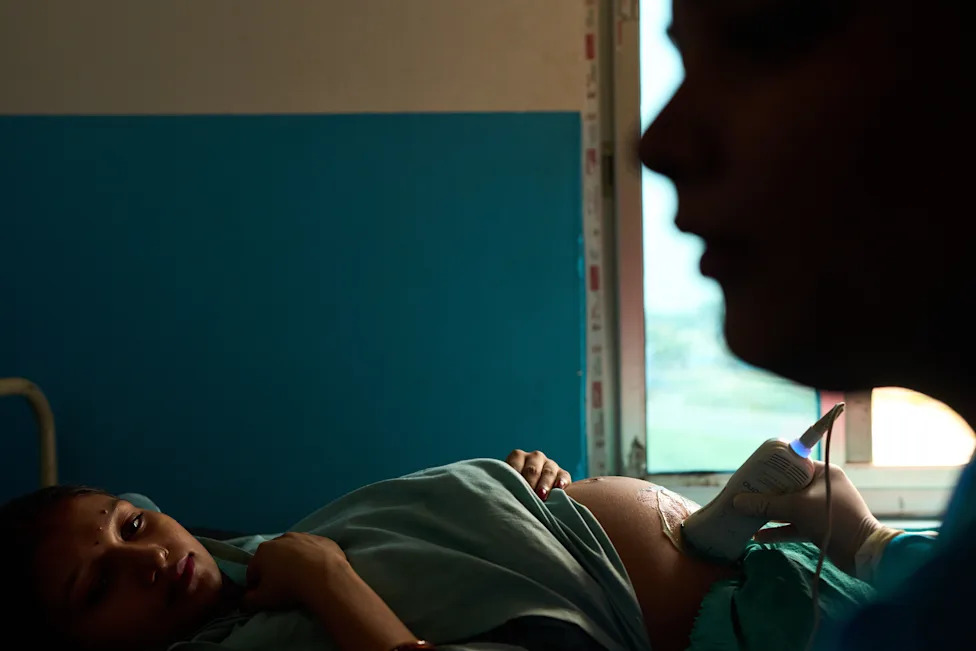
Anita Gupta, 20, receives an ultrasound in Gaur, Nepal, on May 20, 2026. (AP Photo/Bram Janssen)(AP Photo/Bram Janssen)
Local Impacts: Rautahat District
Rautahat, one of Nepal's poorest and least-literate districts and the home of Kabita's family, provides a stark example. Officials at the Dewahi Gonahi birthing center report prenatal visits have fallen by about half since the funding ended. In Prempur Gonahi, local records indicate that neonatal deaths, which had dropped to zero during the program's first years, reappeared within roughly 10 months of its cancellation.
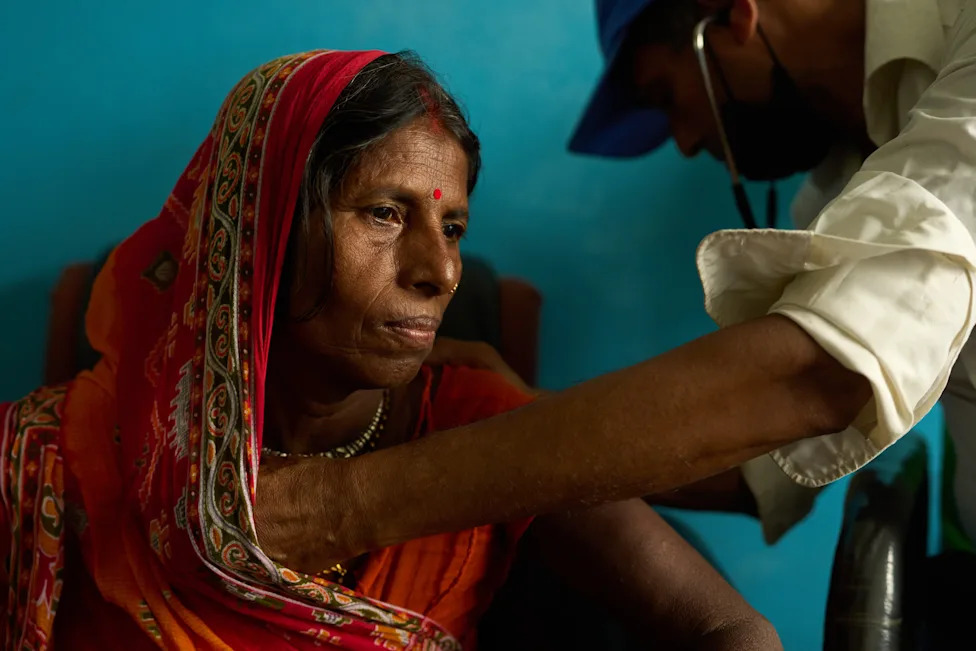
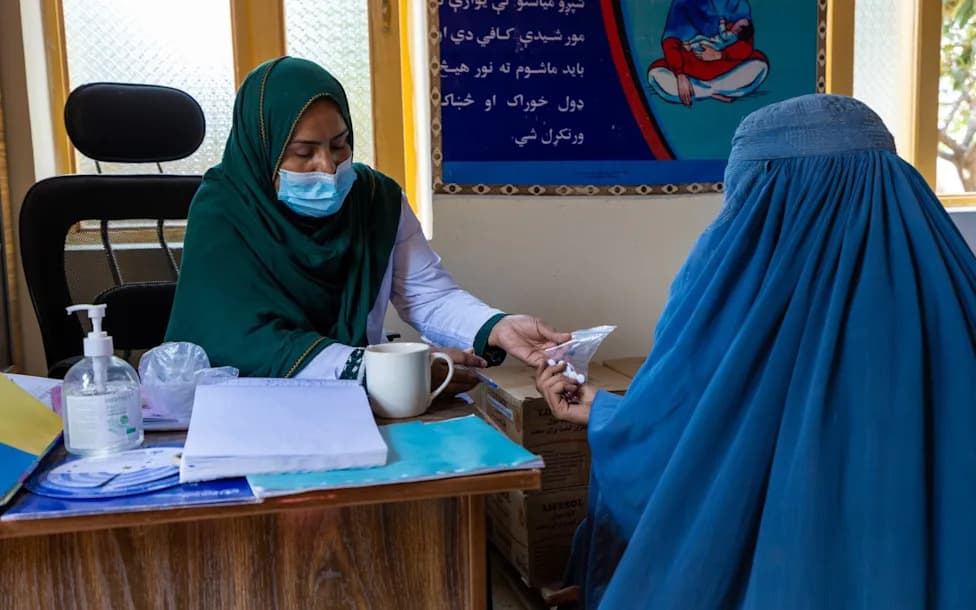
A woman receives an examination from a doctor inside a clinic in Gaur, Nepal, on May 20, 2026. (AP Photo/Bram Janssen)(AP Photo/Bram Janssen)
Health workers and local aid groups say the funding cuts also halted distribution of fortified nutritional supplements for pregnant women and young children. Surveys cited by government and humanitarian agencies show wasting among children under 5 in the province rose from 7.4% to 12.3% after those programs were suspended.
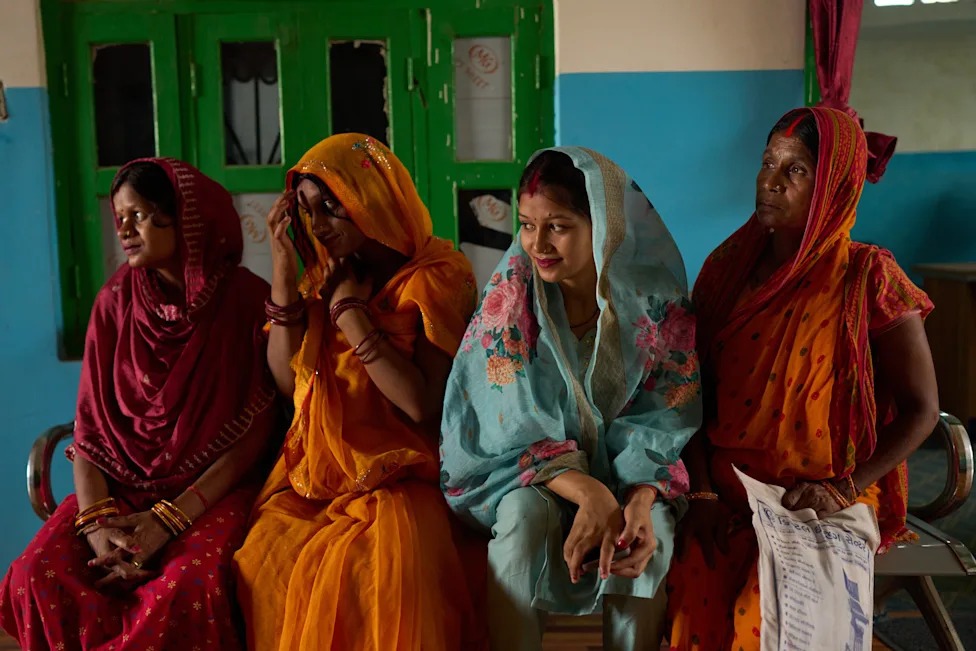
Pregnant women wait for an ultrasound inside a clinic in Gaur, Nepal, on May 20, 2026. (AP Photo/Bram Janssen)(AP Photo/Bram Janssen)
Why Small, Low-Cost Interventions Matter
Maternal and child health programs often rely on inexpensive, high-impact interventions: fortified peanut paste that can reverse severe malnutrition in weeks; clean delivery kits that reduce infection; routine prenatal visits that detect high blood pressure, anemia and fetal distress early. Community health volunteers served as mediators with families, explained warning signs and escorted women to clinics — roles that filled gaps between families and formal health systems.
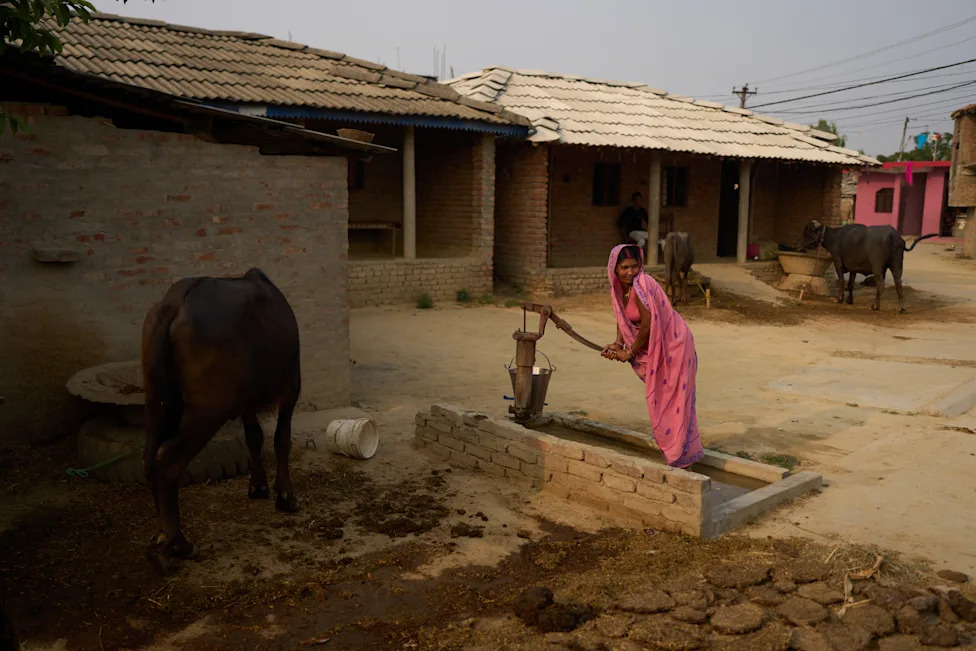
A woman collects water from a well in Gaur, Nepal, on May 19, 2026. (AP Photo/Bram Janssen)(AP Photo/Bram Janssen)
Data Gaps and Invisible Losses
The withdrawal of funding also affected mortality reporting. In some municipalities, data collectors lost their jobs, and official records now undercount deaths. Local organizations report more deaths than government figures reflect, making the full human toll difficult to track.
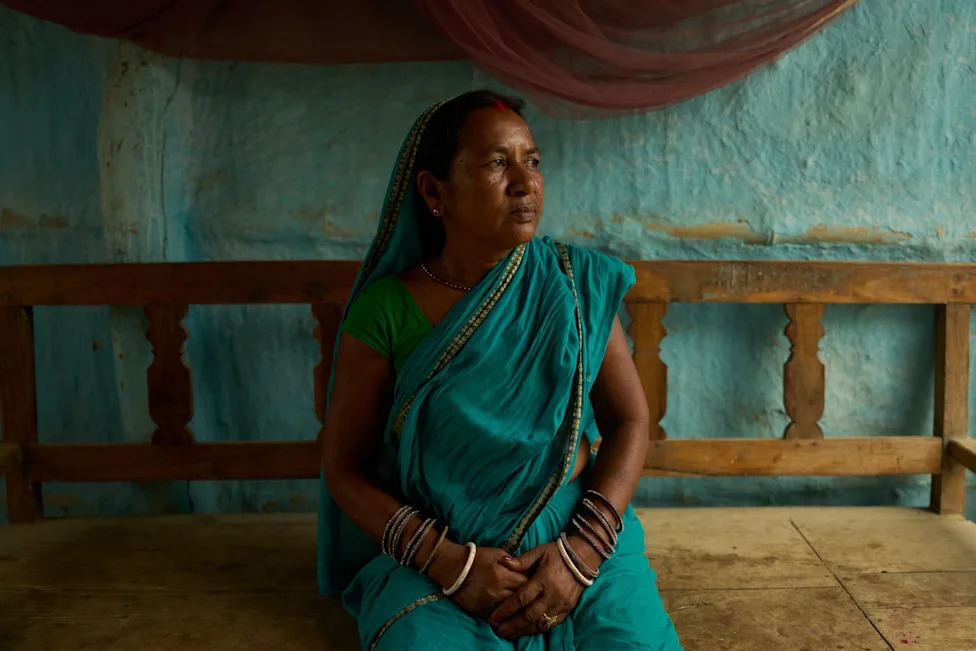
Rajkumari Patel, a community health worker trained to ensure impoverished pregnant women in rural Nepal receive timely prenatal care, poses for a portrait in her home in Gaur, Nepal, on May 20, 2026. (AP Photo/Bram Janssen)(AP Photo/Bram Janssen)
Voices on the Ground and From Experts
'It's heartbreaking to see what's happening. It's decades of progress being washed away,' says Rajat Khosla, executive director of WHO's Partnership for Maternal, Newborn and Child Health. CARE Nepal's country director, Mona Sherpa, says delivery-related deaths among young mothers have risen sharply in months, not years, after funding was cut.
In response, the U.S. State Department said the administration refocused assistance to prioritize 'efficiency, effectiveness and partnership' and that the United States still provides more health and humanitarian aid than any other country, including continued programs in Nepal.
Aftermath for Families
The loss of Kabita has left her three young children in the care of elderly relatives who worry about feeding and schooling them. Neighbors and outreach volunteers say many more families face similar, precarious futures when mothers die or babies are stillborn. Community health workers — when present — often say they could have recognized the signs and intervened early.
Conclusion
Local health workers, aid organizations and families in Nepal say that cuts to maternal and child health programs have already had measurable consequences: fewer prenatal visits, interruptions to nutrition support and a reappearance of neonatal deaths in places where interventions had temporarily driven them down. The full national and global impact will take time to measure, but the stories from villages such as those in Rautahat underscore how fragile progress in maternal and child health can be when the safety net of outreach and low-cost services is removed.
This report was funded by a grant from the Pulitzer Center. The Associated Press is responsible for all content. Journalist Tulsi Rauniyar contributed reporting.
Help us improve.