Germany is embroiled in a policy dispute after a heat wave exposed sandbanks and disrupted shipping on the Rhine, Danube and Elbe. Transport Minister Steffen Bilger favors dredging, deeper channels and low-draft vessels plus a temporary lift of Sunday trucking bans to relieve freight flows. Environment Minister Carsten Schneider and conservation groups argue for restoring meanders and floodplains to retain water and protect habitats. The clash highlights tensions between short-term economic fixes and long-term climate adaptation.
Germany's Dry Rivers: Dredge, Engineer or Restore? A High-Stakes Policy Clash
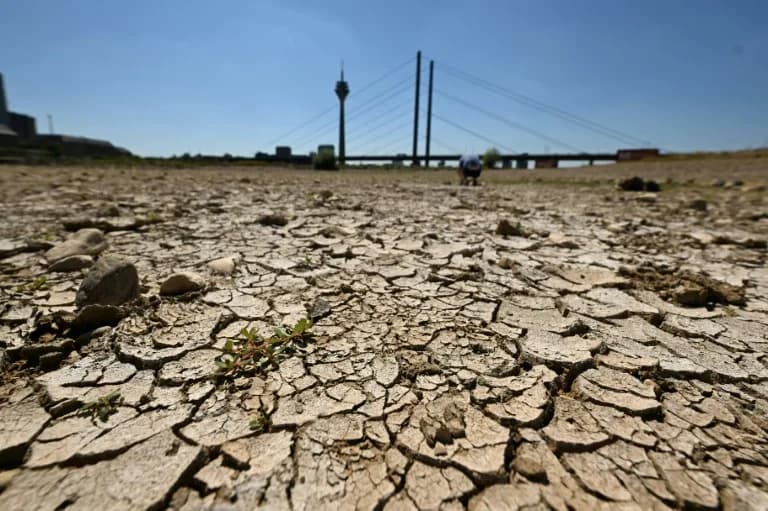
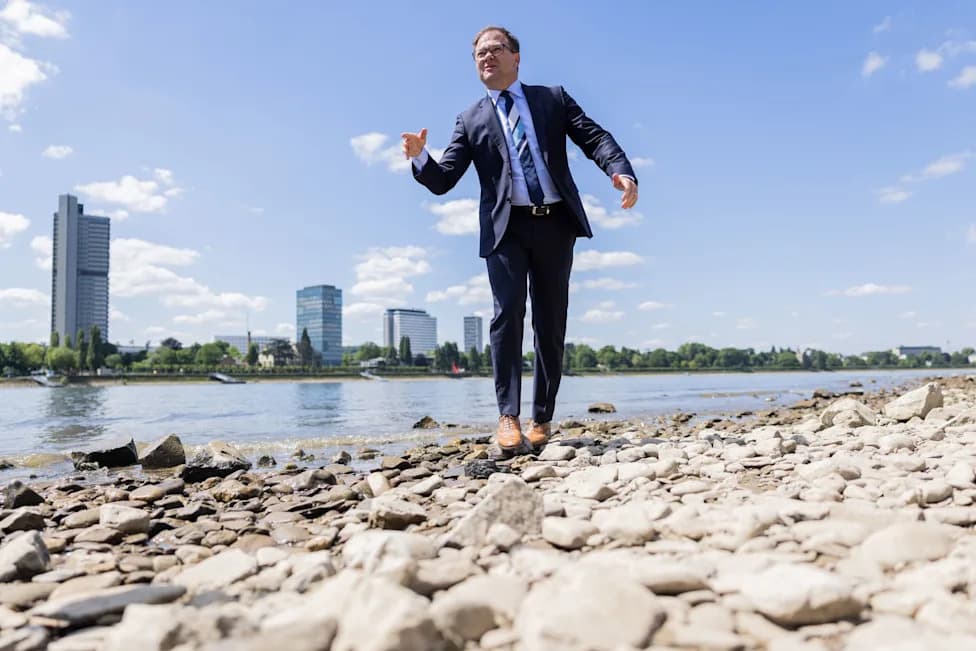
The partially dried-up river bed of the Rhine in Duesseldorf, western Germany, on July 28 (Ina FASSBENDER)
A summer heat wave has pushed Germany's rivers to unusually low levels, exposing vast sandbanks on the Rhine, Danube and Elbe and disrupting cargo shipping that many industries depend on.
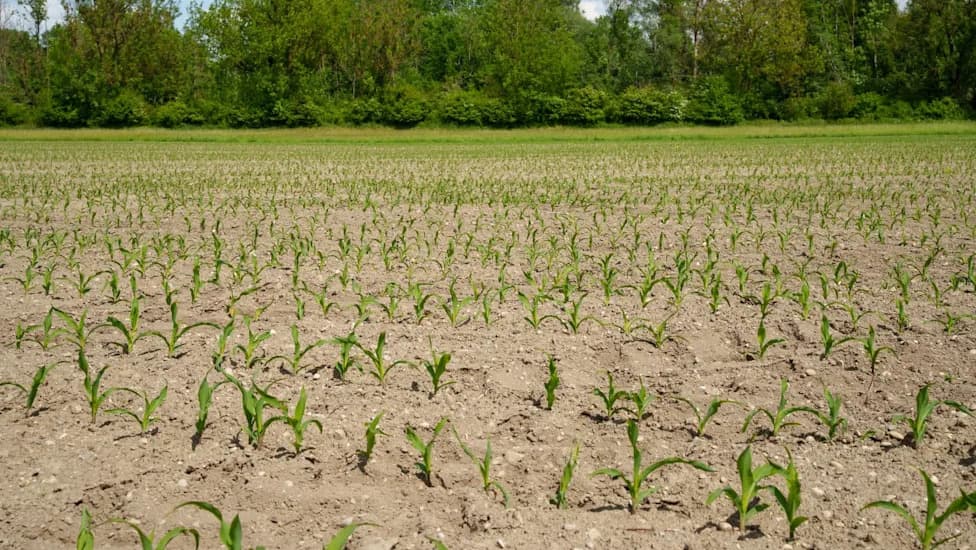
With climate change driving hotter summers and longer dry spells across Europe, scientists warn such low-water episodes are likely to become more frequent and severe, forcing policymakers to choose between short-term engineering fixes and longer-term ecological restoration.
Immediate Measures and Transport Ministry Plan
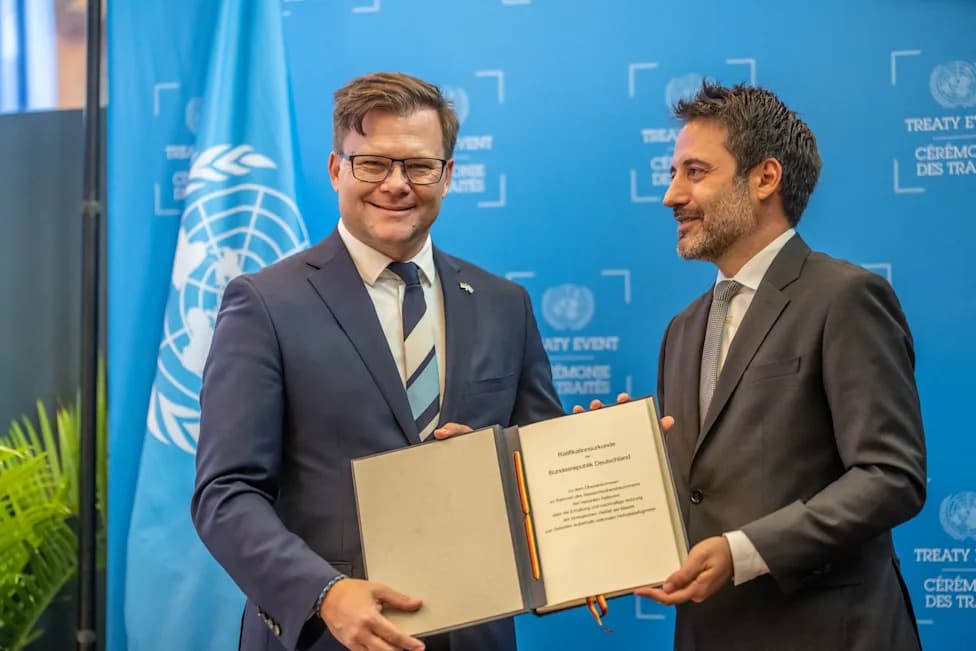
Transport Minister Steffen Bilger convened a crisis summit with shipping companies, port operators and logistics firms to discuss the strain on Europe’s largest economy. As an immediate step, he announced a temporary lifting of the ban on truck transport on Sundays and public holidays in most German states to ease cargo bottlenecks.
Bilger also urged deeper navigation channels and the development of a new generation of low-draft vessels to keep goods moving during low-water periods. "We must make our waterways more efficient while simultaneously making ships suitable for times of low water," he said after talks with state transport ministers, adding that expansion projects would proceed with environmental protection "kept firmly in mind."
Restoration Advocates and Environmental Concerns
Environment Minister Carsten Schneider of the SPD proposed a contrasting approach that emphasizes restoring rivers to more natural states: returning meanders, reconnecting floodplains and retaining water in the landscape. "In past centuries, Germany was a land rich in water," Schneider said, calling for a rethink of river management now that water has become scarcer.
"We should move toward natural rivers featuring meandering branches and floodplains that retain water across the landscape," Schneider said.
Environmental groups have backed Schneider and warned against dredging. Beatrice Claus of WWF argued that widening and straightening waterways can accelerate the flow of water to the North Sea and Baltic Sea rather than retaining it locally. Critics also note that dredging is only a temporary fix because rivers continually deposit new sediment, and that bank fortifications destroy shallow habitats and floodplains that act as natural sponges.
"Dredging rivers creates the illusion of taking action," said Olaf Bandt, head of BUND.
Practical Trade-Offs and Political Fallout
Shifting freight from waterways to roads carries climate and capacity implications: Thomas Puls of the German Economic Institute warned it takes at least about 150 trucks to replace one inland waterway vessel, so the temporary lifting of Sunday driving bans is unlikely to fully offset shipping losses.
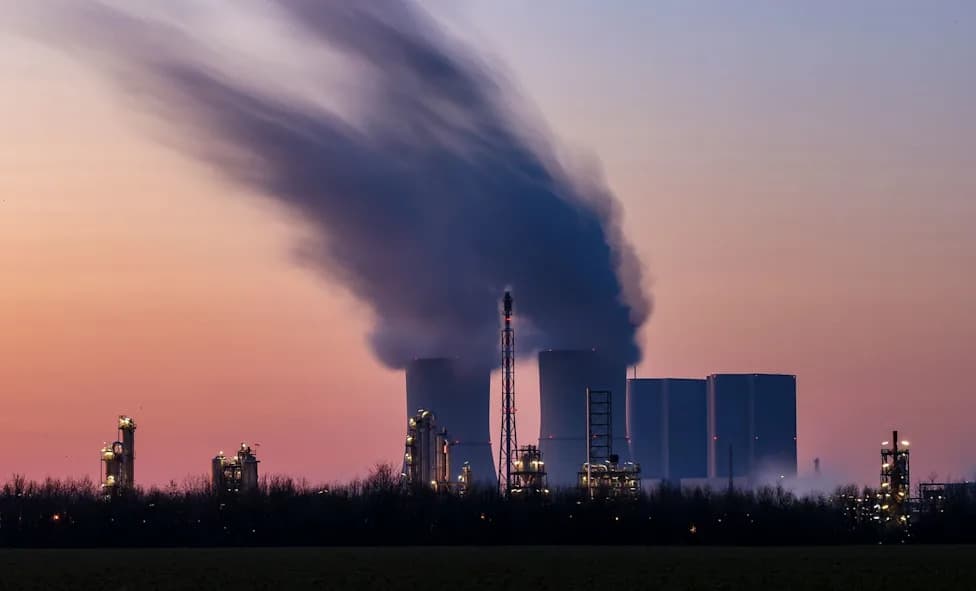
Opposition Greens leader Felix Banaszak accused the government of ignoring the underlying cause — the climate crisis — and of applying short-term fixes rather than tackling emissions and long-term adaptation.
What's at stake
- Economic resilience of river-based freight and industries that rely on inland shipping.
- Long-term water retention, biodiversity and the health of river ecosystems.
- Trade-offs between rapid engineering responses and nature-based, climate-adaptive approaches.
The debate underscores a broader dilemma for Germany and other river-dependent economies: how to balance urgent logistical needs with sustainable, climate-resilient river management.
Help us improve.